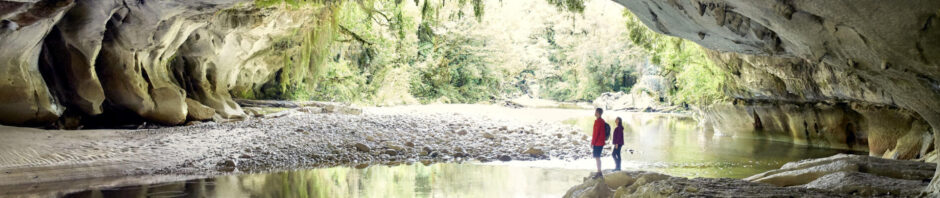
The Buller region sits on the northern West Coast of the South Island, shaped by sea, river, forest, and distance. It stretches from the exposed coast around Cape Foulwind, inland through the Buller Gorge, across to Reefton, and north again to the remote coastal settlement of Karamea.
This is not a single destination. It’s a set of choices, linked by long roads and strong geography.
How people arrive
Arrival in the Buller is part of the experience:
- Long drives through forested gorges
- Coastal roads exposed to weather
- Clear transitions between settlements
People tend to arrive deliberately, but once there, recreation often happens in short, accessible bursts rather than epic journeys.
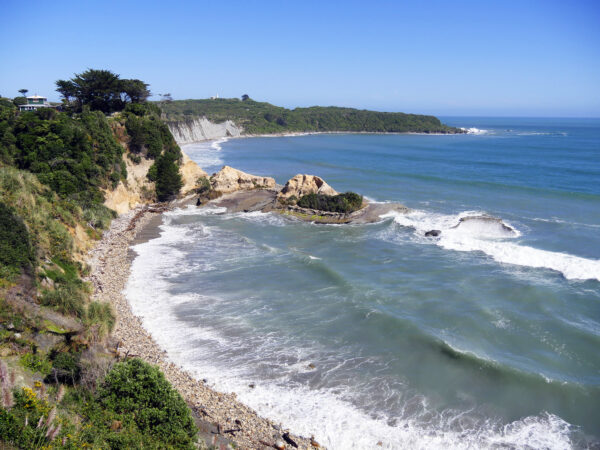
Cape Foulwind: Edge of land and sea
Cape Foulwind is one of the West Coast’s most immediately accessible places:
- Short coastal walks on formed tracks
- Wildlife viewing, particularly seals
- Photography in changing light and weather
- Brief stops rather than long stays
The headland offers a sense of exposure and power without requiring commitment or distance.
Why it works
- Easy access from the road
- Clear, maintained tracks
- Strong sense of place in a short visit
It shows how high-impact landscapes can still support everyday recreation.
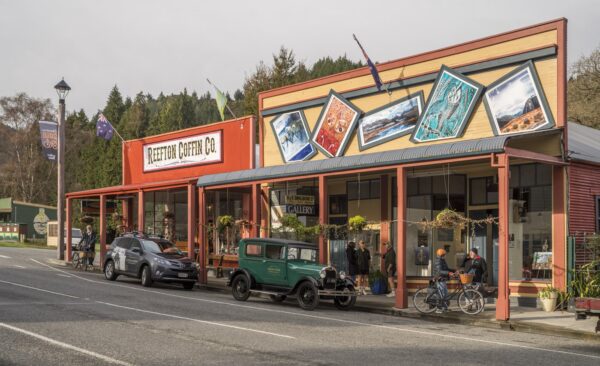
Reefton: Inland calm and connection
Reefton offers a very different pace:
- Walking along rivers and town edges
- Cycling on quiet roads and trails
- Swimming in nearby rivers during summer
- Picnics, fishing, and local exploration
It functions as a base, not a spectacle.
Why it matters
Reefton shows how small towns anchor recreation:
- Familiar routes
- Repeat visits
- Local knowledge passed quietly
Access here is less about facilities and more about continuity and trust.
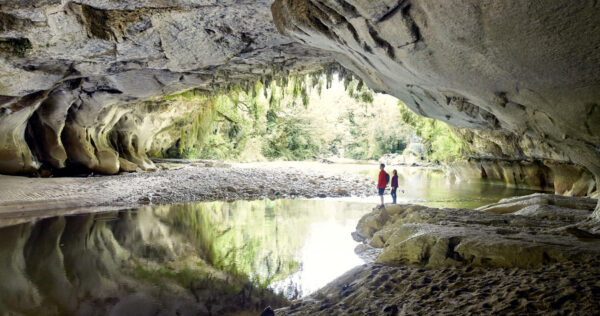
Karamea: Distance, reward, and return
Karamea feels remote, but once reached, recreation is often modest:
- Coastal and river walks
- Beach wandering and rock pooling
- Bird watching in forest and estuary
- Camping and quiet overnight stays
Many people come a long way to do simple things, repeatedly.
What defines it
- Long access road
- Strong sense of arrival
- Limited services
- Deep calm once there
Karamea reminds visitors that remoteness doesn’t require intensity.
A landscape shaped by weather
Across the Buller, weather plays a central role:
- Wind on the coast
- Rain in the ranges
- Rapid river changes
- Light that shifts quickly
Recreation here is responsive rather than scheduled. People adapt plans daily, sometimes hourly.
Access and continuity
Recreation across the Buller relies on:
- Open roads and maintained links
- Public coastal and river access
- Small carparks and track entrances
- Trust that places remain usable
When access is lost or broken, alternatives are often far away, not just inconvenient.
Who this place is for
The Buller suits:
- People comfortable with distance
- Those who value quiet over facilities
- Families and couples travelling slowly
- Visitors who enjoy returning to the same places
It is not about ticking off highlights. It is about settling into a region, even briefly.
Why the Buller belongs in the Places series
The Buller demonstrates that:
- Regions can hold many different kinds of recreation
- Accessibility is not the same as proximity
- Simple activities gain depth when space and weather are allowed to lead
It balances exposure and calm, coast and forest, arrival and repetition.
Editorial note
The Buller pairs naturally with Activities such as:
- Walking (short & medium)
- Outdoor photography
- Beach wandering & rock pooling
- Camping & caravanning
- Bird watching
It is a reminder that places don’t need to be intense to be meaningful - they need to be reachable, usable, and allowed to remain quiet.