But, a Local Symptom of a National Water-Management Issue
Guest Post by Dave Rhodes
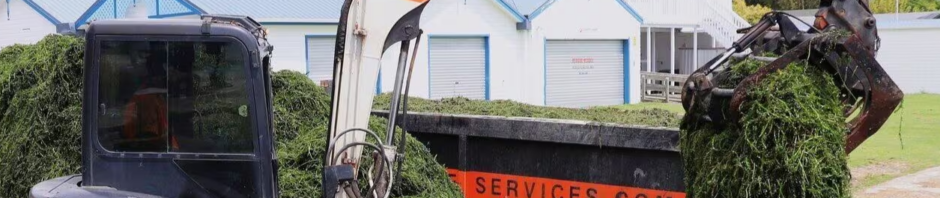
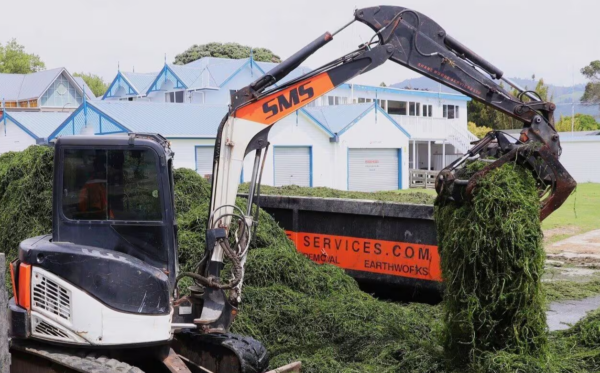
Heavy rainfall late last year dislodged vast amounts of lake weed in Lake Rotorua, leaving about 780 tonnes of invasive aquatic plants washed up along the foreshore. The subsequent clean-up - which took three weeks rather than the expected ten days - cost the local Bay of Plenty and Rotorua councils over $133,000 in direct expenses. A formal review of funding is now underway as local leaders press the Government for a more equitable, longer-term solution.
This is not simply a Rotorua problem. It reflects a broader gap in how New Zealand funds, manages and prioritises freshwater quality, ecology and recreational amenity across the country.
What happened at Lake Rotorua?
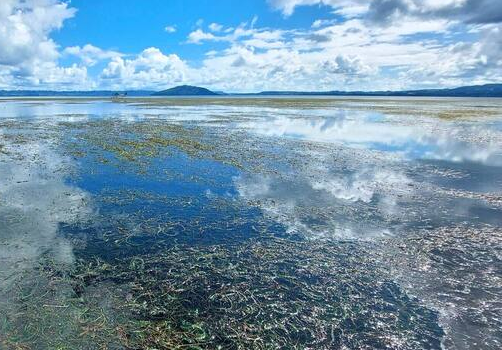
Lake Rotorua has a large bed of invasive aquatic weeds beneath the surface, grown over decades due to nutrient enrichment from surrounding land uses and the lake’s naturally slow turnover. Strong winds and storm-driven currents can detach these weed beds, sending tonnes of plant matter to shore, where it decomposes, smells, and depresses oxygen levels - in this case killing fish and disrupting local businesses and recreation.
Although Land Information New Zealand (LINZ) has contributed to funding - including **$350,000 this season for Te Arawa lakes weed control and larger allocations to southern lakes - local leaders say this level is insufficient and inequitable compared to other regions.
Rotorua’s Mayor has described the disparity in funding as “grossly unfair” and stressed that councils, iwi and local communities have spent years developing solutions that still lack consistent backing.
This matters for outdoor recreation and communities
Lakeweed wash-ups affect more than just aesthetics:
- Recreational access: People avoid lakes that are smelly, unsafe, or visually unappealing - especially when cleaning takes weeks.
- Local economies: Rotorua’s lakefront is a magnet for visitors. Water quality issues harm businesses that rely on tourism.
- Public health and wellbeing: If weed wash-ups are frequent, people lose confidence in water-based activities such as swimming, paddling and family gatherings.
Outdoor recreation thrives on positive experiences and confidence in the environment’s usability. When people repeatedly encounter foul conditions or closures, participation drops - even if legal access remains unchanged.
A recurring issue with recurring costs
This season’s clean-up cost far more than the similar event in 2022, which required about 300 tonnes of weed removal at a cost of around $35,000 in ratepayer funds.
Attributing such events solely to weather understates the scale of the issue:
- Lake Rotorua remains eutrophic (nutrient-rich), partly from decades of nitrogen inflow and land-use pressures - a condition that promotes weed growth and algal blooms rather than stable, healthy ecology.
- Storm events will continue to occur, and without sustained reduction of underlying nutrient loads or structural weed control, wash-ups appear to be an ongoing part of life for lakeshore communities.
Local authorities and community groups have been advocating for more strategic investment and long-term solutions rather than reactive clean-ups that only address the symptoms.
The national context - we’ve seen this pattern elsewhere
Rotary NZ news on this topic resonates with long-running discussions across the country about freshwater management:
- Lake weed problems are not exclusive to Rotorua. Other lakes and slow-moving rivers grapple with similar aquatic pests, algal growth and nutrient-driven weed proliferation, often driven by land-use inputs and climatic conditions.
- Funding inconsistencies between regions and water bodies reveal a broader governance issue: some lakes get priority because eradication is deemed possible (e.g. some Otago lakes), while others like Rotorua are managed for impact reduction rather than elimination.
National freshwater policy provides frameworks for attributes like nitrate limits and ecosystem health, but those frameworks often fail to translate into on-the-ground funding that matches local needs, risks and recreational values.
This is ultimately a governance issue
The lake weed situation underscores three systemic points relevant to CORANZ and all outdoor users:
1. Reactive funding doesn’t build confidence
When budgets only cover wash-ups after they happen, people see symptoms treated, not causes. Recreation users want predictable, high-quality outcomes, not periodic emergencies.
2. National policy must be matched with equitable support
A lake with a long history of recreational use - Rotorua is a prime example - deserves consistent and transparent support rather than uneven allocations based on bureaucratic prioritisation.
3. Outdoor access and enjoyment should be legitimate policy outputs
Governance that focuses on technical compliance rather than lived outcomes will always disappoint recreationists, families and local businesses. People care about swimmable, usable lakes, not just lines on policy documents.
A way forward - not just for Rotorua
What could better freshwater management look like?
- Tailored, long-term funding partnerships between central government, councils, iwi and community groups.
- Clear accountability frameworks that link funding to measurable improvements in water quality and user experience.
- Strategic modelling and preventative measures to reduce massive harvestable weed buildup rather than crisis clean-ups.
- Regional equity in funding decisions, so popular recreation waters are not left behind.
Outdoor recreation is not an add-on to environmental policy. It is a core outcome of good land and water management. When freshwater bodies repeatedly flip between swimmable and smell-ridden, public trust in management erodes, participation declines, and communities bear mounting costs.
The Rotorua lake weed funding debate is valuable precisely because it reveals a disconnect between policy intent and lived reality for people who love New Zealand’s outdoors. It invites us to ask: are we managing water in a way that sustains both ecosystems and the experiences that depend on them?