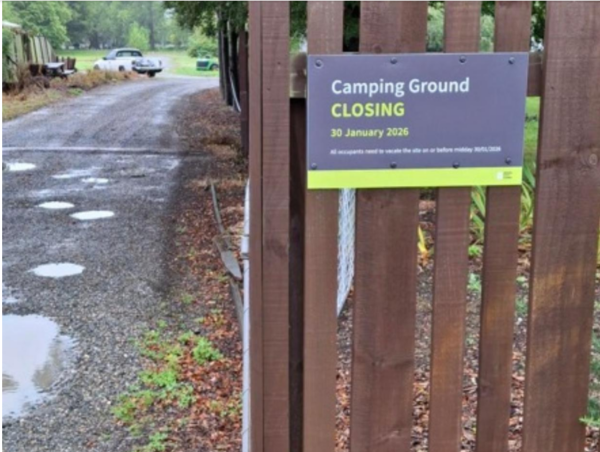
A recent Stuff story from Gore, here, where people experiencing homelessness were told to leave a motor camp, looks at first like a local social issue. But scratch the surface and a wider question emerges: what happens to outdoor access when housing pressure and camping policy collide?
This is not just a Gore problem. Similar tensions are appearing around the country, particularly in places where rivers, reserves, coastal margins, and motor camps double as overnight spaces. As housing stress increases, some of these places are becoming informal refuges. Councils then respond - not by fixing housing, but by tightening access.
Is that really what freedom camping policy was meant to address?
Freedom camping in New Zealand has always sat on a social compact: low impact, self-reliance, shared space, and tolerance. Over time, that compact has been strained. Councils have responded with bylaws, signage, exclusions, and enforcement. Much of this has been justified on environmental grounds. Increasingly, however, social pressure is part of the driver, even if it is rarely acknowledged explicitly.
When a reserve, riverbank, or camp area is used by people with nowhere else to go, it changes public perception. Complaints rise. Concerns about safety, behaviour, and amenity follow. The response is often blunt: close the site, restrict overnight use, or remove facilities. The effect is immediate - and it is felt first by legitimate recreation users.
Is a family in a self-contained campervan the same policy problem as someone sleeping rough? Councils often act as if the answer is yes.
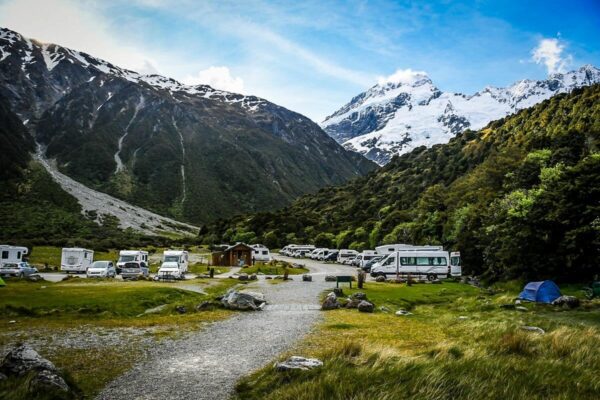
Motor camps sit awkwardly in this space. They are not freedom camping, yet they provide affordable accommodation for anglers, hunters, trampers, and travelling families. When social issues spill into these sites, councils face pressure to intervene. But intervention often takes the form of displacement rather than resolution. People are moved on. Sites are restricted. Recreation infrastructure quietly shrinks.
What is lost is rarely counted.
Across New Zealand, we are seeing:
– fewer overnight options near rivers and lakes
– more “no camping” signs justified by non-recreational concerns
– greater enforcement discretion and less clarity
– rising hostility toward anyone staying overnight outdoors
None of this improves access. None of it fixes housing.
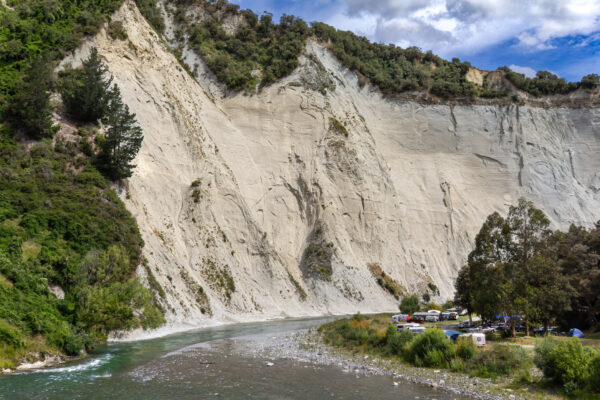
Outdoor recreation depends on edge spaces: river margins, coastal carparks, reserves, basic camps, informal stopping points. These are exactly the places where social pressure is now greatest. When they are closed or restricted, access does not disappear evenly. It disappears first for those without money, local knowledge, or alternatives.
Is that an intended outcome of camping reform?
There is also a risk of policy confusion. Freedom camping rules were designed to manage environmental effects and infrastructure capacity. They were not designed to absorb the consequences of housing failure. When councils use camping restrictions to manage visible homelessness, they blur two very different issues - and in doing so, they weaken the legitimacy of access controls themselves.
This matters because public acceptance of access rules depends on fairness and clarity. When people see camping restrictions justified on shifting or unstated grounds, trust erodes. Recreation users begin to feel targeted for problems they did not create.
From a CORANZ perspective, this raises several questions that deserve more attention than they currently receive.
Are outdoor access spaces being quietly repurposed as pressure valves for social policy failures?
Are freedom camping rules being tightened for reasons that have little to do with recreation or environmental protection?
Are councils inadvertently turning public spaces into contested zones where no one really belongs?
There is also a longer-term risk. Once a site is closed or restricted, it rarely reopens. Tracks lose parking. Camps lose toilets. River access becomes “problematic”. Over time, the outdoors becomes less spontaneous, less affordable, and less welcoming - not through deliberate policy choice, but through accumulated caution.
None of this is an argument against compassion or support for people experiencing homelessness. It is an argument for not solving one policy failure by sacrificing another public good.
Housing policy should be addressed as housing policy. Outdoor access should be managed as outdoor access. When the two are conflated, everyone loses - including communities, councils, recreation users, and the people being moved on.
The Gore situation is a warning sign, not an outlier. As pressures increase, the temptation to manage social issues by restricting access will grow. The outdoor recreation community needs to be alert to that trend and prepared to ask difficult questions.
If freedom camping and motor camps are reduced to tools for managing social discomfort, what happens to the idea of shared public space?
And if access is steadily narrowed in response to problems it did not cause, how long before “open outdoors” becomes a historical idea rather than a lived reality?
These are not abstract concerns. They are already playing out, quietly, reserve by reserve and campsite by campsite.
Certainly the new & amended freedom camping legislation exempts homeless persons – while no definition exists for them.
Many live in RV’s out of necessity, as the major causes of homelessness in NZ are housing affordability and availability, (HUD Report 01/2025), but are they looked on as homeless or freedom campers?
Many Councils, acting on a legal opinion provided by LGNZ , will issue infringements to all in RV’s – regardless if they claim to be homeless or not.
Many see that legal opinion as wrong.
In many overseas jurisdictions, who is homeless is often left up to the persons concerned, as only they know if they are living in RV’s out of necessity, or as a lifestyle.
Responsible Campers Association was founded in 2017 due to the effect the Freedom Camping Act was having on homeless person.
Solutions to problems like “leave no trace” education, is available to, and applicable to everyone, whereas focusing on facilities in RVs (as the new self containment legislation does) is very limited in scope and application.
Surely education has to be a far better way forward?
It is perhaps sad and worrying, that Minister Nash in introducing his “Self Contained Motor Vehicles Bill”, did not leave options open for alternatives to what he had purposed, which would have addressed issues across many groups.
There was a belief, that alternatives raised at the Select Committee (the first ability to do so) would be raised in parliamentary debates – until National declined to write a report on the submissions of the select committee!