
Editor’s note: CORANZ welcomes political party responses on outdoor recreation and environmental issues as the days count down to the election on November 7. CORANZ invites readers to post comments.
Press Release by ACT
Abridged
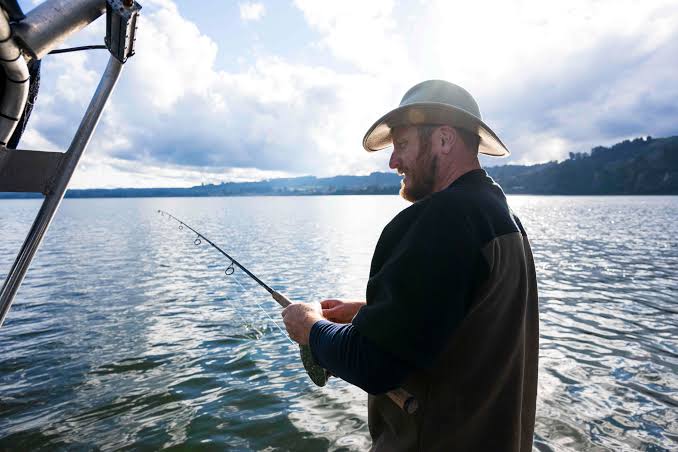
Cameron Luxton, ACT MP – spokesman on outdoors is a keen fisherman and hunter
ACT will unlock New Zealand’s fishing potential by rebuilding fish stocks, protecting vulnerable marine environments, and creating the conditions for better recreational and commercial fishing.
New Zealand has some of the richest marine resources in the world. Fishing supports jobs and exports, puts food on family tables, and is part of the way millions of New Zealanders enjoy our coastline. For many Kiwi families, catching a fish means bringing home dinner. But equally, the fish New Zealanders buy at the supermarket, order at a restaurant, or that many eat with their Friday night chips comes from people making their living at sea. Both depend on abundant, healthy fisheries. But too often, we manage fisheries around scarcity rather than abundance. Some fisheries have been depleted. Some coastal areas have been stripped of shellfish and other marine life. In other places, large management areas can mask local problems.
ACT’s goal is to unlock the potential of our oceans by creating a state of plenty: more fish in the water, better fishing for New Zealanders, and stronger fisheries for the future.
01 Unlock the potential of the Hauraki Gulf
ACT will establish a distinct fisheries management area matching the boundaries of the Hauraki Gulf Marine Park, allowing local catch settings to rebuild depleted stocks while preserving existing quota holders’ proportional property rights.
02 Stopping the stripping of Auckland rock pools
ACT will introduce a nationwide combined recreational daily bag limit of 10 for shellfish and other covered species that do not already have their own individual daily limit, preventing the large-scale stripping of vulnerable rock pools and intertidal areas.
03 Stopping the harmful collection of scallops
ACT will permanently end scallop dredging in scallop fisheries that are currently closed and enable selective harvesting technologies as stocks recover.
04 Align fisheries management with fishing impacts
ACT will require Fisheries New Zealand to quantify the economic and environmental cost of high-impact fishing methods and adjust existing fisheries levies so methods creating greater costs pay a greater share of them.
05 Punish those who break the rules
ACT will increase and stagger fisheries infringement fees so penalties reflect the seriousness of the offending and provide a genuine deterrent.
06 Ensuring fisheries abundance
ACT will progressively manage important fish stocks at higher levels than the current maximum-sustainable-yield approach, creating greater abundance and a stronger margin against uncertainty and future shocks.
Summary
Unlocking the potential of our oceans New Zealand does not have to choose between fishing and conservation. A healthy marine environment is the foundation of a successful fishing industry. Abundant fish stocks are good for commercial fishers, recreational fishers and the wider ecosystem. ACT’s approach is to protect the resource while preserving the freedom to use it. That means rebuilding fisheries where they are depleted, protecting vulnerable habitats from genuine damage, and replacing blunt restrictions with rules focused on actual risks. New Zealand has extraordinary natural advantages. ACT will unlock their potential so our oceans support more fish, more opportunity and better fishing for generations to come.
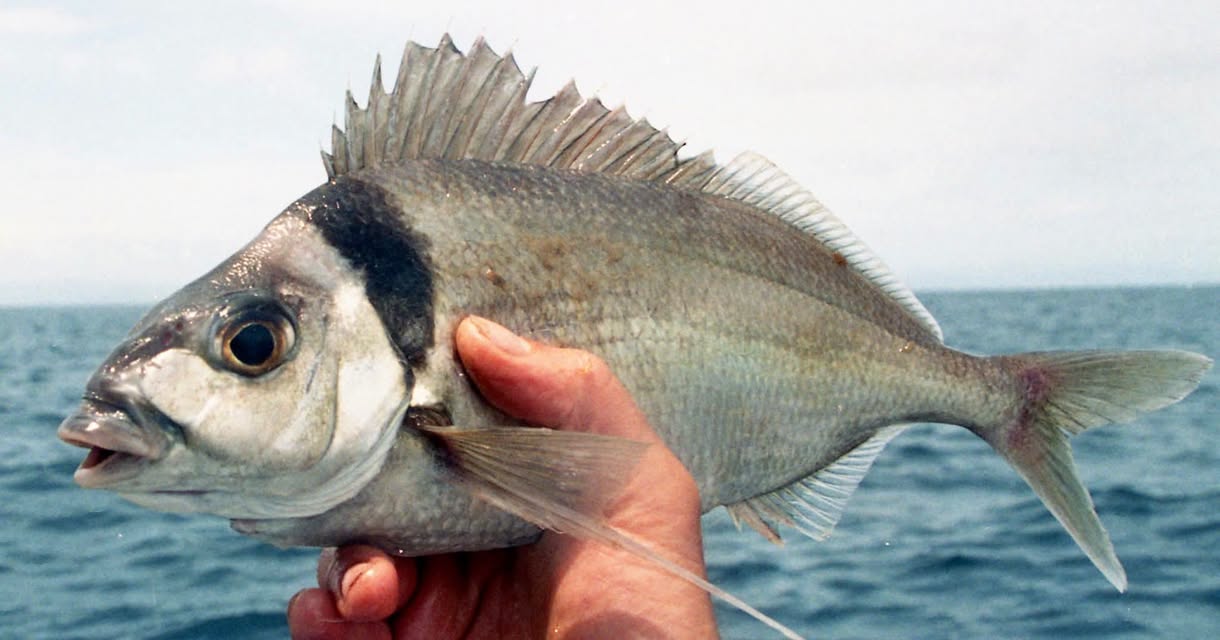
Recently the east coast tarakihi fishery collapsed despite warning for several years from recreational fishers and in particular LegaSea. Also recently it was revealed that the orange roughy deepwater fishery collapsed due to over-fishing and commercial over-fishing during spawning. “Abundant fish stocks are good for commercial fishers, recreational fishers and the wider ecosystem.
Well at least ACT are aware of the short comings in NZ’s fisheries management. However
it doesn’t go far enough.
Unfortunately they are thin on how to protect recreational fishing other than manage the areas around Auckland. Recreational fishing is a significant contributor to mental health for many and you cannot monetise that very easily. ACT has a history of putting commerce first so the jury is out on their proposals.
Meant to add the QMS favours the cimmercial fishing corporate companies allowing them to buy up quota as small Kiwi operators opt out of the industry. That results in the corporates dominating the quota. About 80% of fisheries quota is held by those corporates who be design and donations have a strangle hold ion fisheries management. And then we have a minister like Shane Jones.
New Zealand’s Quota Management System (QMS), is claimed by the Ministry and politicians as a world-leading model for sustainable fisheries, but it’s driving small-scale Kiwi inshore fishers out of business and severely depleting coastal marine ecosystems,
What about all the stupid regulation which hamper recreational and commercial fishermen alike? ACT has done bugger-all on this, despite their lofty claims to clean out all the redundant regulations in the 2023 election campaign.
Looks like ACT has fallen into the same old pattern that National is now in – promise the earth and deliver nothing….
Each year something called “The New Zealand Commercial Fisheries: Atlas of Area Codes and TACCs” is published – I’ve eyeballed a copy and the recurring theme is fascinating – almost every single species of fish in the QMS is NOT harvested at levels anywhere near how much quota has been issued. In other words, by and large the QMS has failed to rebuild stocks as was promised to us back in the 1980s in return for giving private property rights to commercial quota holders to what was, up till then, public property. The QMS should have by rights adjusted the quotas down to reflect this but has utterly failed on this point. Time for a new approach, enter… the Rescue Fish proposal championed by Lega Sea; public ownership, local, human scale, sustainable.