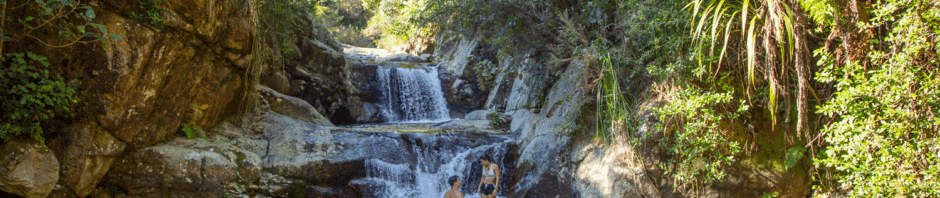
Outdoor swimming is the practice of swimming for enjoyment in natural water - rivers, swimming holes, lakes, and sheltered coastal beaches - rather than in pools or competitive settings.
In New Zealand, outdoor swimming is a long-standing, everyday activity shaped by weather, season, water conditions, and familiarity with place.
How people actually do it
Most outdoor swimming is:
- Short to moderate in duration
- Informal and social
- Done repeatedly in familiar locations
- Closely tied to warm weather and daylight
People often swim:
- As part of a wider outing (walking, picnicking, beach visits)
- With family or friends
- At known spots rather than new locations
Many swims are brief - a dip, a few lengths, then time out of the water.
Where it happens
Outdoor swimming commonly takes place:
- At river swimming holes
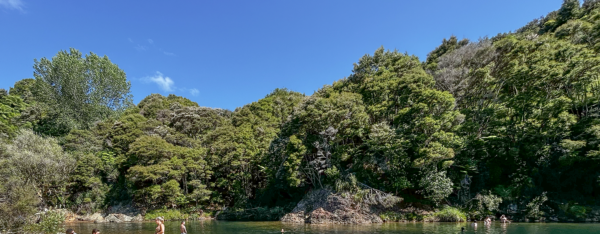
- In deep, slow-moving river reaches
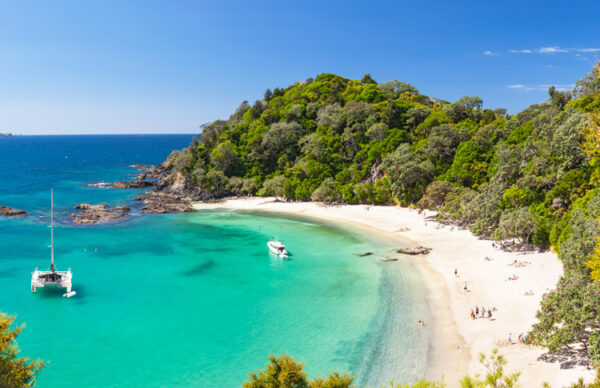
- At sheltered beaches and bays
- In lakes and lagoons
- Near towns, suburbs, and holiday areas
River swimming holes are often local knowledge, used year after year by the same communities. Sheltered beaches are favoured for calmer water and predictable conditions.
Access realities
Outdoor swimming relies on:
- Legal public access to rivers and coast
- Safe entry and exit points
- The ability to assess conditions on arrival
- Familiarity with how places change with weather and season
Loss of access - fencing, unclear routes, or restricted margins - can remove swimming opportunities even when water quality remains suitable.
Safety and supervision
Water conditions in New Zealand can change quickly. Awareness and local knowledge are important.
At beaches, swimming between the flags where lifeguards are present is strongly encouraged. Patrols provided by Surf Life Saving New Zealand play a crucial role in making coastal swimming safer, particularly during summer and holiday periods.
In rivers and lakes, people often rely on:
- Familiarity with the spot
- Swimming with others
- Avoiding flood conditions or strong currents
Safety practices are usually learned informally over time.
Shared use
Outdoor swimming areas are commonly shared with:
- Families and children
- People picnicking or resting nearby
- Walkers and beach users
- Fishers and paddlers
Because swimming tends to be localised, shared use is usually managed through awareness and spacing rather than formal rules.
Who this suits
Outdoor swimming suits:
- Families and children
- Confident casual swimmers
- People cooling off during warm weather
- Those who prefer natural settings to pools
- Locals returning to familiar places
Many people swim this way for decades without seeking distance, speed, or endurance.