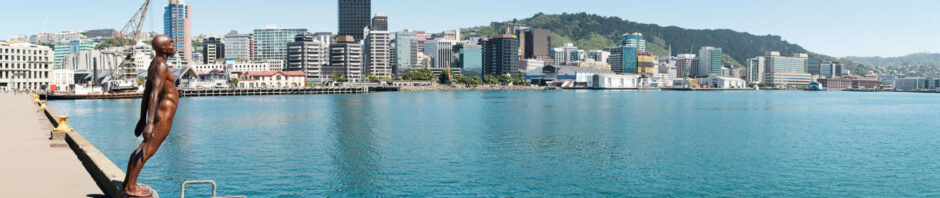
Picnics and public barbecues are a form of outdoor recreation centred on shared meals in public places. In New Zealand they are commonly supported by purpose-built infrastructure - tables, shelters, toilets, and barbecues - provided in parks, reserves, waterfronts, and beaches.
For many people, this is their primary way of using outdoor space, rather than something added onto another activity.
How people actually do it
Most picnics and barbecues are:
- Short to medium length outings
- Social and family-focused
- Low-effort and informal
- Planned around food rather than distance or terrain
Public barbecues are often:
- Free to use, or coin-operated
- Electric or gas
- Maintained by councils or community trusts
- Used spontaneously rather than booked
People commonly bring simple food, use the facilities provided, and stay as long as the space remains comfortable.
Where it happens
Picnics and public barbecues commonly take place:
- In parks and reserves
- Along waterfronts, beaches, and harbours
- Beside lakes, rivers, and estuaries
- In urban green spaces and town centres
- Near playgrounds and open lawns
These locations are usually chosen for:
- Easy access
- Flat ground
- Shelter from wind
- Proximity to toilets and rubbish facilities
Access realities
This activity depends on:
- Open public access to parks and reserves
- Well-maintained facilities
- Safe parking or walking access
- Clear rules about shared use
Because people often carry food, children, or equipment, proximity and convenience matter more than scenery. Loss of facilities or restricted access can quickly make a place unusable for this activity.
Shared use
Picnic and barbecue areas are shared with:
- Families and children
- Walkers and cyclists passing through
- People celebrating events
- Tourists and visitors
Successful shared use relies on:
- Informal courtesy
- Cleaning up after use
- Allowing space for others
Most of this is managed socially rather than through enforcement.
Who this suits
Picnics and public barbecues suit:
- Families and extended groups
- Older people
- People with limited mobility
- Visitors without local facilities
- Anyone wanting outdoor time without physical exertion
They are often the most inclusive form of outdoor recreation, requiring little more than time and access.
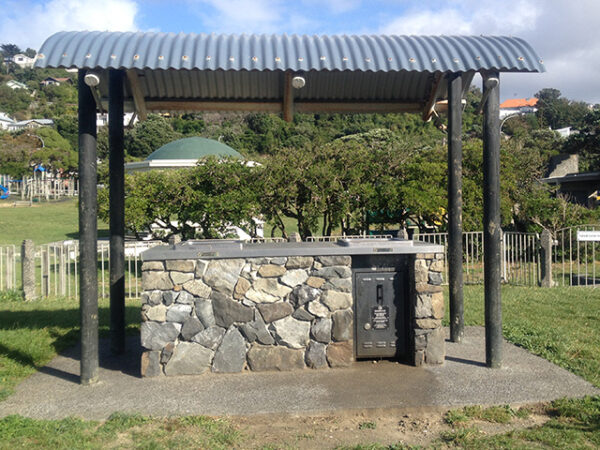
Public barbecues in New Zealand
Public barbecues are a distinctive feature of many New Zealand towns and cities. They:
- Lower the cost of outdoor recreation
- Make public space genuinely usable
- Encourage shared, respectful use of parks
- Support spontaneous gatherings
Whether free or coin-operated, they turn parks and waterfronts into functional social spaces, not just places to pass through.