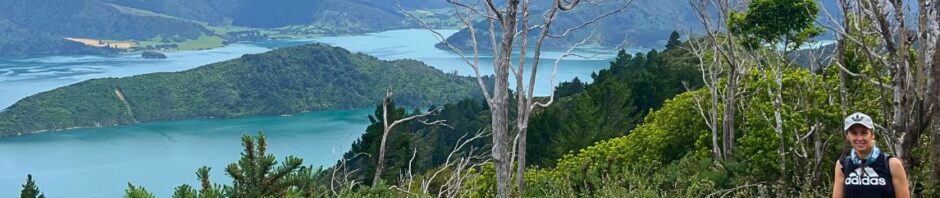
Walking, in this context, means short to medium walks that require little preparation beyond turning up and moving at a comfortable pace. These are walks done for enjoyment, exercise, observation, or time outdoors - not for distance, elevation, or endurance.
In New Zealand, walking of this kind often takes place close to where people live, in places designed to be accessible rather than demanding.
How people actually do it
Most short and medium walks:
- Take between 20 minutes and a few hours
- Begin and end at clear access points
- Follow formed tracks, paths, or open ground
- Require no special clothing or equipment
- Are done alone, with others, or with children
Many people walk the same routes repeatedly, noticing changes in season, light, weather, and use rather than seeking novelty.
Where it happens
This kind of walking commonly occurs:
- Along coasts, rivers, and harbours
- In parks, reserves, and town belts
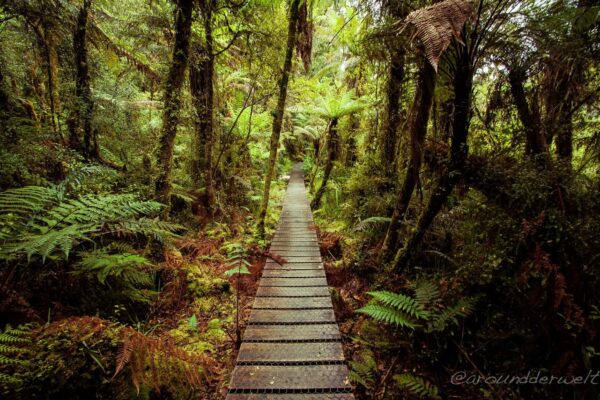
- On formed tracks in forest and hill country
- Around lakes, wetlands, and estuaries
- Near town edges and suburbs
These are places where arrival is easy and commitment is low, making walking part of everyday life rather than a planned outing.
Access realities
Walking relies on:
- Open and continuous tracks
- Legal public access to margins and reserves
- Clear entry points and signage
- Safe road crossings and parking
- Routes that can be turned back at any time
When access is interrupted - through closures, missing links, or unclear boundaries - short walks often disappear entirely.
Shared use
Walking routes are commonly shared with:
- Families and children
- Dog walkers
- Cyclists
- Runners
- People fishing or stopping to observe
Shared use works best where:
- Paths are predictable
- Speeds are moderate
- Courtesy is assumed rather than enforced
Who this suits
Short and medium walks suit:
- People of all ages
- Those returning to activity after illness or injury
- Families with limited time
- Older walkers
- Visitors exploring a place gently
Many people walk this way throughout their lives without ever wanting to progress to longer or more demanding trips.
Walking as its own activity
Walking is sometimes described as a starting point for tramping or hiking. For many people, it is the destination.
It provides:
- Regular outdoor time
- Familiarity with local places
- Physical movement without pressure
- A reason to notice and return
Longer walks and multi-day trips can be introduced later, as separate activities, without redefining walking as incomplete.
Walking (Short & Medium Walks)
Walking, in this context, means short to medium walks that require little preparation beyond turning up and moving at a comfortable pace. These are walks done for enjoyment, exercise, observation, or time outdoors - not for distance, elevation, or endurance.
In New Zealand, walking of this kind often takes place close to where people live, in places designed to be accessible rather than demanding.
How people actually do it
Most short and medium walks:
- Take between 20 minutes and a few hours
- Begin and end at clear access points
- Follow formed tracks, paths, or open ground
- Require no special clothing or equipment
- Are done alone, with others, or with children
Many people walk the same routes repeatedly, noticing changes in season, light, weather, and use rather than seeking novelty.
Where it happens
This kind of walking commonly occurs:
- Along coasts, rivers, and harbours
- In parks, reserves, and town belts
- On formed tracks in forest and hill country
- Around lakes, wetlands, and estuaries
- Near town edges and suburbs
These are places where arrival is easy and commitment is low, making walking part of everyday life rather than a planned outing.
Access realities
Walking relies on:
- Open and continuous tracks
- Legal public access to margins and reserves
- Clear entry points and signage
- Safe road crossings and parking
- Routes that can be turned back at any time
When access is interrupted - through closures, missing links, or unclear boundaries - short walks often disappear entirely.
Shared use
Walking routes are commonly shared with:
- Families and children
- Dog walkers
- Cyclists
- Runners
- People fishing or stopping to observe
Shared use works best where:
- Paths are predictable
- Speeds are moderate
- Courtesy is assumed rather than enforced
Who this suits
Short and medium walks suit:
- People of all ages
- Those returning to activity after illness or injury
- Families with limited time
- Older walkers
- Visitors exploring a place gently
Many people walk this way throughout their lives without ever wanting to progress to longer or more demanding trips.
Walking as its own activity
Walking is sometimes described as a starting point for tramping or hiking. For many people, it is the destination.
It provides:
- Regular outdoor time
- Familiarity with local places
- Physical movement without pressure
- A reason to notice and return
Longer walks and multi-day trips can be introduced later, as separate activities, without redefining walking as incomplete.
Contact Department of Conservation (DOC) for information on the hundreds of kilometers of walking track they maintain, as well as local Territorial Authorities.