
Bird watching is the practice of observing birds in their natural surroundings, using sight, sound, and patience rather than speed or distance. In New Zealand it is commonly done outdoors in public spaces - parks, reserves, coastlines, wetlands, and forests - as well as in predator-controlled sanctuaries.
For many people, bird watching is a reason to slow down and notice places they already visit.
How people actually do it
Most bird watching is:
- Quiet and unhurried
- Done alone or in small groups
- Often combined with walking or sitting
- Practised regularly in familiar places
Many people begin casually, noticing birds during walks or visits to parks, and gradually become more attentive to behaviour, calls, and seasonal changes.
Binoculars can help, but many people rely simply on time, stillness, and familiarity.
Where it happens
Bird watching commonly takes place:
- In parks and reserves
- Along coasts, harbours, and estuaries
- Beside rivers, lakes, and wetlands
- In town belts and forest edges
- Within wildlife sanctuaries and reserves
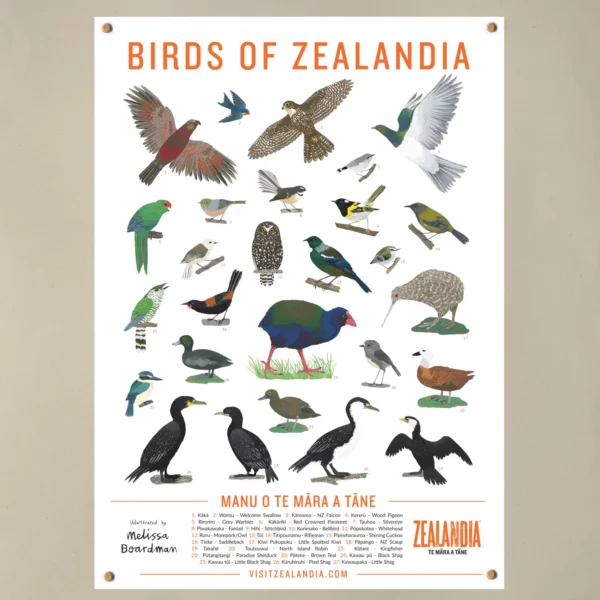
In cities and towns, dedicated sanctuaries such as Zealandia provide opportunities to see rare and endangered native birds at close range, often in settings designed for easy access and repeat visits.
At the same time, everyday spaces - street trees, local reserves, beaches - remain important places for observation.
Access realities
Bird watching relies on:
- Open public access to green and blue spaces
- Walkable tracks and quiet margins
- Viewing points that allow stopping and waiting
- The ability to return to the same place repeatedly
Sanctuaries often provide:
- Formed paths
- Clear boundaries
- Predictable access hours
- Managed habitats
Both types of places are valuable, and many people move easily between them.
Shared use
Bird watchers commonly share space with:
- Walkers and runners
- Photographers
- Families and children
- Other quiet park users
Because bird watching is unobtrusive, it generally coexists easily with other activities. Courtesy tends to be simple: keeping noise low, staying on tracks where required, and allowing others to pass.
Who this suits
Bird watching suits:
- People of all ages
- Families and children
- Older people
- Those seeking calm outdoor activity
- People with limited mobility or time
It is often one of the most accessible forms of outdoor recreation, requiring little preparation and adapting easily to different abilities.
Learning and noticing
Many people learn bird watching gradually by:
- Repeated visits to the same place
- Noticing seasonal changes
- Listening for calls and movement
- Talking with others informally
- From books and the Internet
Some choose to join local groups or attend guided walks, while others prefer to observe quietly on their own. Both approaches are common and equally valid.