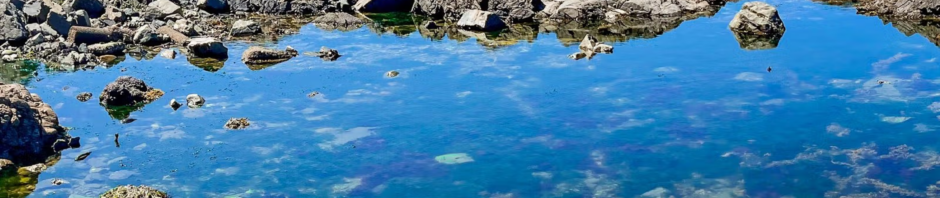
Beach wandering and rock pooling is the exploration of coastal margins at walking pace, focusing on shoreline features, rock platforms, pools, shells, seaweed, and marine life revealed by the tide.
In New Zealand, this is one of the most accessible and widely practised coastal activities, requiring little preparation beyond time, curiosity, and awareness of conditions.
How people actually do it
Most people experience beach wandering and rock pooling as:
- Short to medium outings
- Slow, attentive movement rather than distance
- Repeated visits to the same beach
- Activity shaped by tide, weather, and light
Rock pooling is most commonly done:
- Around low tide
- On calm days
- In sheltered bays and rocky headlands
- With children or small groups
People often stop frequently, crouch, observe, and move on rather than covering long distances.

Where it happens
This activity typically takes place:
- On sandy beaches with rocky margins
- Around headlands and reefs
- In intertidal rock platforms
- Along urban and suburban coastlines
- At small local beaches as much as destination ones
Many of the best locations are close to towns and cities, making this an everyday coastal activity rather than a special trip.
Access realities
Beach wandering and rock pooling rely on:
- Legal public access to the foreshore
- Safe entry points onto beaches and rock platforms
- Awareness of tides and changing conditions
- The ability to turn back easily
Even small changes - fencing, unclear access points, or loss of coastal margins - can make familiar beaches effectively unusable for this activity.
Shared use
Coastal margins are shared with:
- Swimmers
- Surfers
- Fishers
- Walkers
- Families and children
Because rock pooling happens close to shore and at low speeds, shared use usually works through informal awareness and courtesy rather than rules.
Who this suits
Beach wandering and rock pooling suit:
- Families with children
- Curious walkers
- People interested in marine life
- Older people moving at an easy pace
- Anyone wanting coastal time without swimming
Many people practise this activity casually throughout their lives without formalising it or seeking progression.
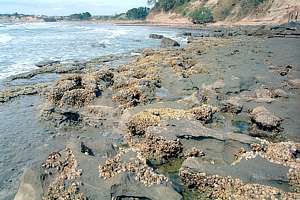
Awareness and care
Rock pools and intertidal zones are living environments. Common practice includes:
- Looking without removing
- Returning rocks gently to their original position
- Watching footing on slippery surfaces
- Being mindful of waves and changing tides
These habits are usually learned informally through experience rather than instruction.