
Sheltered-water paddling is the use of kayaks, canoes, or paddleboards in calm, protected water such as harbours, estuaries, lakes, lagoons, slow rivers, and sheltered bays. The focus is on steady movement and exploration, not speed, surf, or endurance.
In New Zealand, this form of paddling is widely practised close to towns and cities, often in places people already know well from land.
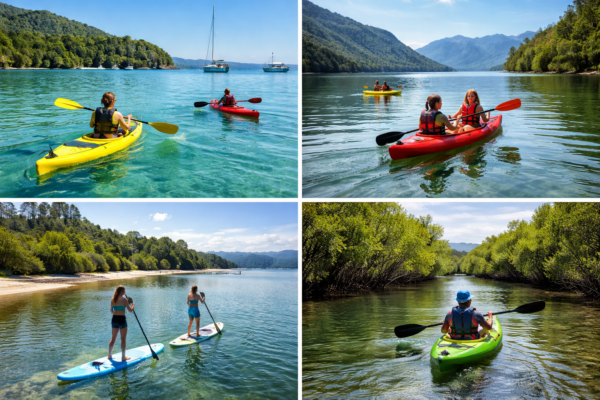
How people actually do it
Most sheltered-water paddling is:
- Short to half-day in length
- Done at an easy, conversational pace
- Planned around calm conditions and daylight
- Repeated on familiar routes
People often paddle:
- Along shorelines rather than across open water
- With a partner or small group
- In the warmer months, though some paddle year-round
- As part of a wider day out
Many outings involve frequent stops to rest, look, or return early if conditions change.
Where it happens
Sheltered-water paddling commonly takes place:
- In harbours and bays
- On estuaries and tidal inlets
- In lakes and lagoons
- On slow-moving rivers
- Along urban and suburban coastlines
Suitable locations are chosen for:
- Protection from wind and swell
- Easy launching points
- Clear sightlines
- Predictable conditions
These are often places shared closely with walkers, swimmers, bird watchers, and fishers.
Access realities
Paddling relies on:
- Legal public access to the water
- Safe launch and exit points
- Parking or carry-down access
- The ability to assess conditions on arrival
Even small losses of access - blocked launch points, fenced margins, or restricted parking - can remove paddling opportunities, especially for casual users.
Safety and conditions
In sheltered water, conditions are usually manageable, but still changeable. Common practice includes:
- Choosing calm days
- Staying close to shore
- Wearing flotation where appropriate
- Turning back early if wind or weather builds
Local knowledge and conservative judgement matter more than distance or ambition.
Shared use
Sheltered waters are typically shared with:
- Swimmers
- Small boats
- Fishers
- Bird watchers
- Other paddlers
Because paddling is quiet and low-impact, shared use usually works through awareness, spacing, and courtesy rather than formal separation.
Who this suits
Sheltered-water paddling suits:
- Beginners and casual paddlers
- Families and mixed-ability groups
- People who enjoy steady movement
- Those wanting water access without swimming
- People exploring familiar places from a new angle
Many people paddle this way for years without moving into open water or surf environments.
Learning and getting started
People commonly begin sheltered-water paddling through:
- Friends or family
- Rental or guided sessions in calm locations
- Community groups or clubs
- Trial outings on familiar water
Starting small, staying close to shore, and choosing well-known places is normal and encouraged.