
Do Supplements Really Help Outdoors?
By Andi Cockroft, Chair, CORANZ
When I first headed into the outdoors in the 1960s, the performance-enhancing options were modest. We had food. We had water. And if things dragged on longer than expected, perhaps a few glucose tablets in a pocket. That was about it. No sachets, no gels, no powders promising stamina, resilience, mental sharpness or “optimised recovery”. Yet people walked, climbed, hunted, paddled and camped - often for long days - and generally got by.
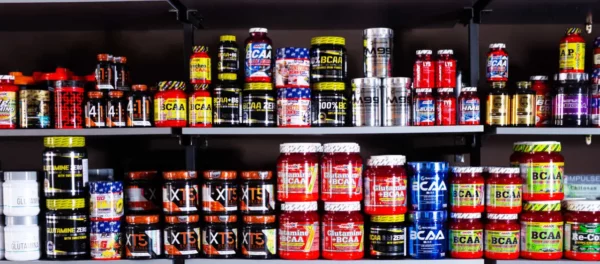
Fast-forward to today and the contrast is striking. Walk into any outdoor shop, supermarket or pharmacy and you’re confronted with a dazzling array of products: energy drinks, endurance gels, electrolyte mixes, protein bars, recovery powders, caffeine shots, mushroom extracts, herbal “adaptogens”, amino acids, and supplements that promise everything from sharper focus to fatigue resistance and faster recovery. The question almost asks itself: has human performance changed, or just the marketing?
If these products work as claimed, why did earlier generations manage without them? And if they don’t, why are they now so ubiquitous?
One obvious difference is availability. In the 1960s, glucose tablets were a simple solution to a simple problem: running low on readily available fuel. Sugar was energy. It still is. The body hasn’t changed. Muscles still run on carbohydrate. Brains still depend on glucose. So when we talk about “energy” products today, are we really talking about anything fundamentally different?
Take a closer look at most endurance supplements and you’ll usually find sugar - sometimes dressed up as maltodextrin, fructose, dextrose, or “fast-acting carbs”. Are these genuinely superior fuels, or simply new names for the same thing we already understood decades ago?
Then there’s caffeine. Coffee existed in the 1960s too. Today, it’s delivered as gels, shots, powders and drinks with precise milligram counts and claims of heightened alertness and performance. Does caffeine help? Sometimes, yes. But does it create stamina, or merely change how tired you feel? And if it masks fatigue, is that always a good thing in environments where judgement and caution matter?
Electrolytes are another modern staple. We’re told we need precise blends of sodium, potassium, magnesium and more to keep going. Yet people have sweated in the outdoors for centuries with little more than water and food. When do electrolytes actually matter - and when are they simply an expensive way to flavour water? Are cramps really prevented by powders, or by pacing, conditioning and hydration?
Protein is everywhere now too. Bars, shakes, “recovery” mixes. Protein has its place, particularly for repair over days or weeks. But does it help you get up the hill today? Or has “recovery” become a selling point attached to activities that most people already recover from perfectly well by eating normal food and resting?
Then we arrive at the more exotic end of the spectrum. Supplements promising resilience, reduced stress, improved oxygen uptake, enhanced mental clarity. Plant extracts, fungi, amino acids, compounds with long names and short explanations. Are these products filling a real gap in outdoor performance, or are they addressing a modern anxiety about tiredness, discomfort and limits?
Perhaps the more uncomfortable question is this: are we trying to supplement away the realities of outdoor effort?
Fatigue is not always a flaw. Hunger, thirst and tiredness are signals. They tell you to slow down, to eat, to drink, to reassess. In the outdoors, those signals can be protective. If a supplement delays them, does it always make you safer - or does it sometimes encourage you to push past sensible limits?
There is also the matter of expectations. When everything promises optimisation, it’s easy to believe that performance is something you buy rather than build. Has the rise of supplements coincided with a decline in patience, conditioning and experience? Are we outsourcing preparation to packets and sachets?
The outdoor environment is not a gym or a racecourse. Conditions change. Weather intervenes. Terrain varies. Decisions matter. Unlike controlled sport, outdoor recreation rewards judgement as much as strength. Does a product designed to squeeze out marginal gains in competition translate meaningfully into tramping, hunting, paddling or fishing? Or does it simply add complexity to something that once relied on simplicity?
That’s not to say nothing has improved. Lightweight, portable food is better than it used to be. Packaging is more convenient. Information about hydration and nutrition is clearer. But improvement in delivery is not the same as improvement in physiology.
Which brings us back to the starting point. If glucose tablets worked then, why wouldn’t ordinary food work now? If water and pacing kept people going for decades, what problem are we really trying to solve?
Perhaps the most telling question is this: if you removed all the supplements, would outdoor recreation suddenly become impossible - or just less commercialised?
For many people, the answer is obvious. Most outdoor pursuits are still powered by legs, lungs, judgement and experience. Supplements may make things feel easier, or at least feel different. But feeling easier is not the same as being stronger, fitter or safer.
In the end, the outdoors has a way of stripping things back to essentials. You carry what you need. You learn what matters. And you discover, often repeatedly, that no powder can replace preparation, no drink can substitute for pacing, and no capsule can deliver resilience without experience.
Which leaves one final question worth asking before reaching for the next brightly coloured sachet: are you fuelling the journey - or fuelling the illusion that it can be shortcut?