
Recent reporting has highlighted a growing problem for water-based recreation. Athletes and young participants in activities such as surfing, kayaking, and waka ama are increasingly facing conditions that make entering the water unsafe. The immediate focus is on pollution and hazards, but the broader issue is not access itself. It is whether that access can be used with confidence.
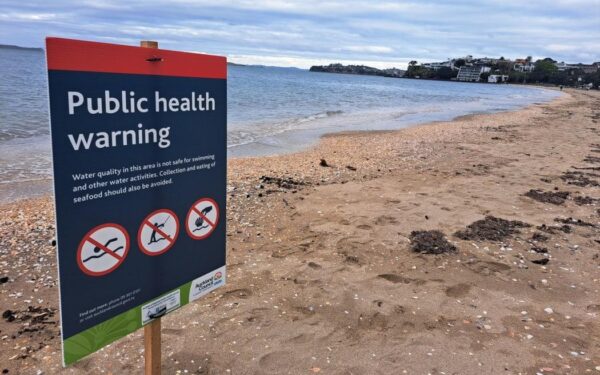
What changes in these situations is the nature of the environment. Rivers and coastal waters remain physically accessible, but conditions within them are less predictable. Contamination from wastewater overflows, debris following heavy rainfall, and reduced water quality all affect usability. Taken together, these factors shift waterways from being open spaces for recreation to environments requiring caution or avoidance.
This alters participation. Water-based sport depends on consistent, safe conditions, particularly for younger users and organised events. Where water quality warnings, debris, or contamination become more frequent, participation declines regardless of interest. The barrier is no longer motivation, but the reliability of the environment itself.
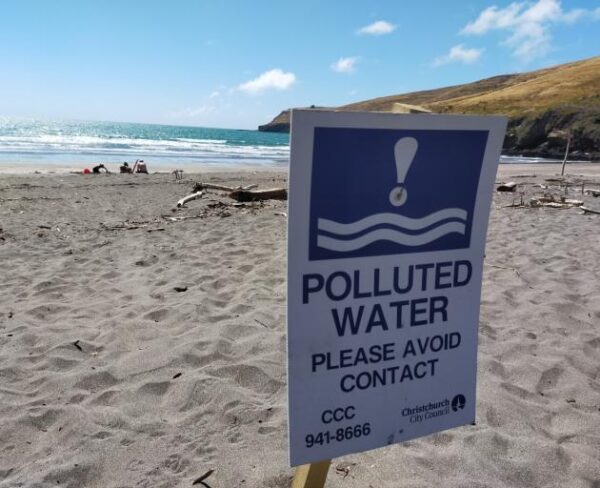
This pattern is increasingly familiar across the country. Infrastructure limitations, land use pressures, and catchment management all influence water quality and flow. Individually, these issues may appear manageable. Taken together, they reduce the margin within which waterways can absorb stress without affecting recreational use.
Seasonal conditions may also influence how these issues present in the short term. Forecasts indicate a likely El Niño pattern over the coming months, typically associated with drier conditions in many regions. Reduced river flows can concentrate contaminants and limit natural dilution, while periods of heavy rainfall can still introduce debris and pollution into waterways. These conditions do not create the underlying issues, but they can intensify their effects when systems are already under pressure.
Public waterways are a shared resource, and their value depends on both access and safe use. Recreation, sport, and environmental health are closely linked in practice. Systems that allow access but do not maintain conditions for safe participation begin to fall short of their purpose.
This is not about whether people wish to use these environments. It is about whether those environments remain fit for use. The issue is not access alone, but whether access can still be exercised safely and consistently over time.
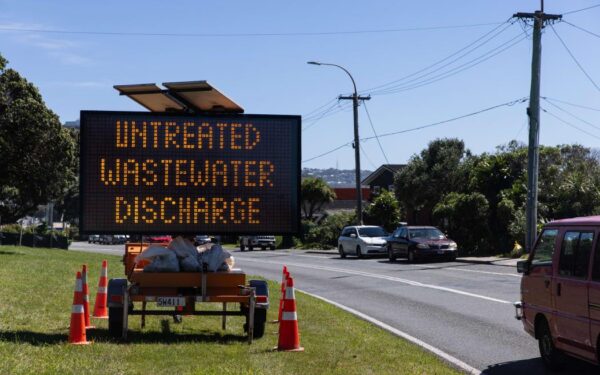
Yes but politicians bow to the polluters and exploiters, who control politicians by substantial political donations. Water in whatever form of saltwater or fresghwater is opublicly owned.
Politicians are public servants, elected to serve the public and their resources.
Look forward to more of the same as out wastewater infrastructure is privatized.
E.g. Thames Water Authority and Wales.
So many wastewater facilities are ancient and by large, inadequate fr purpose, the same can be said for freshwater facilities around New Zealand, look at our capital city as an example, a bloody disgrace
The confidence to access died when John Key started dismissing regional councils. The access issue is deeply tied in with the erosion of democracy in Aotearoa. So much is hidden behind the smoke screens of Beneficiary bashing, Maori bashing, and bills defining gender. The coalition are quietly facilitating the destroying of the bases of outdoor recreation behind these smoke screens.