Part Five of a CORANZ Election Series
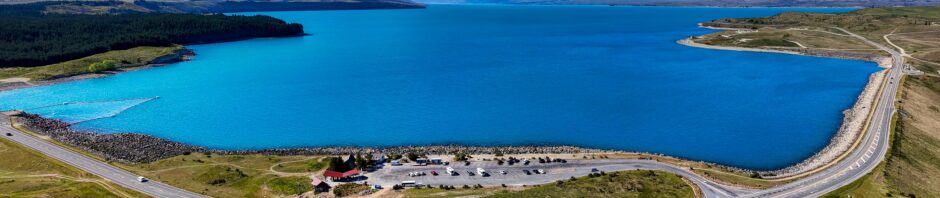
A proposal to draw additional water from Lake Pukaki under a fast-track process has brought renewed attention to how water resources are prioritised. The stated aim is to improve energy security and reduce electricity costs by increasing access to existing storage. The immediate reaction has focused on potential impacts to landscape, tourism, and local use. The broader issue is how competing demands on a shared resource are balanced over time.
What changes in this case is the level of flexibility applied to the lake. Allowing water levels to fall further extends its function as an energy storage asset, particularly during periods of low inflow. At the same time, this increases exposure of lake margins, alters visual character, and may affect ecological conditions. Consultation appears more limited under the fast-track framework, and decision-making is more centralised. Taken together, these shifts place greater weight on energy outcomes relative to other uses.
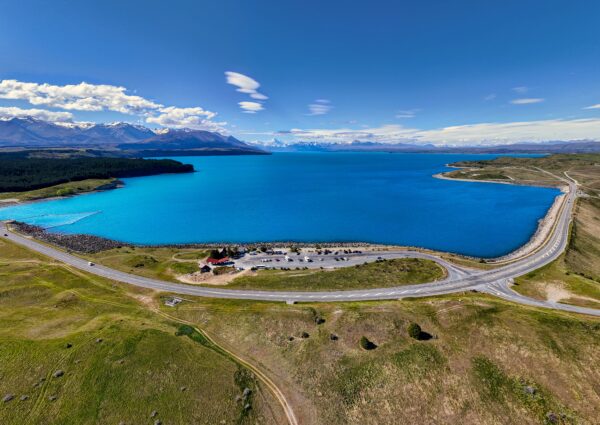
This alters how the lake operates in practice. Lake Pukaki is not only part of a hydro scheme, but also a defining landscape feature supporting recreation, tourism, and environmental values. Lower water levels may affect shoreline stability, increase dust from exposed sediments, and reduce the visual qualities that attract visitors. While these effects may be acceptable in isolation or short duration, extended or repeated use changes expectations of what the lake represents.
This pattern reflects a wider trend. Water resources across the country are subject to increasing demand, whether for energy, irrigation, or urban use. Individually, each demand can be justified. Taken together, they compress the margin available to absorb variability and maintain multiple uses simultaneously. Decisions become less about whether water is used, and more about which uses take priority when constraints are reached.
Seasonal conditions, especially during an El Niño period, may further influence how these pressures are experienced. The likely El Niño pattern over the coming months may bring drier conditions to many regions, reducing inflows and slowing recovery of lake levels. Under these conditions, extended drawdown may have more pronounced effects. These cycles are not new, but they highlight how dependent outcomes are on the capacity of the system to recover.
Water is a public resource with multiple roles. Its management must balance reliability of supply with protection of environmental and recreational values. Systems that favour one use without clear limits on others risk gradual loss of balance. Decisions about allocation should remain visible, proportionate, and grounded in long-term outcomes.
This is not about whether water should be used for energy, or whether flexibility has value. It is about how competing uses are weighed and what remains when pressures increase. The issue is not allocation alone, but whether the system retains sufficient resilience to support all of the values placed upon it.
“Water is a public resource with multiple roles. Its management must balance reliability of supply with protection of environmental and recreational values. ”
This so correct.
You missed the purpose of accessing lower levels in Lake Pukaki which is to add value to Meridian’s infrastructure to enable it to provide security of supply to irrigation schemes throughout the Waitaki Valley. I.e. “double dip” hydro generation profits and the sale of water.
Jack’s point about the public resource is the key. All of the public should have a say on its use not just the commercial vested interests. Recreational users make up huge parts of our population from anglers to boaties to trampers, etc.