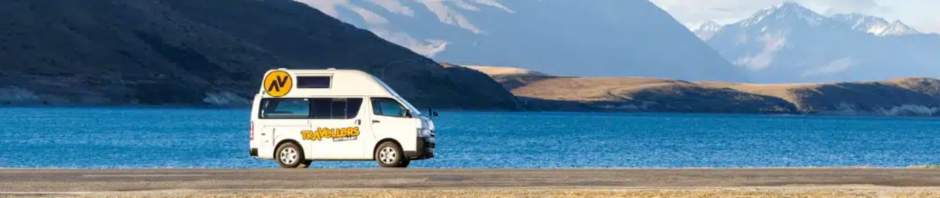
Camping and caravanning in New Zealand involve staying overnight outdoors using tents, campervans, caravans, or self-contained vehicles. This includes campgrounds, DOC sites, and - where permitted - freedom camping, which allows people to stay temporarily in public places without formal facilities.
Camping is not about remoteness or endurance, but about time, flexibility, and access to place.
For many New Zealanders, camping and caravanning has long been a practical way to travel and spend time outdoors. It has allowed families, couples, and individuals to holiday within their means, often returning to the same places year after year.
Over time, vehicles change, equipment improves, and needs evolve - but the core appeal remains the same: affordable freedom and familiarity with place.
How people actually do it
Most camping and caravanning is:
- Short stays of one to several nights
- Planned around weather and season
- Combined with other activities (walking, swimming, fishing, cycling)
- Done repeatedly in familiar locations
Freedom camping is often:
- Opportunistic rather than planned
- Used for overnight stops while travelling
- Practised by people who move on the next day
- Dependent on clear local rules and good judgement
Many people mix formal campsites and freedom camping within the same trip.
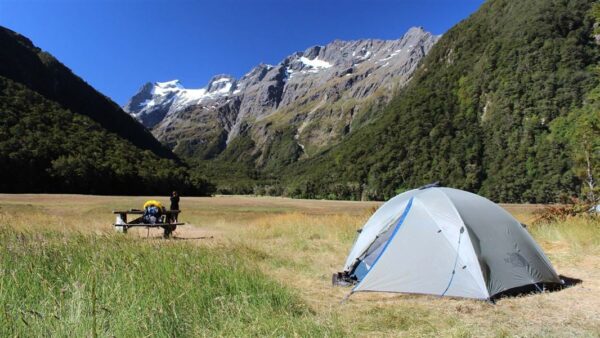
Where it happens
Camping and caravanning commonly take place:
- At DOC and council campgrounds
- In holiday parks
- On roadside or coastal locations where permitted
- Near rivers, lakes, beaches, and forest parks
- On the edges of towns and rural areas
Freedom camping locations are typically chosen for:
- Legal access
- Flat ground
- Minimal impact on residents
- Ability to leave no trace
Access realities
Camping relies on:
- Clear rules about where staying overnight is allowed
- Public access to land and margins
- Facilities where provided - or self-containment where they are not
- Good information about local expectations
Confusion about access, or blanket restrictions applied without context, can quickly remove practical camping options even where use has been responsible.
Responsible camping in practice
Responsible camping - including freedom camping - is based on a few widely understood principles:
- Stay only where permitted
- Manage waste appropriately
- Respect local communities and other users
- Leave places as you found them
- Move on rather than settle
These practices are usually learned informally and reinforced through shared expectations rather than enforcement alone.
Who this suits
Camping and caravanning suit:
- Families and groups
- Older travellers
- People on extended journeys
- Those seeking low-cost outdoor accommodation
- New Zealanders and visitors alike
Freedom camping in particular allows people to travel at their own pace, without needing to pre-book or rely on commercial accommodation.
Learning and support
One organisation that promotes best practice in this space is the Responsible Campers Association, which supports freedom camping done responsibly and provides information to help campers understand expectations and minimise impact.
Many people also learn through:
- Experience and observation
- Advice from other campers
- Local signage and council guidance
Participation remains a personal choice, and people camp in many different ways throughout their lives.
See what the brits think about it!!!!!