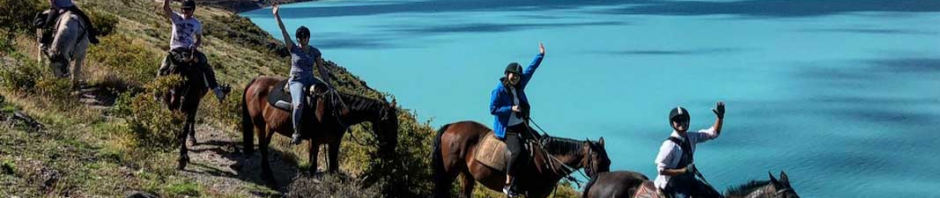
Horse trekking is recreational riding at a walking or steady pace, using formed tracks, open country, river flats, beaches, and designated routes. In New Zealand it is commonly practised as a leisure activity, focused on time outdoors rather than speed, sport, or competition.
For many riders, the emphasis is on journey and place, not destination.
How people actually do it
Most horse trekking involves:
- Small groups or pairs
- Calm, steady riding
- Familiar routes used repeatedly
- Half-day or day outings rather than long expeditions
Rides are often shaped by:
- Terrain and track condition
- Weather and season
- The needs of both rider and horse
Many riders value predictability and familiarity over novelty.
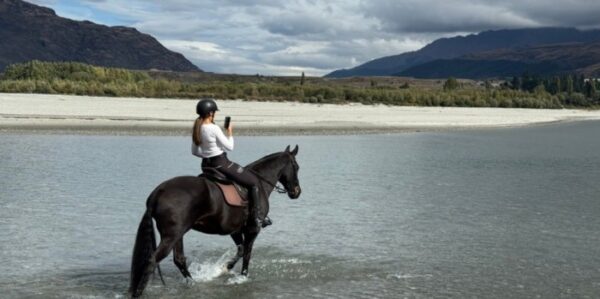
Where it happens
Horse trekking commonly takes place:
- On formed tracks and easements
- Along river flats and margins
- Through high country and open farmland (where permitted)
- In forest parks and reserves
- On beaches and coastal margins where access allows
These are places where width, continuity, and surface matter, and where shared access has to be managed carefully.
Access realities
Horse trekking relies on:
- Legal access to tracks and margins
- Routes wide enough for horses
- Clear crossings and gates
- Places to load, unload, and rest
Even when land remains visually open, loss of practical riding access - locked gates, narrowed tracks, broken links - can end long-used routes.
Because horses cannot easily detour or turn back in confined spaces, route continuity is especially important.
Shared use
Horse trekking routes are often shared with:
- Walkers and trampers
- Cyclists
- Farm vehicles
- Other riders
Successful shared use depends on:
- Predictable behaviour
- Clear sightlines
- Courtesy and communication
Most riders are accustomed to adjusting pace, stopping, or dismounting when needed to accommodate others.
Who this suits
Horse trekking suits:
- Experienced riders seeking relaxed outings
- Families riding together
- Older riders preferring steady pace
- People who value quiet movement through landscape
Many riders continue trekking for decades without moving into competition or endurance riding.
Learning and participation
People commonly take up horse trekking through:
- Informal riding groups
- Local clubs
- Family or community connections
- Guided treks that introduce routes and etiquette
Some riders prefer organised group rides; others ride independently once familiar with local access and conditions. Both approaches are common.
Getting Started – Finding opportunities to ride
For people new to horse trekking, the easiest way to begin is often through existing local providers or informal groups, rather than trying to navigate access alone.
Local stables and riding centres
Many people start by contacting:
- Local riding schools or stables
- Trekking and trail-ride operators
- Farm-based or regional equestrian centres
These often offer:
- Guided treks on established routes
- Horses suitable for beginners
- Local knowledge about terrain and conditions
- An introduction to riding etiquette and shared use
Even where formal trekking isn’t advertised, stables can usually point people toward suitable options or local contacts.
Informal groups and social media
Horse trekking is frequently organised informally. Common ways people find opportunities include:
- Local Facebook community or equestrian groups
- Regional riding pages and noticeboards
- Word of mouth through other riders
Searching online for “horse trekking” or “horse riding” alongside a town or region name will often surface local groups or posts.
Participation is usually flexible, and newcomers are often encouraged to observe or join at a pace that suits them.
Learning gradually
It’s common for people to:
- Begin with guided or group rides
- Learn routes and expectations over time
- Progress to independent riding once familiar
- Choose calm, well-used tracks rather than remote routes
There is no expectation to move quickly or to ride alone.
A simple way to start
For someone new to horse trekking:
- Contact a local stable or riding centre
- Ask what recreational or guided riding is available
- Join a group ride or introductory trek
- Learn about local routes, access, and shared use
This approach reduces uncertainty and builds confidence - for both rider and horse.