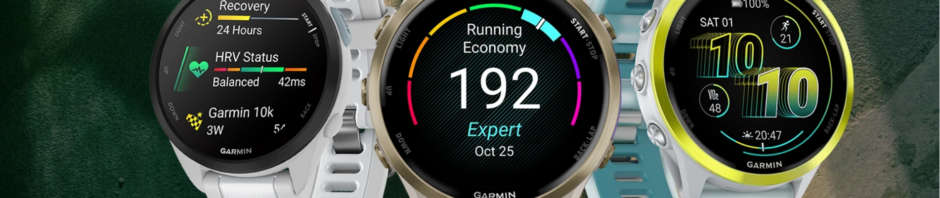
Fitness watches and tracking devices are tools some people use to record time, distance, location, or movement during outdoor activities such as walking, cycling, swimming, or paddling. In New Zealand they are commonly worn during everyday recreation rather than organised sport.
They are not an activity in themselves, but a way some people choose to engage with activities.
How people actually use them
Most people who wear fitness watches use them lightly. Common uses include:
- Tracking how long an outing lasts
- Recording routes for reassurance or memory
- Noticing general patterns of activity over time
- Keeping an eye on time when exploring unfamiliar places
Many users ignore most features and interact with the device only occasionally.
Where they fit naturally
Tracking devices are most often used during:
- Walking and cycling
- Outdoor swimming
- Longer or unfamiliar routes
- Solo activities
They are less commonly used - or deliberately left behind - during activities focused on stillness or observation, such as tai chi, bird watching, photography, or picnicking.
What they can be useful for
Used gently, fitness watches can:
- Encourage regular movement
- Provide reassurance when outdoors alone
- Help people return to activity after illness or injury
- Support pacing on longer outings
- Increase confidence to explore slightly further
For some people, this support is what makes outdoor activity possible at all.
Important caveats
Fitness watches are not neutral. They shape attention.
They can become unhelpful when:
- Numbers replace enjoyment
- Activities feel like they “don’t count” unless recorded
- Rest or slower days feel like failure
- Attention shifts away from place and toward screens
This is particularly relevant for activities where presence matters more than performance.
Choosing when not to track
Many people move between tracking and not tracking depending on mood or activity. It is common to:
- Track longer or unfamiliar outings
- Leave devices behind for local walks
- Ignore metrics during social or family activities
- Use watches occasionally rather than daily
Leaving a device behind is not a step backwards - it is often a deliberate choice.
Who this suits
Fitness watches suit:
- People who enjoy structure
- Those building or rebuilding routines
- Solo outdoor users seeking reassurance
- People motivated by patterns rather than competition
They do not suit everyone, and they do not need to be used all the time.