
Where Freshwater, Salt and Policy Collide
Lake Wairarapa is not a place of dramatic cliffs or postcard drama. It is broad, low, and quiet - a lake you come to slowly. That, perhaps, is its strength. For generations it has been a place to fish, hunt, walk, paddle, watch birds, and simply sit with space and weather. It is also a place shaped as much by decisions as by water.
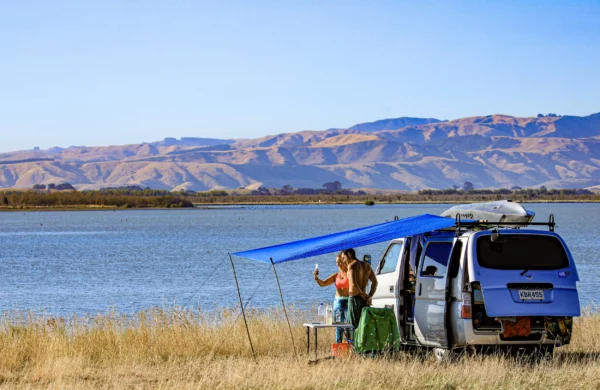
For many, a natural starting point is Lake Domain Reserve on the northern edge of the lake. Still open to freedom campers under local rules, it remains one of those increasingly rare places where low-cost, informal access is possible. Toilets are provided, vehicles must be self-contained, and stays are limited - sensible conditions that allow people to linger without overwhelming the place.
It is an unassuming base, but a good one. From here the lake feels expansive rather than constrained. You notice birdlife first: black swans, ducks, waders working the margins. Anglers and walkers share space without fuss. The lake breathes in wind and light.
A working lake, not a wild one
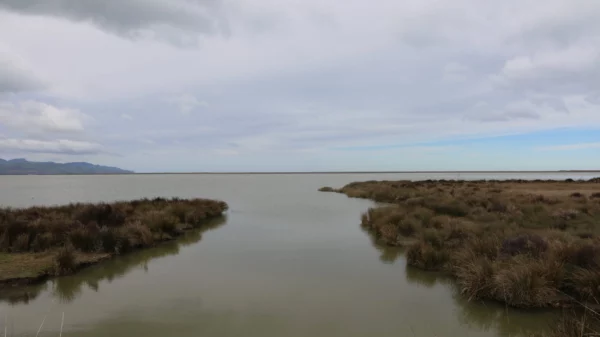
Lake Wairarapa is not untouched wilderness. Stopbanks, managed water levels, and drainage schemes have shaped it for decades. Flood control upstream, farmland protection, wetland values and wildlife habitat all intersect here. The lake is part of a system designed to manage risk as much as to support ecology.
That reality is visible without explanation. Water levels fluctuate. Shorelines shift. Wetlands expand and contract. The lake tells you, quietly, that it is governed as much as it is natural.
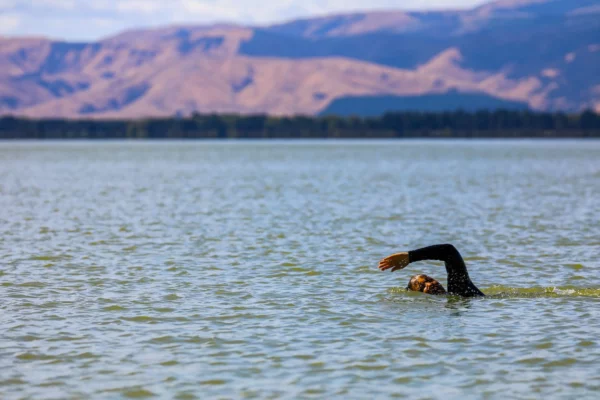
For recreation, that governance matters. Access may exist on paper, but how usable a place feels depends on water quality, margins that aren’t choked with weeds, and confidence that the experience will be worth the visit. Lake Wairarapa still offers that - most days - but it carries the marks of compromise.
Following the water south
As you move south, the lake narrows and purpose becomes clearer. Water is no longer simply present; it is directed. Channels, outlets, and control points remind you that this entire system is designed to serve many masters at once.
Here the conversation shifts from enjoyment to consequence. Decisions made upstream - about land use, water levels, and timing - all travel downstream. They accumulate. By the time the lake reaches its outlet, those decisions are no longer abstract.
Onoke Spit: the meeting place
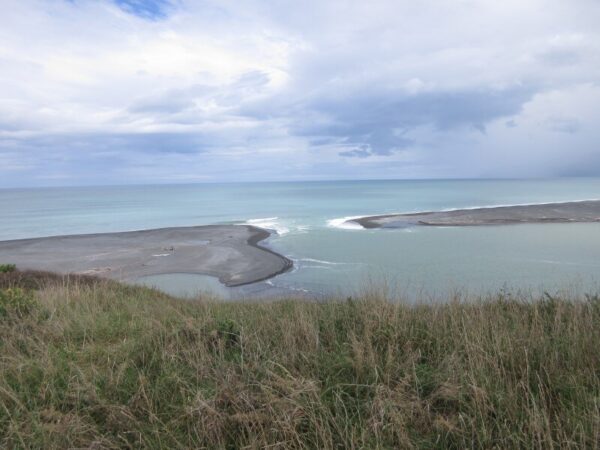
At Onoke Spit, everything converges. Freshwater meets salt. Lake becomes lagoon, lagoon becomes sea. It is a narrow strip of gravel and sand, but it carries disproportionate weight.
This is a place valued for fishing, walking, birdwatching and simply standing in weather. It is also a vital nesting and feeding area for several vulnerable bird species that rely on open shingle and sand. Seasonal sensitivities are real here, and access reflects that reality.
It is also where flood management becomes tangible. At times, the lake is opened to the sea to manage water levels upstream. When that happens, Onoke Spit shifts - physically and symbolically. The outlet is a reminder that what happens here affects farms, towns, wetlands and wildlife across the wider catchment.
Access shaped by timing and trust
Onoke Spit has long been a place where access feels conditional. Sometimes that condition is weather. Sometimes it is ecology. Sometimes it is policy. For recreationists, the challenge is not that rules exist, but that they change, tighten, or become unclear over time.
This is where good management matters most. Clear, seasonal, proportionate rules build trust. Blanket restrictions erode it. Places like Onoke Spit work best when people understand why access is limited at certain times - and when they can see that those limits are tied to real outcomes, not administrative convenience.
A place that tells a bigger story
Taken together, Lake Wairarapa and Onoke Spit are more than destinations. They are a system - one that shows how water moves through land, how decisions travel downstream, and how recreation, conservation and flood control are permanently intertwined.
You can still camp quietly at the lake’s edge. You can still walk the spit and feel the weather coming off Cook Strait. But you can also see, plainly, how fragile those experiences are if management loses sight of the people who use these places respectfully and regularly.
This is not a story about conflict. It is a story about balance - and about remembering that outdoor recreation is not an optional extra. It is one of the ways New Zealanders stay connected to the very places policy is meant to protect.
At Lake Wairarapa, that connection begins gently. At Onoke Spit, it is tested. And between the two lies a reminder worth holding onto: places work best when decisions are grounded in how they are actually lived in.