If Lake Wairarapa is a lesson in how water is managed, redirected and negotiated, then the Pinnacles are a reminder of what water does when left to its own devices - patiently, relentlessly, and over immense spans of time.
Rising out of a narrow valley east of Lake Wairarapa, the Putangirua Pinnacles feel almost unreal when first encountered. Tall columns of gravel and clay stand packed together like a forest of stone, shaped not by tectonic violence but by erosion - rain, runoff, and gravity working quietly over tens of thousands of years.
It is a place that rewards unhurried attention.
Arriving at the edge of deep time
The drive in already sets the tone. Leaving the open plains behind, the road narrows and the land begins to fold in on itself. Slopes steepen. Vegetation thickens. You are no longer in a managed lowland system, but entering the headwaters - a landscape defined by instability rather than control.
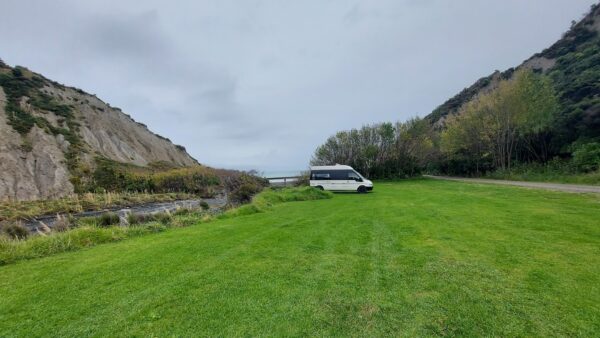
At the valley floor sits the Putangirua Pinnacles Campsite, a simple Department of Conservation site that does exactly what a good DOC campsite should: provide access without intrusion.
There are toilets, flat grassy areas for tents and campervans, and little else. No bookings, no power, no noise beyond birds and the creek. It is a place to stay the night, cook a meal, and listen to the valley settle. In contrast to more formal camping grounds, it feels deliberately modest - a reminder that you are a visitor here, not the point of the place.
Walking into the valley
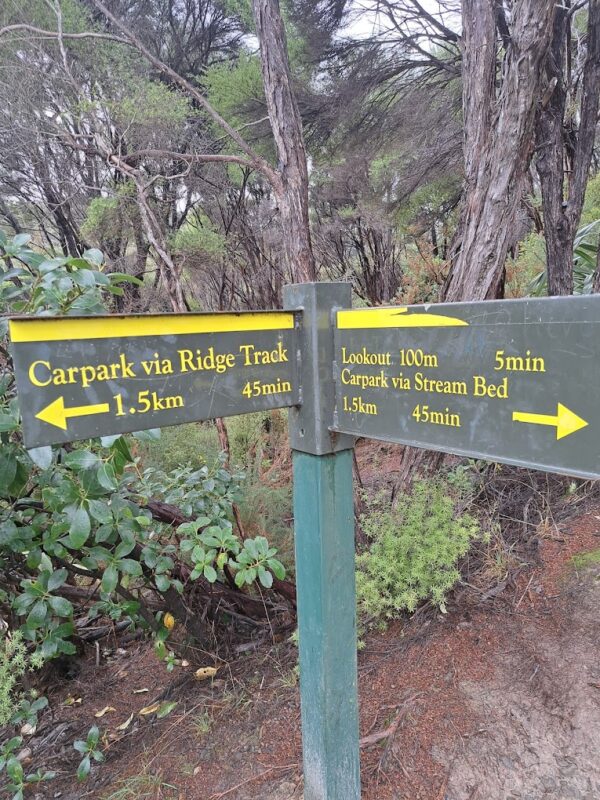
The track to the Pinnacles begins gently, following the stream bed and gradually climbing upstream. The walking is straightforward, suitable for families to a point, though the terrain becomes steeper and rougher as you go.
The geology announces itself early. The valley walls are raw, exposed, and friable - composed largely of ancient alluvial gravels that were once deposited when sea levels and river systems looked very different from today. These sediments, uplifted and then carved back down, are the raw material of the Pinnacles.
What makes this place special is not just the formations themselves, but how clearly the process is on display. You can see the water lines. You can trace the channels. You can almost imagine the next collapse waiting to happen.

The Pinnacles revealed
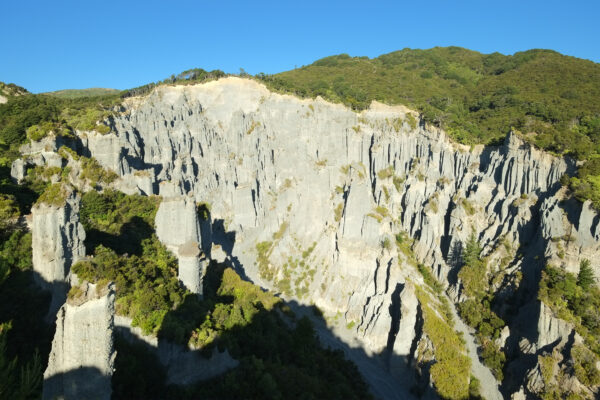
When the columns finally come into view, the effect is striking. Dozens of narrow spires rise vertically, packed tightly together, their surfaces etched by countless rainfall events. Some lean. Some crumble at the edges. None feel permanent.
It is tempting to describe them as sculptures, but that misses the point. These are not finished objects. They are mid-process.
This is erosion as a living thing - ongoing, incremental, unstoppable. Every heavy rain changes the scene slightly. Every season leaves its mark.
For visitors, this creates a subtle shift in perspective. In places like this, it becomes difficult to maintain the illusion that landscapes are static, or that human timeframes are the measure of all things.
Water as the common thread
Seen in isolation, the Pinnacles are impressive. Seen in context - especially after time spent around Lake Wairarapa - they become part of a much larger story.
The same forces that:
- flood the lake margins,
- require stopbanks and managed outlets,
- and demand constant human intervention downstream,
are the forces that carved these columns upstream.
At the Pinnacles, water is not something to be controlled. It is something to be respected. There are no gates here, no engineered releases, no attempt to hold the line. The valley simply absorbs what comes, reshaping itself accordingly.
That contrast is instructive.
Access that works - mostly
From an outdoor recreation perspective, the Pinnacles are a good example of access done well. The track is clear. Expectations are set. Visitors are asked to stay on formed routes and not climb the formations - rules that make sense once you see how fragile the columns are.
There is no sense of exclusion, only guidance. You can get close, explore, photograph, linger - provided you accept the basic premise that some places are better enjoyed lightly.
The campsite reinforces that approach. It supports use without encouraging overuse. It is functional, not promotional. And for many visitors, it enables something increasingly rare: a quiet overnight stay close to a significant natural feature without cost or complexity.
A different kind of wilderness
The Pinnacles are not pristine wilderness in the romantic sense. The valley bears the marks of past use, tracks, and natural instability. But it is wild in a deeper way - unpredictable, unfinished, and indifferent to human schedules.
This matters. In a country where so much land is managed, regulated, stabilised or optimised, places like this offer a different relationship with nature. One that asks for attentiveness rather than entitlement.
For walkers, families, photographers and those simply curious about how landscapes form, the Pinnacles deliver something rare: not spectacle alone, but understanding.
Linking back to the lowlands
Standing among the stone columns, it is hard not to think back to the lake below. The water that feeds Lake Wairarapa once passed through valleys like this. The sediments beneath your feet once travelled downstream.
Seen together, the lake and the Pinnacles form a single story:
- uplands eroding,
- lowlands filling,
- humans stepping in to manage the consequences.
Neither place makes full sense without the other.
Why places like this matter
The Pinnacles do not need defending through rhetoric. They justify themselves simply by existing. But they do remind us of something important: that outdoor recreation is not just about activity, but about perspective.
Places like this slow people down. They recalibrate expectations. They make policy debates feel smaller - not irrelevant, but more grounded.
In the end, the Pinnacles are not about conquering a track or ticking a destination off a list. They are about standing in a landscape shaped by water and time, and recognising that our role is temporary.
If Lake Wairarapa shows us how water is governed, the Pinnacles show us why humility is a useful companion to any decision made downstream.
Together, they tell a story worth walking into.Bottom of Form