
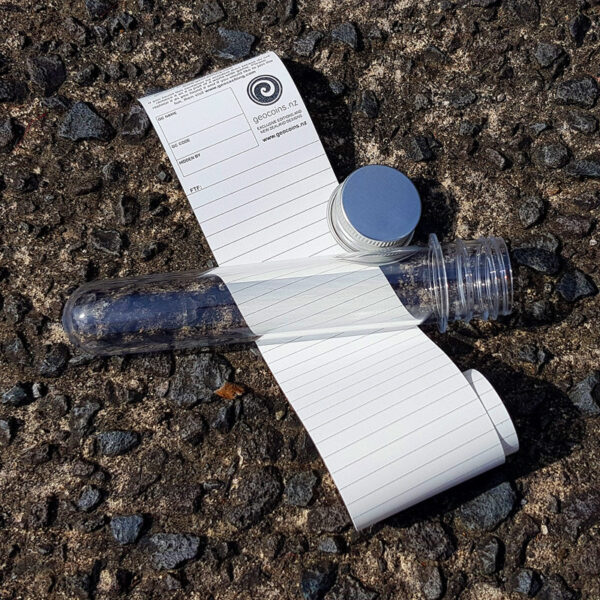
Geocaching is a recreational activity where people use a GPS-enabled device - usually a smartphone - to locate small, hidden containers placed in public spaces. Each “cache” has recorded coordinates and is typically found along tracks, reserves, coastal margins, town belts, or other accessible places.
In practice, geocaching is a structured reason to explore ordinary places more closely.
How people actually do it
Most people experience geocaching as:
- Short, goal-based walks
- Family or small-group outings
- Low-intensity exploration
- Repeated visits to familiar areas
Caches are usually found:
- Within walking distance of roads or paths
- Along formed tracks
- Near points of interest, viewpoints, or edges
The activity is as much about the journey to the location as the find itself.
Where it happens
Geocaching commonly takes place:
- In parks and reserves
- Along coastal and river margins
- On shared walking and cycling paths
- Around town belts and green corridors
- In small towns and urban edges
Because caches are deliberately placed where people are allowed to go, the activity relies heavily on clear, legal public access.
Access realities
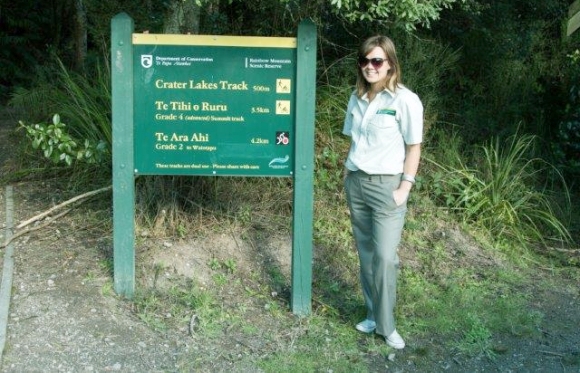
Geocaching depends on:
- Open tracks and paths
- Continuous access through public land
- Safe roadside stopping points
- Clear boundaries between public and private land
When access changes - a track closes, a margin is fenced, or a gate is locked - caches often have to be removed or become unreachable, even though the surrounding land remains visible.
Shared use
Geocaching locations are almost always shared with:
- Walkers and runners
- Families and children
- Cyclists
- Dog walkers and locals
Most participants practise discretion and low-impact behaviour, leaving places as they found them and avoiding disturbance to others.
Who this suits
Geocaching suits:
- Families with children
- People who enjoy gentle goals
- Walkers looking for extra motivation
- Visitors exploring unfamiliar towns
- People who prefer exploration over exertion
It works well for mixed ages and abilities, and many people participate casually without joining any formal group.
Learning and community
Geocaching is supported by a global platform, Geocaching, which provides maps, coordinates, and basic guidance. Participation is informal, and people typically learn by doing rather than through instruction.
Local knowledge - such as track conditions, seasonal changes, or busy times - is often picked up through experience rather than training.
Getting started
Most people begin geocaching casually, using tools they already have.
Online platforms
The most widely used starting point is Geocaching, which provides:
- Free access to many local caches
- Maps and coordinates
- Basic explanations of how caches work
- A mobile app suitable for beginners
Many people never move beyond the free level and still enjoy the activity fully.
Local groups and communities
In New Zealand, informal support and local knowledge are often shared through:
- Regional geocaching Facebook groups
- Community noticeboards and local forums
- Conversations with other geocachers encountered on tracks
These groups are typically practical rather than technical, focusing on:
- Track conditions
- Access changes
- Family-friendly locations
- Seasonal considerations
Participation is optional, and many people geocache entirely on their own.
A simple way to begin
For most newcomers, the easiest way to start is:
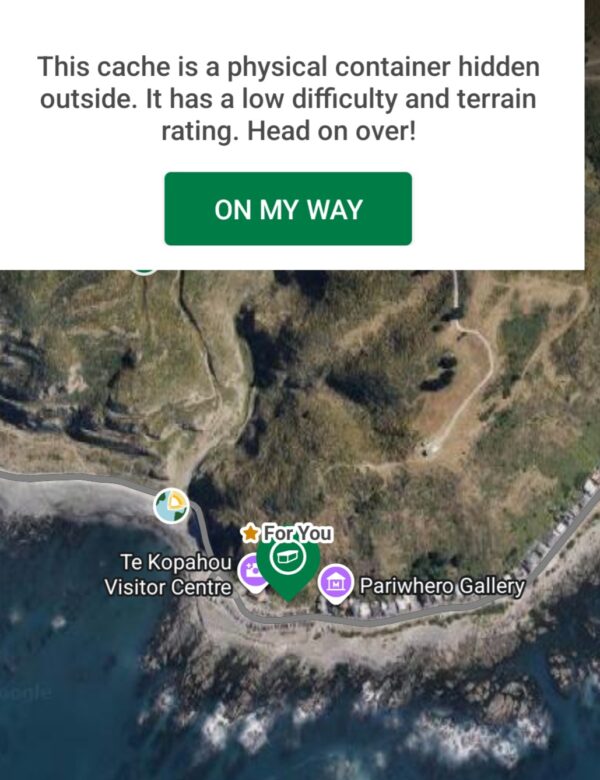
- Download a geocaching app
- Choose a cache close to home
- Combine it with a short walk you already know
- Treat the first few finds as exploration rather than success or failure
No special equipment is required beyond a phone, comfortable shoes, and awareness of surroundings.
Independence is normal
Some people enjoy the community side of geocaching; others prefer to treat it as a quiet, self-directed activity. There is no expectation to join groups, log every find publicly, or progress to more complex caches.
Many participants remain casual users for years.