
Commentary by Andi Cockroft, Chairman, CORANZ
How native species continue to cling to life despite everything we’ve done to their habitats
New Zealand has become famous for extinctions - but less well known for its rediscoveries. In the last decade alone, researchers, councils, iwi, landowners and citizen scientists have uncovered populations of native animals and plants that were thought to be gone for years, decades, or even a century.
These reappearances aren’t miracles. They’re warnings. Each rediscovery shows that fragments of once-rich ecosystems are still out there - battered, diminished, but not yet beyond saving. They are the last sparks glowing in the ashes of landscapes reshaped by farming, deforestation, drainage, invasive predators, and human neglect.
This article brings together some of the most striking rediscoveries of the last 5–10 years: mudfish clinging to life in neglected wetlands, ancient galaxiid fish hiding in forgotten tributaries, geckos surviving in remote crevices, bats holding on in forests long written off, a parasitic plant flowering in a place it had vanished from for generations, and even a ghost-moth reappearing after being known only from century-old records.
Each rediscovery is a message - a final chance to act before the last survivors are truly gone.
1. The Wetland Holdouts: Mudfish and Galaxiids
Black Mudfish - Helensville (2025)
For more than a decade, surveys of a Helensville wetland turned up nothing. The black mudfish - a native species adapted to winter flooding and summer drought - had not been seen there since the early 2010s. It was assumed extinct from the site.
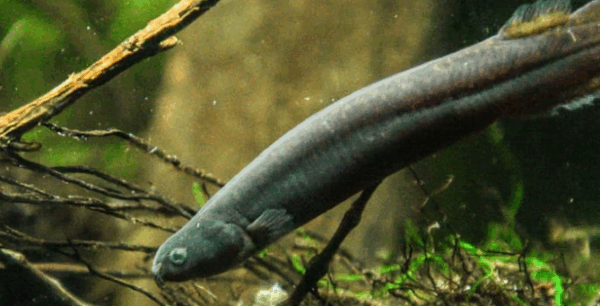
Then in late 2025, during a routine Watercare–Auckland Council wetland assessment, surveyors dipped nets into a shaded back corner and found adult and juvenile black mudfish alive and breeding. Two separate pockets were discovered - proof that a remnant population had been quietly clinging on.
This was not a reintroduction. This was survival against the odds: habitat degradation, encroachment, weeds, drainage, and the absence of previous survey success.
The implications are huge. If mudfish can survive unnoticed in such a small, stressed patch of wetland, how many more sites might hold remnant populations? How many “lost” wetlands still shelter species that national databases have long written off?
Clutha Flathead Galaxias - Cardrona (2025)
In Otago, a Fish & Game–supported research project surveyed around 30 tributaries in the upper Cardrona. Three populations of the critically endangered Clutha flathead galaxias were found - including one that had not been recorded for twenty years.
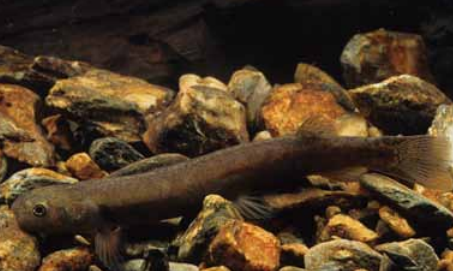
Like the Helensville mudfish, this rediscovery suggests hidden refuges persist in small streams and headwaters that have escaped trout incursions. These refuges are often dismissed tributaries, tiny seeps that appear insignificant until someone finally checks them properly.
Every one of these rediscovered populations represents centuries of survival - and a warning that we are perilously close to losing species that may only exist in a handful of streams.
2. The Lizard Comebacks: Geckos Reappearing After Decades
Cupola Gecko - Nelson Lakes (rediscovered 2021)
For decades, the Cupola gecko was known only from preserved specimens. No one alive had seen one in the wild.

Then, in 2021, a team searching the alpine boulder fields of Nelson Lakes found live geckos again.
Not many - but enough to confirm the species had survived unseen for decades in subalpine rocklands far from human access.
Forest (Raukawa) Gecko - Auckland (2025)
In a city backyard, of all places, a Raukawa gecko was photographed and reported to council. To ecologists’ surprise, it matched a locally extinct lineage. The species had been considered gone from central Auckland - replaced by invasive mammal pressures, habitat loss, and urbanisation.
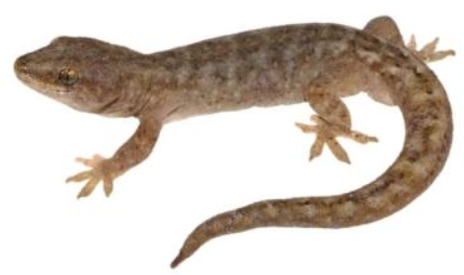
Yet there it was - quietly living in the corner of a garden, a survivor in a city where almost nothing native remains outside managed sanctuaries.
Okarito Gecko - West Coast (rediscovered 2020)
The Okarito gecko hadn’t been seen for decades. Its rediscovery around 2020 - after years of searching - confirmed that the species had persisted in tiny, remote forest patches despite predators, storms, and habitat loss.
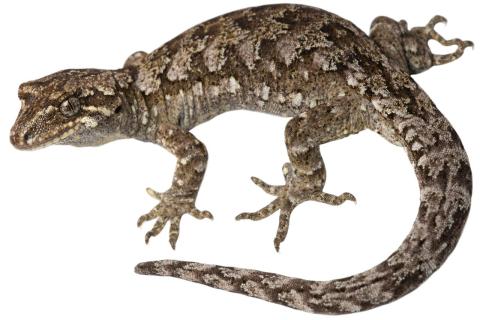
These rediscoveries show that native reptiles - often long-lived, slow-breeding and extremely vulnerable to mammals - can survive only in thin slices of intact habitat. Once those slices are gone, so too are the species.
3. Bats in the Shadows: Lesser Short-Tailed Bat Rediscoveries
Our endemic bats are some of the most threatened mammals in the world.
In 2019, the lesser short-tailed bat was rediscovered in the Ōmahuta–Puketi forest complex after being missing from surveys for many years. Only a few hundred remain. These bats are burrowers, forest-floor gleaners, and their survival in unmanaged forests shocked even DOC staff.
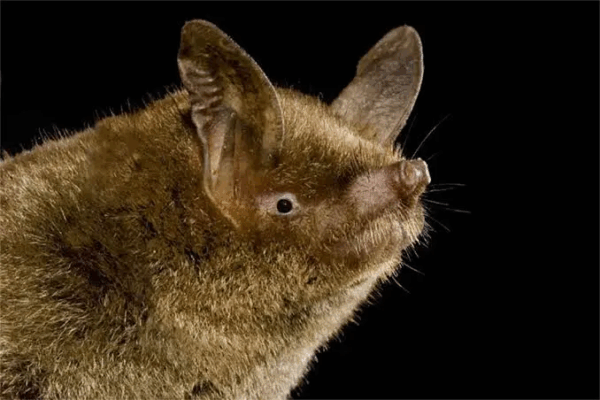
In 2024, Greater Wellington confirmed a new colony in the Pākuratahi area - where bats had been absent for a generation. Their rediscovery wasn’t a sign of recovery - rather, that remnant individuals had somehow managed to persist in habitat long thought empty.
If you look for a metaphor of resilience, look to the bats: species that have lost almost everything, yet hang on in hollow logs and old forest pockets, waiting for us to notice before it’s too late.
4. A Ghost From the Past: Titanomis, the “Frosted Phoenix”
For over a century, the moth Titanomis sisyrota - the “frosted phoenix” - was known only from old museum specimens. It had no known living populations, no modern records, nothing to suggest it was still alive in the wild.
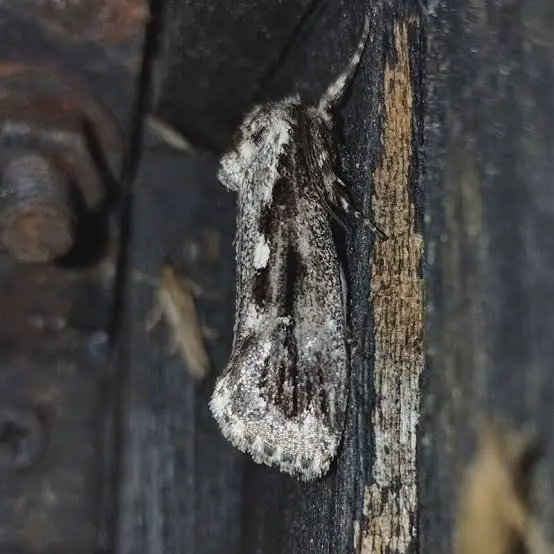
Then, in 2024, an iNaturalist user uploaded a photo of a strange moth. Experts nearly fell out of their chairs - it was Titanomis. A species effectively written off had reappeared thanks to an amateur naturalist with a camera.
This rediscovery highlights an important truth: not all conservation comes from government departments or universities. Sometimes it comes from someone walking in the bush with a smartphone and curiosity.
5. A Flower From the Underworld: Te Pua o te Rēinga Reappears
In 2025, Greater Wellington staff surveying the Wainuiomata water catchment made a startling discovery: te pua o te Rēinga (Dactylanthus taylorii), the parasitic, subterranean “flower of the underworld”, had returned to a forest where it had been absent for more than a century.
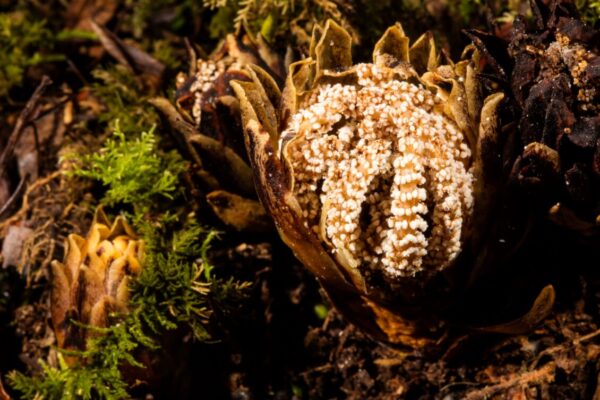
This is a plant dependent on nocturnal pollination by the short-tailed bat - a bat that itself is hanging on by a thread.
The rediscovery suggests that fragments of pre-colonial ecology survive deep in managed forest, where browsing and pest control have allowed ancient interactions to re-establish. It is not only a rediscovery; it is an ecological reunion.
6. What These Rediscoveries Tell Us
These cases are not accidents. They reveal several hard truths about New Zealand’s environmental reality:
(1) Remnant habitats still exist - barely
Wetlands, springs, headwater streams, patches of old forest, city gullies, and rocky scree can still hold survivors if predators are low and disturbance hasn’t been total.
(2) Our monitoring is deeply inadequate
Most rediscoveries happened because someone finally looked. Many species may be silently disappearing before they are ever recorded.
(3) Recovery depends on habitat - not regulation alone
You cannot save mudfish in a drained wetland.
You cannot save geckos in a suburb with free-roaming cats.
You cannot save bats in forests stripped of old trees.
Rediscoveries emphasise the importance of protecting the last remnants, not just building new bureaucratic rules around species status.
(4) Time is nearly up
These rediscoveries represent the edge of extinction. Species are not rebounding - they are surviving. Just.
Without immediate habitat protection, improved freshwater policy, wetland restoration, and predator management, the next survey may find nothing.
7. Why This Matters for Recreation, Freshwater Policy, and Community Groups
For anglers, hunters, trampers, and outdoor recreationists, these rediscoveries matter because:
- They validate long-term restoration work.
- They show the importance of keeping rivers clean and headwaters intact.
- They prove small wetlands and tributaries are ecological goldmines.
- They counter the narrative that “everything is already gone, so why bother?”
More importantly, they show that New Zealand still has a chance - a narrowing window - to keep some of its unique biodiversity alive.
Groups like NZFFA and CORANZ have a critical role both in advocating for waterway protection and in challenging poorly designed “solutions” that ignore habitat and ecological fundamentals.
Rediscoveries should not make us complacent. They should motivate us.
8. The Message of the Survivors
Each rediscovered species tells the same story:
- “I survived despite wetland drainage.”
- “I survived despite predators.”
- “I survived despite pollution.”
- “I survived despite deforestation.”
- “I survived because one corner of habitat was left alone long enough.”
These rediscoveries are not signs of environmental health.
They are signs of environmental fragility - and the possibility of restoration if we act now.
Species hang on until they don’t.
What remains is precious.
We should take these rediscoveries not as happy endings, but as urgent reminders:
If we protect the last fragments, we can still save what’s left.
Because in a country that has already lost so much, the species that are “hanging on” are not just survivors.
They are the last guardians of what New Zealand once was - and what it could still become.
Amazing how these things can hang on without any help – and now, sad to say, they will come under the mercies of organisations like DOC who have such a bad track record maintaining such populations.