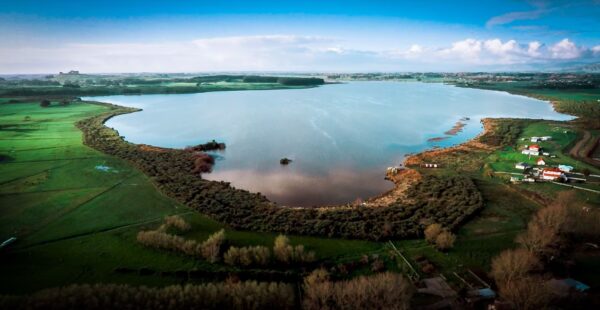
The removal of more than 400 tonnes of invasive weeds from Lake Horowhenua sounds impressive. It is.
Sadly, it is also not a cure.
For decades, raw sewage was discharged into the lake. That legacy does not disappear because a mechanical harvester has worked seven weeks each summer.
This is physical intervention. A $300,000 harvester operating 12 hours a day, cutting in grid patterns, lifting biomass from a 390-hectare lake. That is not symbolic effort. It is measurable action.
But the deeper issue remains.
Weed growth is a symptom. Excess nutrients are the cause.
When lakes are overloaded with nitrogen and phosphorus, invasive aquatic plants thrive. Oxygen levels drop. Native species struggle. Removing weeds helps restore oxygen circulation and improves access for native plants. That is positive.
Yet unless nutrient inflows are controlled at source, weeds return.
Lake Horowhenua’s history includes sewage discharge and long-standing catchment pressures. Mechanical harvesting buys ecological breathing space. It does not rewrite history.
The article is careful not to promise too much. There is “no timeframe” for when the lake will be safe to swim in again. That honesty is welcome.
Too often restoration projects are presented as breakthroughs. In reality, they are incremental.
There are positives here.
• Sustained intervention over five summers
• Large-scale biomass removal
• Acknowledgement of invasive fish species
• Operational care around native species such as eels
This is practical restoration. It is not rhetoric.
But readers should understand the scale of challenge. Four hundred tonnes of weed in seven weeks suggests how productive the system has become under nutrient enrichment. That productivity is not natural balance. It is distortion.
Lake restoration is rarely quick. Sediments hold nutrients. Catchments continue to contribute runoff. Warm summers accelerate growth. Even if sewage inputs have ceased, legacy effects remain.
Long-term recovery depends on three things:
• Reducing nutrient inflows
• Managing sediment disturbance
• Maintaining consistent intervention
Mechanical removal is one tool. It must sit within catchment management.
For outdoor users, the lake represents something larger. It was once a recreational asset. It became a cautionary tale. Restoration attempts signal that decline is not permanent - but neither is recovery automatic.
We should support sustained, evidence-based intervention. We should also resist celebrating partial progress as completion.
Lakes are slow systems. They accumulate damage slowly and heal slowly.
Four hundred tonnes removed is tangible progress.
But the measure that matters is not how much weed is cut this summer. It is whether nutrient loading continues to fall year on year.
If inputs are controlled, native species can regain ground.
If not, the harvester becomes permanent maintenance.
Lake Horowhenua does not need seasonal mowing forever.
It needs catchment discipline, that is the real restoration.