
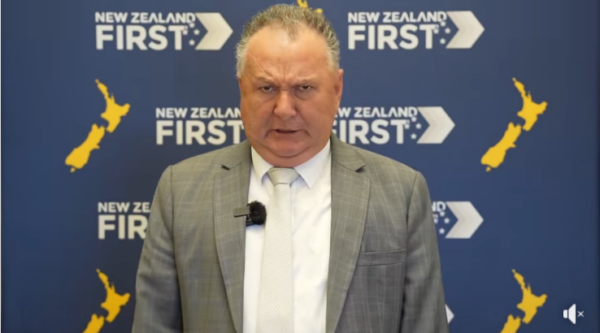
The recent decision by Shane Jones not to proceed with changes allowing the commercial retention and sale of marlin caught as bycatch has been widely welcomed across the recreational fishing community. After strong public opposition and a high level of submissions, the proposal was withdrawn.
That outcome matters. Public engagement worked, and a species long regarded as recreational-only remains so.
However, it would be a mistake to treat this episode as either a final victory or the central contest in fisheries reform.
Why marlin drew attention
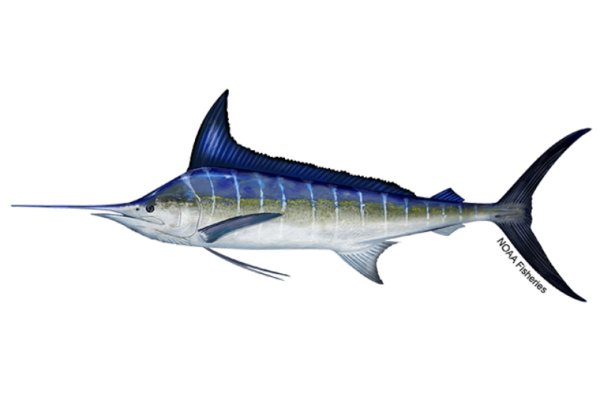
Marlin holds a unique place in New Zealand’s recreational fishing culture. It is a high-profile, iconic species, valued for the experience it offers rather than its volume or commercial worth. That visibility made the proposal immediately contentious and easy for the public to understand.
In that sense, the response was predictable - and effective.
But marlin also represents a small fraction of overall recreational fishing effort. Most recreational activity focuses on inshore species, particularly snapper, and on access to coastal and nearshore environments used frequently by ordinary New Zealanders.
That distinction is important.
The “sideshow” argument
Some commentators have suggested that the marlin proposal functioned as a distraction - a high-visibility issue that could be conceded with little material impact, while more consequential reforms proceed elsewhere.
This interpretation cannot be proven, but it is not unreasonable to approach future changes with caution.
In regulatory reform, visible concessions often reduce pressure, create a sense of resolution, and allow momentum to shift. That does not imply bad faith, but it does underline the need to distinguish between symbolic outcomes and structural change.
Why this moment still matters
Even if marlin was not the central issue, the episode revealed several important things:
- public concern for recreational fisheries remains strong
- people will engage when changes are clear and accessible
- recreational values extend beyond catch numbers to identity and place
- consultation processes can influence outcomes
Those signals matter - to government, to agencies, and to communities.
The real test lies ahead
The long-term shape of recreational fishing will be determined not by rare or iconic species, but by how everyday fisheries are managed. Allocation decisions, spatial controls, access rules, and consultation processes affecting inshore species will have far greater impact on participation, equity, and experience.
These are the areas where vigilance is required.
If reforms affect:
- snapper management
- access to nearshore fisheries
- recreational allowances
- the balance between commercial efficiency and public use
…then the consequences will be felt widely and immediately.
What CORANZ takes from this
CORANZ welcomes the decision to retain marlin as a recreational species. It demonstrates that public values can still influence policy.
At the same time, we are conscious that single decisions do not define a reform programme. Recreational access is shaped by cumulative change, not isolated outcomes.
Our focus remains on:
- sustainable access to outdoor environments
- evidence-based decision-making
- transparency in reform processes
- recognition of recreation as a legitimate and enduring public interest
A measured stance
The appropriate response to this moment is neither celebration nor cynicism, but attention.
Recreational fishing - like many outdoor pursuits - depends on trust that public resources are managed with care, balance, and foresight. That trust is strengthened not by symbolic wins alone, but by consistent outcomes that protect everyday access.
The marlin decision closes one chapter. It does not conclude the story.
CORANZ will continue to watch closely, engage constructively, and advocate for recreational values as fisheries reforms develop.
Ah Ha! It’s election year remember. Shane Jones like 99% of politicians will temper his usual rash, impetuous, theatrical style and obsession with exploitation regardless of the public – probably under instructions from NZ First leader Winston Peters – to pull a pre-election gimmick out of the hat.
The test will come AFTER election 2026. Watch what Jones -if elected – does then.
F.H. you’re just not quite correct. You say “Shane Jones – if elected.”
Shane Jones has never been elected.
Jones’ political career began in 2005 as a list MP for the Labour Party. 2008-11 he was a list MP, again list MP in 2011-2014, again list MP 2017-2020 and again list MP 2023 through to today.
Despite standing for electoral seats, he has never been elected.