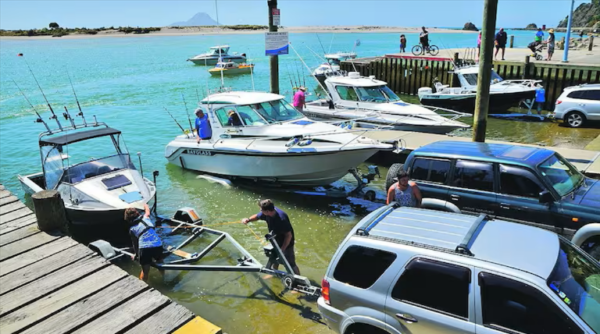
Fuel constraints expose an assumption that often goes largely unexamined. Much of New Zealand’s outdoor recreation depends on private vehicles, whether to reach trailheads, transport equipment, launch boats, or access remote backcountry areas. That system functions efficiently when fuel is readily available and affordable, but it becomes fragile when that assumption is disrupted. The issue is not participation, but whether access remains practical when mobility is constrained.

The underlying factor is distance. Many forms of recreation remain available close to where people live, including urban reserves, river corridors, coastal margins, and local walking and cycling networks. These spaces are often treated as secondary to destination-based experiences, yet they become primary when travel becomes limited. A recreation system built around distance risks becoming one that is uneven in who it serves when conditions change.
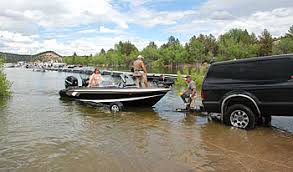
This introduces a question of equity. Those able to absorb higher fuel costs or travel longer distances will continue to access a wide range of opportunities, while others are restricted to what is nearby. For some, that may be sufficient. For others, it represents a narrowing of choice. The effect is more pronounced for disabled recreationalists, many of whom rely on vehicle access to reach locations that are safe, suitable, and accessible. When transport becomes constrained, access for these groups is reduced more quickly and more significantly.
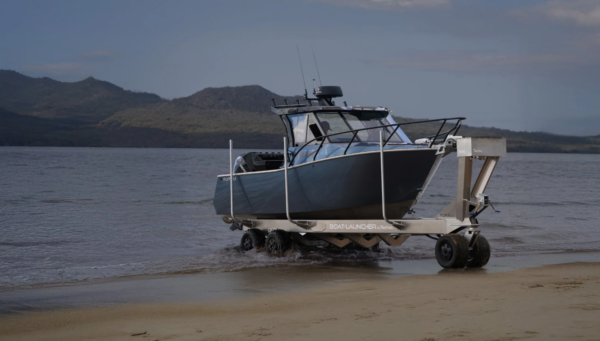
The issue is not confined to individuals. Many recreational activities depend on transport for their operation, including club events, group outings, and volunteer-led initiatives that maintain tracks, waterways, and facilities. Reduced mobility can affect not only participation, but the ability of organisations to function effectively. This has implications for the sustainability of recreation networks that rely on distributed, community-based effort.

This points to a broader question of resilience. Outdoor recreation systems that rely heavily on transport are inherently vulnerable to disruption, whether from fuel availability, cost pressures, or other constraints. A more resilient approach places greater emphasis on local, accessible, and well-maintained opportunities that can be reached without long-distance travel. This does not replace destination-based recreation, but it does provide a more stable foundation.
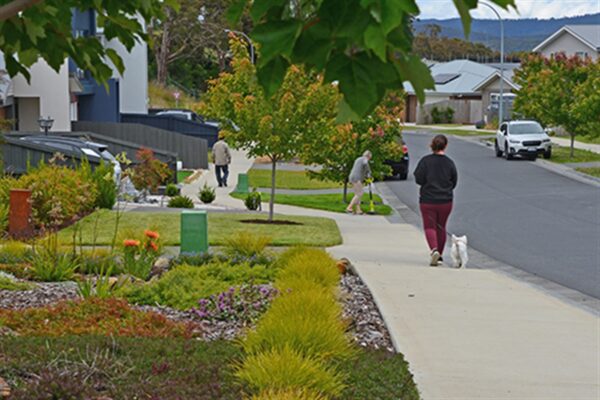
Fuel constraints may ease, but the underlying structure remains. If access depends primarily on travel, it is conditional. If it is supported by local availability and inclusive design, it is more robust.