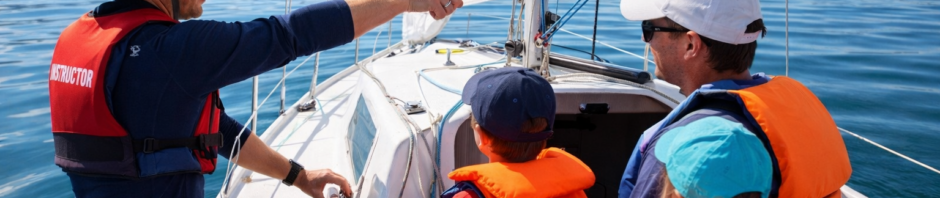
Recreational boating in New Zealand covers a wide range of everyday use of small boats on coastal and inland waters - from short trips in sheltered harbours to quiet days on lakes and rivers. It includes both powered boats and sailing craft, and is usually focused on access, enjoyment, and time outdoors rather than distance or performance.
For many households, boating is simply another way of reaching places that are otherwise difficult to access from land.
Why boating is so common in NZ
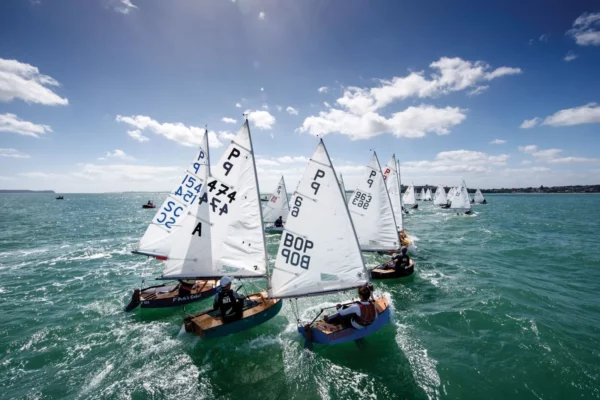
New Zealand’s geography makes boating unusually practical:
- Long, accessible coastline
- Sheltered harbours and bays
- Numerous lakes and slow rivers
- Easy trailer launching in many towns
As a result, boating often feels ordinary rather than specialised - but that familiarity can make it harder for newcomers to know where to start.
Power or sail: how people usually choose
Powered boats
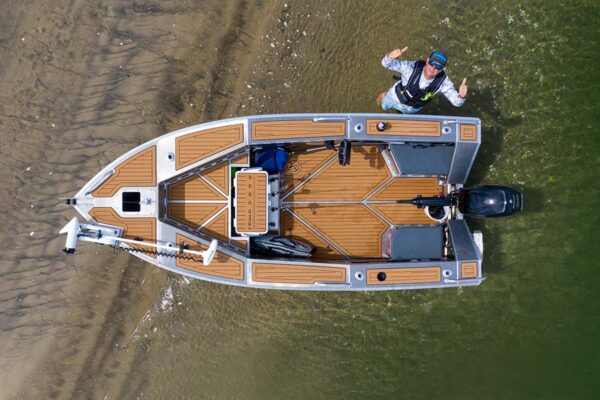
Powered boats are the most common starting point.
They are often chosen because they:
- Are easier to learn initially
- Allow predictable movement regardless of wind
- Suit fishing, family outings, and short trips
- Work well in sheltered coastal water and lakes
Small powered boats are frequently used close to shore, for short trips, and in calm conditions.
Sailing
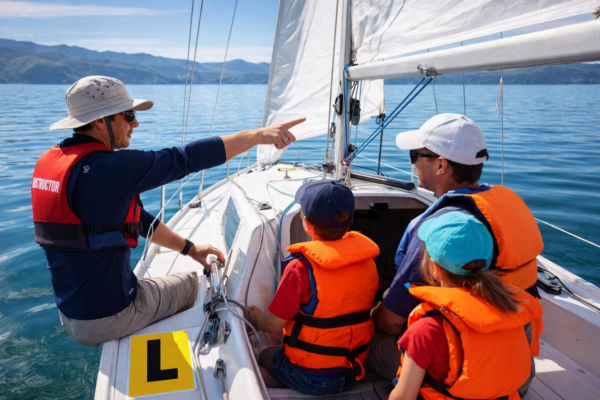
Sailing appeals to people who enjoy:
- Quiet movement
- Wind awareness
- Slower pace
- Learning through practice
Many people first encounter sailing through:
- Dinghy sailing
- Club-based learning
- Crewed trips with friends
Sailing generally has a steeper learning curve, but also a strong social culture around learning together.
There is no “better” option
Most New Zealand boaties will tell you:
- Power is practical and flexible
- Sail is quiet and skill-based
- Many people move between both over time
The choice usually reflects how and where people want to spend time on the water, not status or experience.
How people actually get started
Most people begin boating through:
- Friends or family already involved
- Small, informal trips rather than ownership
- Hiring or borrowing before buying
- Learning in sheltered water
Starting small and close to shore is normal - and encouraged.
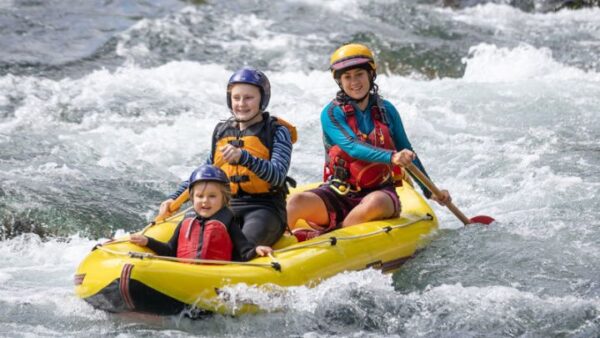
Learning and safety
Basic boating knowledge in NZ is often picked up informally, but structured learning is widely available.
One organisation many people encounter early is Coastguard New Zealand, which provides:
- Boating education courses
- Safety guidance
- Trip planning advice
Learning tends to focus on:
- Reading weather and conditions
- Knowing limits of craft and crew
- Wearing lifejackets appropriately
- Conservative decision-making
Access realities
Recreational boating depends on:
- Public boat ramps
- Safe launching areas
- Parking and rigging space
- Legal access to water
For small-boat users, local ramps and sheltered water matter far more than marinas or large facilities.
When access to ramps or shore margins is lost, casual boating is often the first activity affected.
Shared use
Boating waters are shared with:
- Swimmers
- Paddlers
- Fishers
- Other boats
- Wildlife
Most shared use is managed through:
- Courtesy
- Speed awareness
- Giving space
- Local knowledge
In sheltered areas, slower speeds and predictability matter more than size or power.
Who this suits
Recreational boating suits:
- Families and mixed-ability groups
- People wanting water access without swimming
- Those interested in fishing or coastal exploration
- Anyone comfortable learning gradually
Many people boat for years without travelling far or upgrading equipment.
Why recreational boating belongs as an Activity
- ✔ Strongly place-based
- ✔ Deeply normalised in NZ life
- ✔ Works on coast, lakes, and rivers
- ✔ Scales from casual to committed
- ✔ Relies heavily on public access
- ✔ Encourages water awareness and care
Boating is not about going fast or far. For most people, it’s about reaching water quietly and returning safely.
Editorial note
This activity pairs naturally with:
- Fishing
- Sheltered-water paddling
- Camping and caravanning
- Coastal Places articles
It reinforces a key idea running through the Activities category:
Many New Zealanders use boats the same way they use tracks or roads - as access, not as destinations.