
Ready to get a little closer to the water?
If you’ve ever sat beside a river with a cup of tea, cooked a barbecue on a lakeshore, or watched children throw stones into still water, you’ve already done most of the work. You’ve slowed down, lingered, and become comfortable in a place.
For many people, the next step isn’t bigger, faster, or more demanding. It’s simply closer.
River and lake swimming is one of the most natural progressions in outdoor recreation. It doesn’t require fitness, equipment, or identity. It begins with trust - in the place, in the conditions, and in yourself.
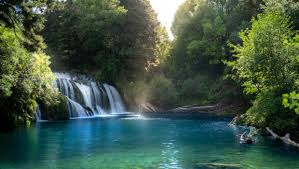
Not a sport - just a moment
Outdoor swimming isn’t about laps, endurance, or cold-water bravado. For most people, it’s a brief immersion: a wade, a float, a quick dip on a hot day.
That simplicity is its strength.
Unlike pools, rivers and lakes ask you to pay attention. You notice temperature. You notice current. You notice the feel of stones underfoot or mud between your toes. Swimming outdoors reconnects you with water as part of a landscape, not a facility.
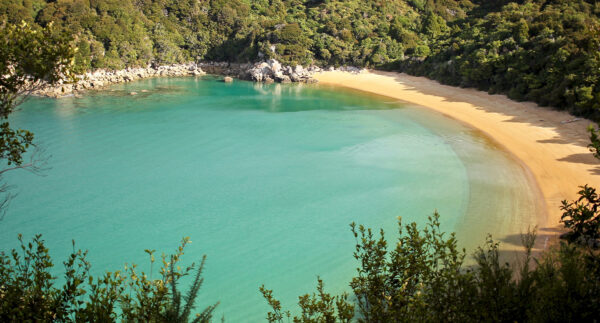
Choosing the right place
Confidence starts with choosing well. The best places to begin are often the least dramatic:
- Slow-moving rivers with wide, shallow edges
- Lakes with gently shelving shorelines
- Popular local swimming spots where use has established what works
Avoid steep banks, murky inflows, or places immediately downstream of heavy rainfall. Many regions now provide real-time water quality information - checking it is simply part of being an informed user.
The goal isn’t adventure. It’s ease.
Reading the water
One of the quiet skills of river and lake swimming is learning to read what’s in front of you.
Ask a few simple questions:
- Is the water clear enough to see the bottom?
- Is there visible flow or drift?
- Are there signs advising caution or closure?
- Are others already swimming safely?
If something doesn’t feel right, that’s information - not failure. Turning back is part of confidence, not a lack of it.
Care for yourself - and for others
Outdoor swimming is individual, but it’s never isolated.
A few basics matter:
- Enter slowly to acclimatise to temperature
- Swim parallel to shore, not out into open water
- Keep children within arm’s reach
- Avoid swimming alone if you’re uncertain
Rivers and lakes aren’t controlled environments. Respecting that is part of the experience, not a reason to avoid it.
Care for the place
Swimming outdoors is a privilege tied directly to water quality and access.
Simple habits make a difference:
- Avoid stirring up sediment in shallow margins
- Keep soaps, detergents and food waste out of the water
- Don’t disturb bird nesting areas or aquatic vegetation
- Leave entry points better than you found them
People who swim regularly tend to notice when something changes - algae, smells, reduced clarity. That awareness is valuable. It’s often recreationists who are first to see when a waterway is slipping.
Why this matters
River and lake swimming sits at a critical point in outdoor participation. It’s where passive enjoyment turns into physical engagement, but without the barriers of specialised activities.
When people swim outdoors, they:
- care more about water quality,
- notice access restrictions sooner,
- understand why management decisions matter,
- and build personal attachment to places.
That attachment is the foundation of stewardship. You don’t protect what you don’t use.
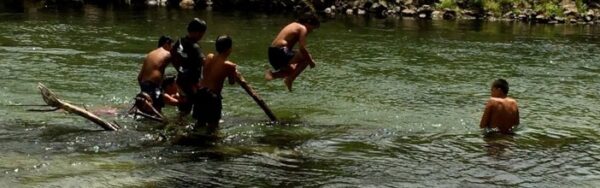
Not about pushing limits
This isn’t about daring people to go further, colder, or deeper. It’s about recognising that many of us are already halfway there - sitting by the water, watching, waiting.
Stepping in, even briefly, changes the relationship.
A river you’ve swum in feels different to one you’ve only walked past. A lake you’ve floated in carries memory, not just scenery.
The natural next step
River and lake swimming isn’t a destination. It’s a transition - from being outside to being part of a place.
If you’ve enjoyed eating by the water, resting beside it, or wandering its edge, you may already be ready. Not for something extreme, but for something slightly closer.
Sometimes the most meaningful step outdoors is only a few metres forward - and a few degrees cooler.