
You don’t need a new hobby, expensive gear, or a burst of fitness to get outdoors. Sometimes all it takes is moving something familiar out of the backyard and into a better place.
A barbecue is about as Kiwi as it gets. But it doesn’t have to be confined to a fence line and a concrete patio. Rivers, reserves, forests and beaches offer something the backyard never can: space, light, weather, and the simple pleasure of being somewhere else.
And the best part? You don’t even need to own a barbecue.
Start simple - really simple
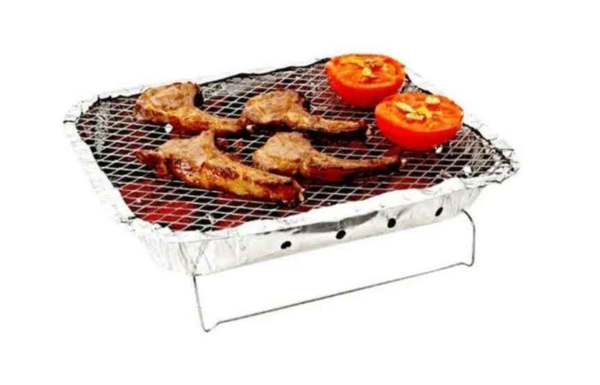
Single-use barbecues are widely available and cheap. Hardware stores like Bunnings Warehouse sell one-time barbecues for under $10, and other retailers carry similar options. They’re lightweight, self-contained, and easy to carry - ideal for a first attempt at cooking outdoors.
Pick up:
- a disposable barbecue,
- a packet of sausages or vegetables,
- some bread,
- and a bottle of water.
That’s it. No commitment. No learning curve. No intimidation.
If you enjoy it, you’ll do it again. If you don’t, you’ve lost little more than an evening.
Places that work well
Outdoor barbecuing doesn’t need to be adventurous to be rewarding. Some of the best spots are already well used and easy to access:
- Riverbanks
A slow-moving river with a gravel edge or grassy margin is hard to beat. The sound of water, room for kids to wander, and a sense of calm that lasts longer than the meal. - Parks and reserves
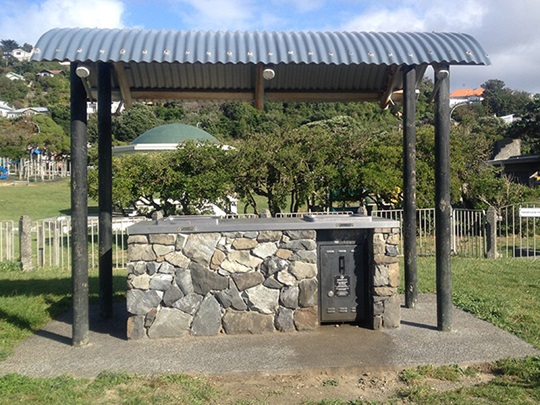
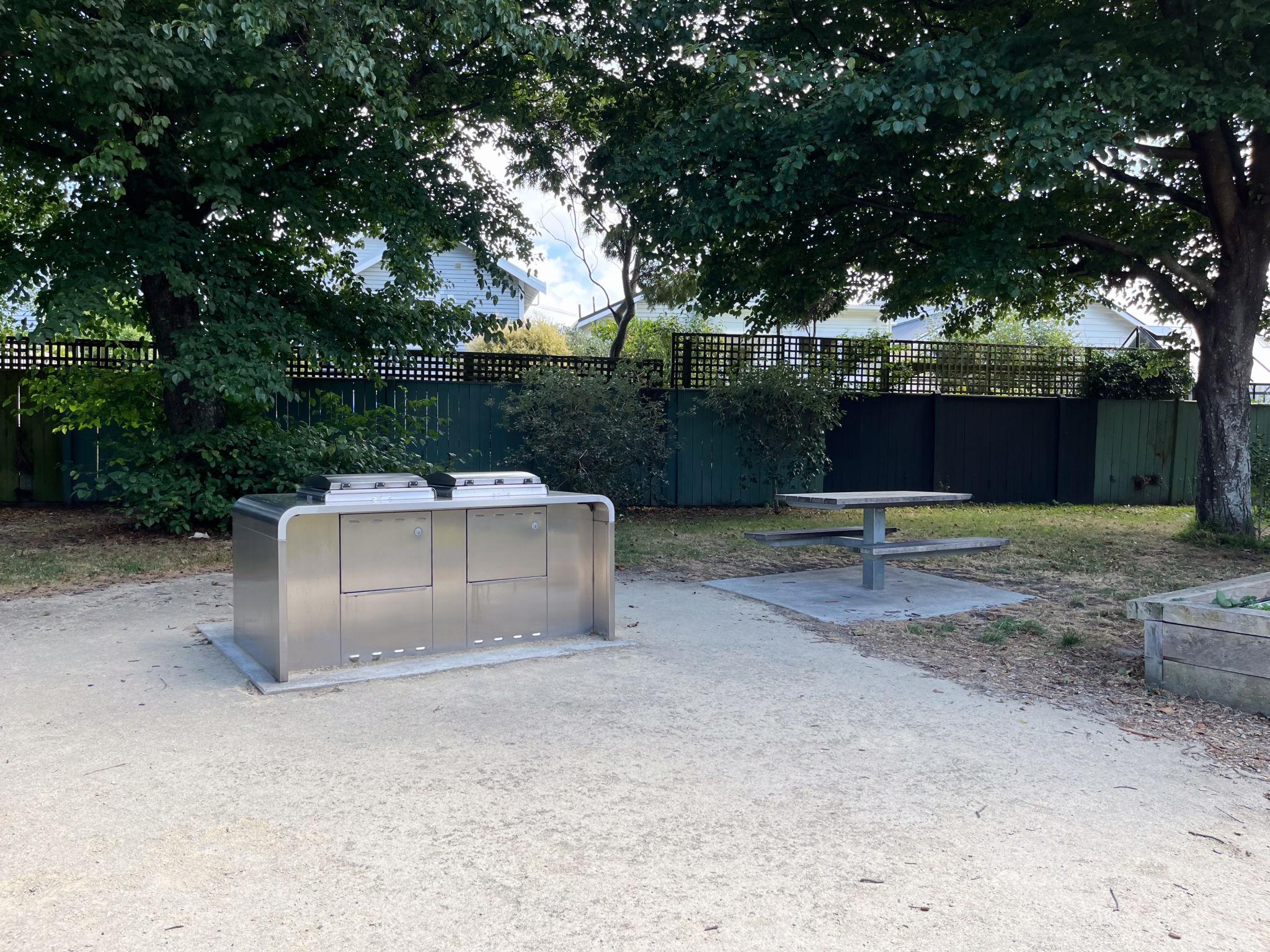
Many council and DOC sites already provide fixed public barbecues. Using them is a good way to ease into outdoor cooking without thinking about fire management at all. - Forests and picnic areas
Established picnic spots are ideal - just make sure fires are permitted. Forest settings tend to encourage lingering rather than rushing home. - The coast
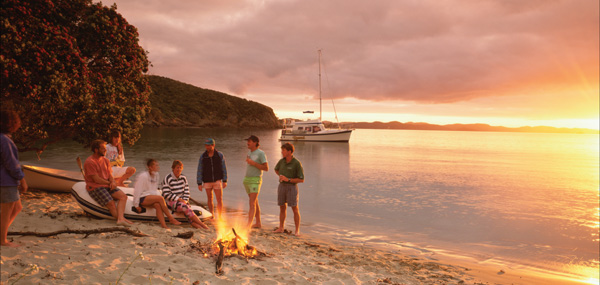
Beaches are a natural fit. Some people use driftwood where it is permitted, though this comes with extra responsibility. Wind, tide and location all matter here.
Wherever you go, the goal isn’t novelty - it’s simply eating somewhere better than usual.
A gentle introduction to being outside
What makes an outdoor barbecue such a good activity is that it doesn’t demand anything of you.
You don’t need:
- specialist clothing,
- fitness,
- confidence,
- or knowledge of the outdoors.
You just need to show up and stay a while.
That time spent sitting, watching, and waiting for food does something subtle. People notice the river level. They watch birds. They feel the wind shift. They begin to associate outdoor places with comfort rather than effort.
That’s how participation grows - not through exhortation, but through familiarity.
A few basics that matter
Outdoor barbecuing comes with responsibility, but it’s mostly common sense:
- Check fire restrictions
Fire bans are seasonal and local. Always check before lighting anything, especially in forests or on the coast. - Use stable surfaces
Disposable barbecues get hot. Keep them off dry grass, vegetation, or anything that can ignite. - Mind the wind
Coastal breezes can turn sparks into problems quickly. If it’s windy, rethink the plan or use a fixed barbecue. - Extinguish completely
This matters. Drown embers thoroughly with water and ensure everything is cold before leaving. Warm ashes are not “out”. - Leave nothing behind
Take all rubbish home - including spent barbecues. A good place should look unchanged after you’ve gone.
None of this is onerous. It’s simply part of sharing space well.
Why this matters for access
An outdoor barbecue might seem trivial, but it does something important: it builds attachment.
People who have cooked and eaten by a river or at a reserve are more likely to:
- care about water quality,
- notice when access is restricted,
- value public facilities,
- and understand why these places matter.
Outdoor recreation doesn’t begin with adrenaline or ambition. It often begins with food.
Not the backyard - something better
Taking a barbecue outside isn’t about making a statement. It’s about small shifts in habit. A meal eaten by a riverbank, in a forest clearing, or beside the sea lingers longer in memory than one eaten at home.
You don’t have to be “into the outdoors” to do this. You just have to be willing to try dinner somewhere else.
Start there. The rest often follows.