
Christchurch’s wastewater situation presents a clear example of what happens when infrastructure, regulation, and decision-making fall out of alignment. Faced with a failing treatment system and ongoing public complaints, one proposed response was to discharge tens of millions of litres of partially treated sewage into the ocean. That option may now be off the table, but the fact it was seriously considered raises a broader question about how such decisions are reached.
The issue is not whether action is required. The Bromley Wastewater Treatment Plant has been under sustained pressure since the 2021 fire, and the impacts on surrounding communities have been significant. Odour, system overload, and repeated breaches point to infrastructure that is no longer fit for purpose. In that context, urgency is understandable. However, urgency does not remove the need for proportionate response.
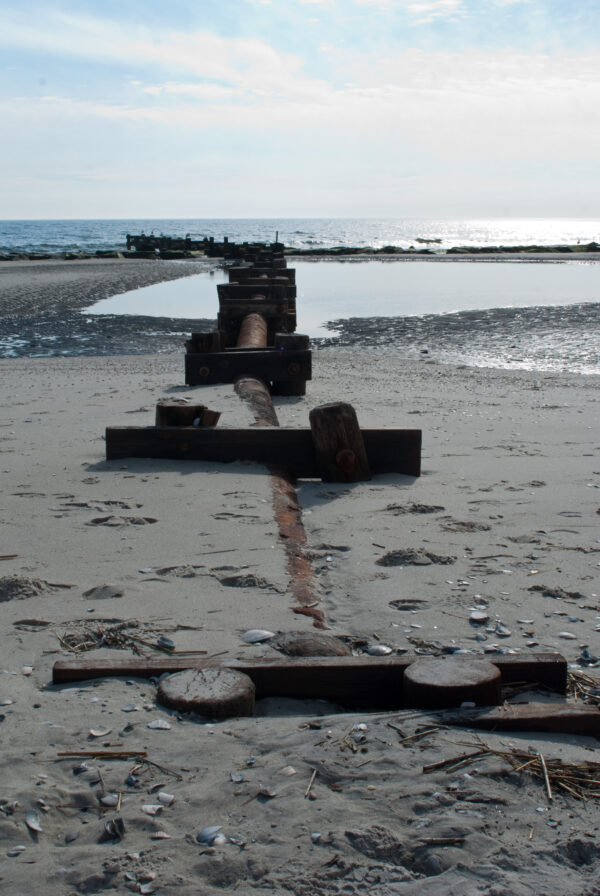
Discharging partially treated wastewater to sea relies on an assumption that dilution reduces impact. That approach has long been challenged, particularly where nutrients, pathogens, and chemical residues are involved. Coastal systems are not neutral receiving environments. They are biologically active and interconnected, and additional loading can alter those systems in ways that are not immediately visible but persist over time.
A useful comparison can be made with the Moa Point Wastewater Treatment Plant. There, discharges have typically occurred under extreme conditions where the system was overwhelmed and alternatives were limited. Christchurch presents a different situation. Here, discharge was considered as one option among several. That signals a shift. When discharge moves from emergency response toward planned contingency, it begins to change how decisions are framed and what is considered acceptable.
What is more revealing is how regulatory settings influence the options being considered. Council staff indicated that such discharge pathways are now possible under more relaxed national wastewater standards. When rules allow greater discharge, solutions that would previously have been unacceptable become technically permissible. The question shifts from whether something should occur to whether it can occur.
This returns to the issue of control. Decisions about wastewater discharge are made within institutional frameworks, yet the consequences are experienced by communities and environments with limited direct influence over those decisions. Those living near affected areas, and those who rely on coastal waters for recreation and food gathering, carry the outcome regardless of where the decision sits.
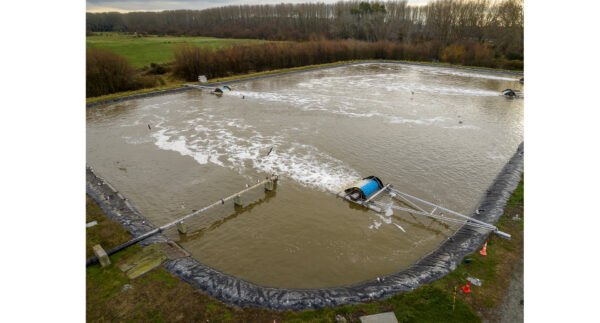
The alternative options now being advanced, such as increased aeration, show that less damaging approaches are available, even if they are partial or temporary. That indicates the initial proposal was not the only pathway, but one shaped by urgency, system limits, and regulatory scope.
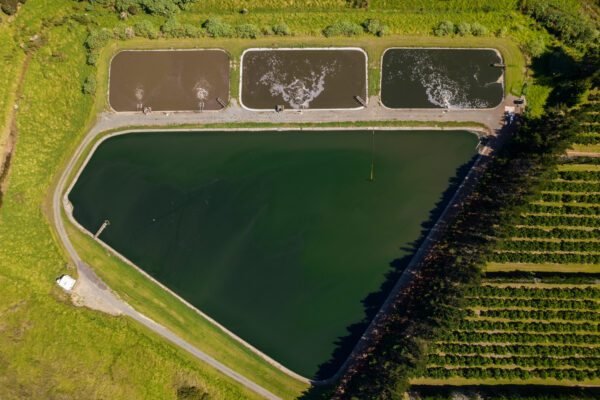
Across New Zealand, ageing infrastructure and constrained investment are increasing the likelihood of similar situations. When systems reach capacity, the pressure shifts from prevention to mitigation, and from long-term planning to short-term response. If discharge becomes an accepted part of that response, it no longer sits outside the system. It becomes embedded within it.