Closing the Hauraki Gulf fishery does not remove pressure - it moves it.
Guest Post by Dave Rhodes
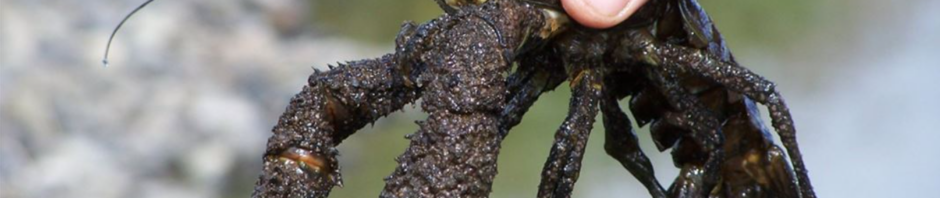
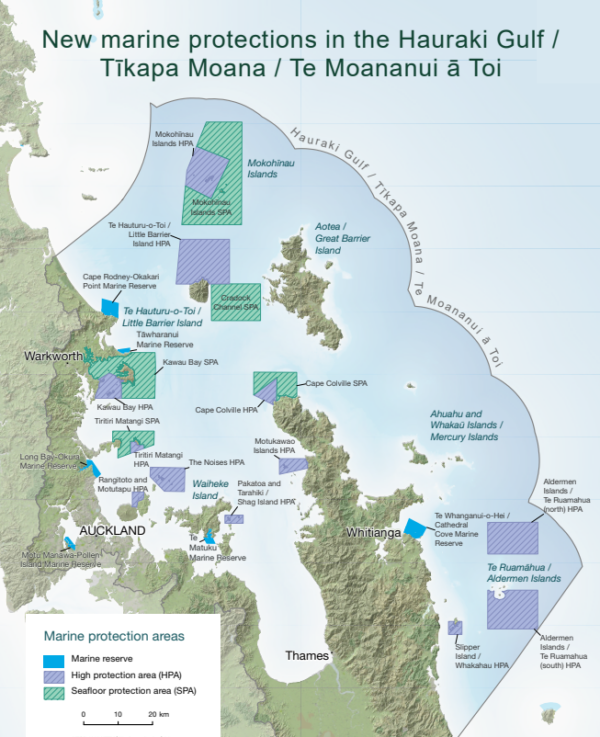
Concerns raised by residents of Aotea/Great Barrier Island, point to a sharp decline in kōura and increasing pressure on local fisheries. Recent closures across parts of the Hauraki Gulf were intended to protect depleted stocks. The immediate effect, however, appears to have been a shift in fishing effort into areas that remain open. That outcome is not unexpected, but it is significant.
What changes in this situation is not the total demand placed on the fishery, but where that demand is applied. Recreational and commercial effort does not disappear when access is restricted; it moves. For places like Great Barrier Island, this can mean a rapid increase in activity, particularly when alternative areas are limited. Taken together, closures and displacement reshape the pattern of pressure across the wider system.
This is compounded by other factors already affecting the fishery. Local accounts refer to recent cyclonic weather and its impact on marine environments, alongside concerns about illegal harvesting. Individually, these pressures may be manageable. Combined, they can reduce the resilience of local populations and accelerate visible decline.
In response, locally developed management approaches are being proposed. These include reduced bag limits, seasonal closures, size restrictions, and areas reserved for non-commercial use. Such measures reflect long-standing practices of managing harvest in line with local conditions. They also recognise that those closest to a resource often observe changes first.
The structural issue, however, sits beyond any single location. Managing one part of a fishery in isolation can produce unintended effects elsewhere if the system is not considered as a whole. Protection in one area can and will increase pressure in another, particularly where access remains open and enforcement is uneven. Without coordination, problems may be displaced rather than resolved.
The principle is straightforward. Fisheries operate as connected systems, and their management needs to reflect that connectivity. Local knowledge has a role, as do broader frameworks that account for movement of effort across regions. Balancing these is not simple, but it is necessary.
This is not about whether protection is needed. It is about how that protection is applied, and whether its wider effects are understood and accounted for.
It the local people that are responsible for there own demise, you can educate some, but in isolated communities like the Barrier, there will always eee many that won’t listen or don’t care, but these same people are the ones who cry first.
New Zealand still has a long way to go with regards to Fisheries management.
Tally’s Seafoods is warning Westport people of a likely closure of their fish processing factory jithere.
Likely cause will be over fishing. It’s time to stop an apportioning blame. and getting all sides around the table to find the best way forward.