Two days.
That is how long it took for Wellington’s south coast to shift from “open - use your judgement” to “unsuitable for swimming.”
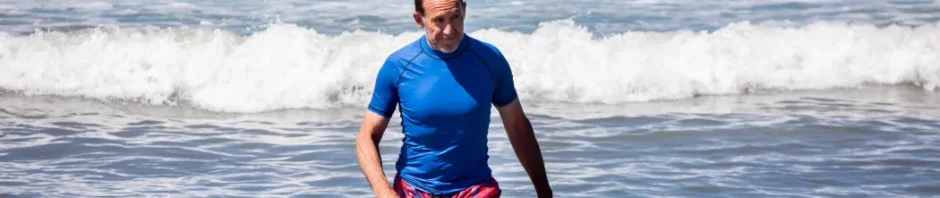
The mayor swam. Cameras rolled. The message was clear: monitoring showed risk was low and people could decide for themselves.
Then overnight rain fell.
LAWA updated its advice.
Much of the coast reverted to “unsuitable.”
No scandal. No conspiracy. Just shifting conditions.
But something more important is exposed here - and it isn’t about personalities.
It is about language, risk tolerance, and public confidence.
The Problem Isn’t Testing
The monitoring system appears to be functioning exactly as designed. Data changes. Advice changes. Rain elevates bacterial risk. That is standard practice in both rural and urban catchments.
The mayor himself stated that conditions could change rapidly. He advised checking LAWA before swimming. That advice was correct.
From a technical standpoint, nothing inconsistent occurred.
But from a public confidence standpoint, the optics matter.
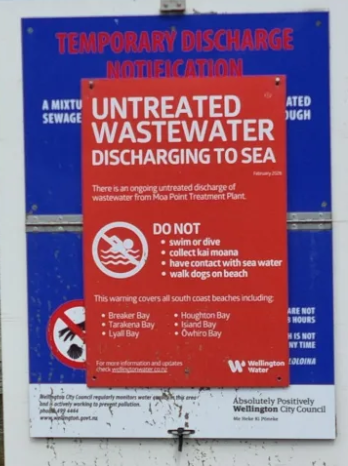
When tens of millions of litres of untreated sewage have entered coastal waters for weeks, public trust is fragile. A symbolic swim may reassure some, but it also raises the bar for clarity.
Because “low risk” is not the same as “restored system integrity.”
And recreational users know the difference.
Outdoor Users Understand Risk
Surfers, divers, fishers and swimmers are not naïve. They understand:
- Rain increases contamination risk
- Sediment stores bacteria
- Shellfish remain unsafe long after water clears
- Ocean systems disperse but do not instantly reset
Many south coast swimmers interviewed said they make their own calls after heavy rain. That is competence in action.
But competence requires information that is transparent, consistent, and plainly expressed.
When messaging shifts quickly, even if justified scientifically, it creates an impression of instability.
That perception is the real issue.
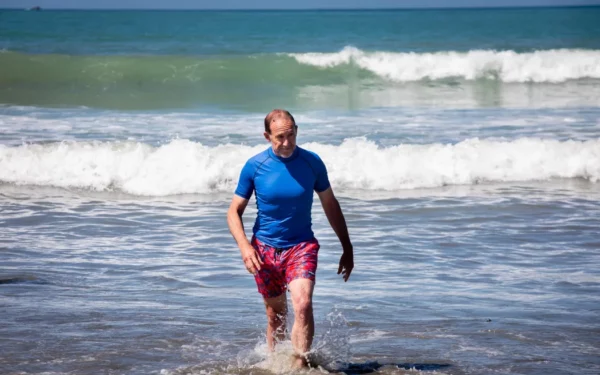
Image vs Infrastructure
The deeper question is not whether swimming was safe on Wednesday afternoon.
It is this:
Why did the Moa Point system fail so completely in the first place?
Infrastructure resilience is not a communications issue.
It is a systems issue.
And the public is still asking what caused the catastrophic failure, what redundancy was lacking, and what guarantees exist that it will not recur.
Until those questions are answered clearly, symbolic reassurance will always sit on shaky ground.
The Language of Risk
We have written before about terminology. “Untreated wastewater” softens what is plainly untreated sewage. Similarly, “low risk” can sound like “all clear” to some ears.
Outdoor recreation depends on clarity.
If a beach is safe under dry conditions but unsafe after rain, say so plainly.
If shellfish remain hazardous for weeks, emphasise it.
If infrastructure remains vulnerable, acknowledge it.
Public confidence grows from candour, not optimism.
The Principle
This is not about political point-scoring.
It is not about whether one swim was reckless.
It is about maintaining credibility when public health, recreation, and environmental stewardship intersect.
Clean water is not branding.
It is baseline.
When systems fail, the response must be measured, transparent and durable.
Outdoor communities can manage risk.
What they cannot manage is uncertainty disguised as reassurance.
And that is the distinction worth keeping clear.
Who Remembers Jaws?
Funny (peculiar) how failed politicians often become mayors of cities and towns.
It reminds me of Nick Smith then Minister of Environment, now mayor of Nelson, denying the Manawatu River was polluted and then swimming in it for a political a bit of theatre.