
Coranz Commentary
Reports that the Department of Conservation (DOC) is considering disposal of parts of the public estate should be treated seriously.
Public conservation land is not inventory. It is a long-term trust.
Outdoor recreation - fishing, hunting, tramping, camping, boating - depends on that trust remaining intact and durable.
If parcels begin to move into private ownership, even incrementally, international experience suggests the consequences are not easily reversed.
What International Litigation Shows
In parts of the United States, access to public land has become the subject of sustained litigation.
Disputes include:
- Stream access rights through private property.
- “Corner crossing” over checkerboard land patterns.
- Locked gates blocking historic routes.
- Attempts to limit public passage along water margins.
Many of these conflicts stem from fragmented ownership patterns dating back generations. But once fragmentation occurs, restoration becomes legally complex and expensive.
Incremental alienation creates cumulative effect.
New Zealand’s public estate has historically been more coherent. That coherence is an asset.
It should not be casually diluted.
Fragmentation Changes the Nature of Access
Access does not disappear only when land is sold outright.
It can narrow when:
- Marginal strips become isolated.
- Easements become contested.
- Practical routes become impractical.
- Buffer land protecting rivers and tracks is removed.
Public resource, public responsibility.
A parcel that appears administratively minor may hold strategic importance for access corridors, ecological buffering or future connectivity.
Once transferred into private ownership, leverage shifts.
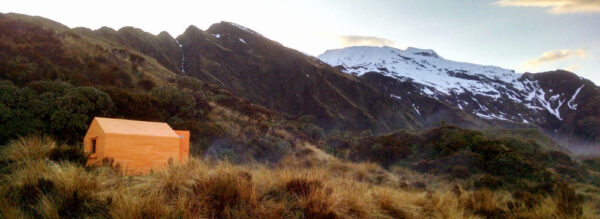
Ecological Integrity Is Linked to Tenure
Conservation land is not simply scenic. It protects:
- Headwaters.
- Catchment stability.
- Habitat continuity.
- River margins.
Rivers first.
Ecological limits are non-negotiable.
Where tenure changes, management incentives change. Even well-intentioned private stewardship operates under different pressures than public trust management.
Environmental decisions outlive Ministers. Land sales outlive news cycles.
The Litigation Path Is Not Hypothetical
Internationally, once access becomes contested, the process unfolds predictably:
- Initial disputes over gates or boundaries.
- Court cases clarifying interpretation of rights.
- Political campaigns to amend statutes.
- Long-term uncertainty for users.
Litigation is expensive. It polarises communities. It shifts recreation from routine activity into legal argument.
New Zealand has largely avoided this trajectory because public land has remained largely public.
That stability has value.
The Policy Question
This is not about opposing all land transactions in all circumstances.
It is about principle.
If DOC disposes of land:
- What is the long-term access implication?
- What is the ecological implication?
- What is the strategic implication for corridor integrity?
- Is the sale genuinely neutral - or cumulatively erosive?
Evidence before emotion.
Proportionate response.
Site-specific realities matter.
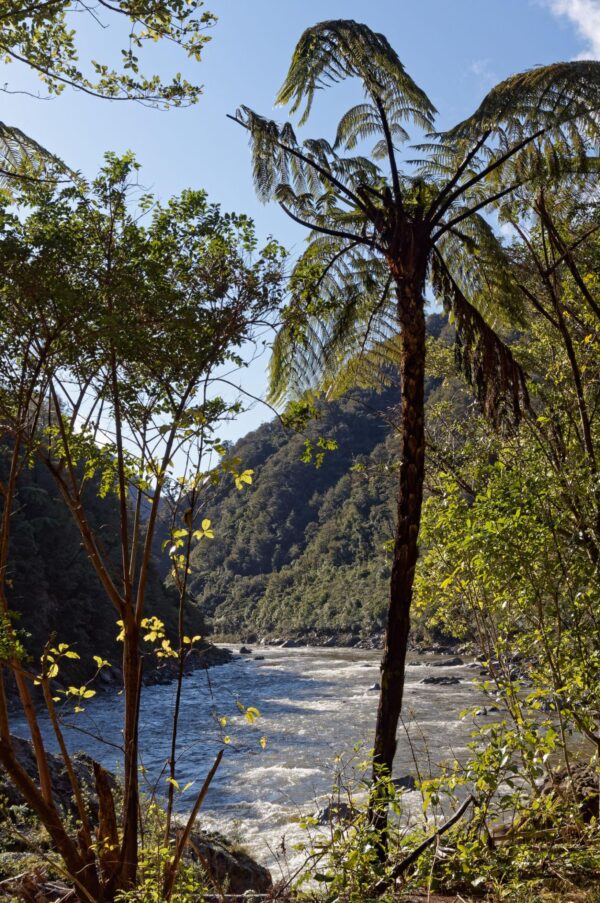
The Risk of Incrementalism
Large disposals attract scrutiny. Small disposals often do not.
Yet incremental fragmentation can reshape landscapes over time.
Outdoor recreation thrives on continuity - continuous catchments, continuous corridors, continuous public tenure.
Fragmentation weakens that continuity.
Regulation should not replace competence. But tenure fragmentation eventually forces regulatory complexity.
A Durable Standard
CORANZ represents a broad spectrum of outdoor users across many sporting codes. We do not engage in partisan campaigning.
But we stand firmly on this principle:
Public conservation land should remain public unless there is a compelling, demonstrable, long-term national interest that enhances - not diminishes - access and ecological integrity.
Short-term fiscal convenience is not sufficient.
Public land is not surplus.
It is entrusted.
And once fragmented, restoration is rarely simple.
That reality deserves calm, sustained attention.