
Commentary by Andi Cockroft, Chair, CORANZ
Overseas headlines suggest sweeping restrictions on PFAS - a group of persistent synthetic chemicals used in waterproofing and stain resistance. Europe is moving toward broad phase-outs across multiple product categories. Several US states are doing the same.
In New Zealand, the position is more measured.
There is currently no ban on PFAS-treated outdoor clothing or technical gear.
That is an important distinction.
What Is Being Regulated
The focus domestically has been on environmental contamination pathways rather than consumer apparel.
The Environmental Protection Authority (EPA) has:
- Moved to phase out PFAS in firefighting foams.
- Announced restrictions on PFAS in cosmetics.
- Increased scrutiny of hazardous substance approvals.
These measures target high-risk discharge sources - particularly those linked to groundwater and drinking water contamination.
They do not currently extend to waterproof jackets, breathable membranes or treated outdoor textiles.
Why PFAS Are Used in Outdoor Equipment
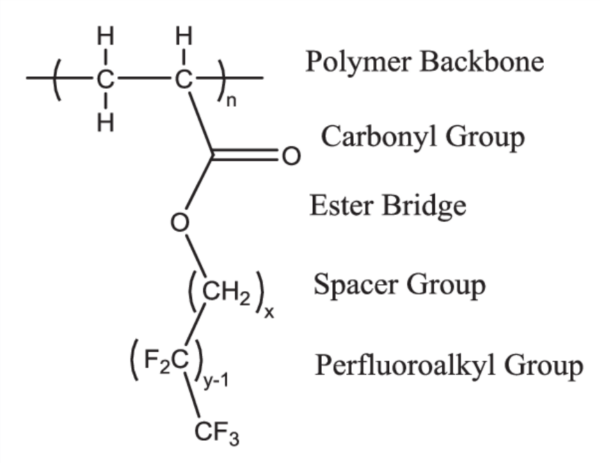
PFAS-based durable water repellent (DWR) treatments have historically provided:
- High water resistance.
- Breathability in alpine conditions.
- Long service life under abrasion and exposure.
For hunters in extended rain, trampers in alpine terrain, anglers in winter conditions and mountaineers facing wind-driven sleet, reliable waterproofing is not aesthetic. It is functional.
Competence includes proper equipment.
Safety matters.
The Environmental Concern
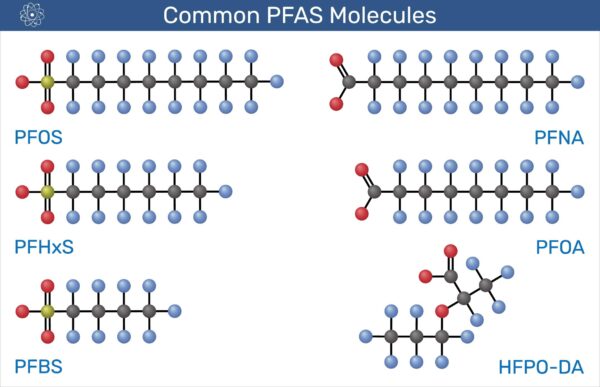
PFAS compounds are persistent. Some accumulate in waterways and biota. Manufacturing discharge and disposal are the principal concerns.
Rivers first.
Ecological limits are non-negotiable.
That principle applies whether the contamination source is industrial discharge, landfill leachate or legacy foam use.
The question is not whether environmental protection matters. It does.
The question is how transitions are managed.
International Developments May Shape Supply
Even without direct domestic regulation, New Zealand markets may shift.
If European textile restrictions proceed, global manufacturers may standardise PFAS-free treatments. Outdoor retailers here would see change regardless of local law.
Alternatives are emerging. Some perform well. Others may have shorter service lives or different performance characteristics.
Durability is environmental stewardship. Gear that lasts longer reduces manufacturing demand and waste.
Evidence before emotion.
What Recreationists Should Watch
At present:
- There is no prohibition on PFAS-treated outdoor gear in New Zealand.
- There is no mandatory consumer labelling specific to PFAS in apparel.
- There is no announced timeline for textile bans.
However, future consultation could expand chemical controls. Outdoor communities should engage calmly in such discussions.
Key principles for that engagement:
- Safety-critical applications must be recognised.
- Life-cycle impacts should be assessed, not just chemical persistence.
- Transition timelines should be realistic.
- Proportionate response should guide regulation.
Avoid absolutes.
A Design Challenge, Not a Culture War
Chemical regulation often becomes polarised. It need not be.
Outdoor recreation depends on two foundations:
- Ecological integrity of rivers, forests and coasts.
- Competent, well-equipped participants able to manage risk.
Both matter.
New Zealand’s current regulatory approach is focused on high-risk contamination sources. That position is measured.
If future restrictions extend into technical apparel, the conversation should remain grounded in evidence, safety and durability.
This is not about defending chemicals. It is about designing policy that protects waterways without compromising the safety of those who responsibly use the outdoors.
Balance is possible.
It is worth maintaining.
The old plastic Line 7 rain coats and leggings were waterproof and windproof, got a bit sweaty underneath though.