
The Government’s decision to withdraw the proposal allowing commercial operators to land and sell undersized fish is a welcome correction.
It is also only a partial victory.
Public pressure worked. Recreational fishers, advocacy groups, and ordinary New Zealanders made their voices heard. The Prime Minister intervened. The minimum size proposal has been pulled back.
But no one should mistake a tactical retreat for structural reform.
The Fisheries Amendment Bill remains on the table. And many of its most troubling provisions remain intact - expanded discard flexibility, reduced transparency around onboard monitoring footage, increased quota carry-forward allowances, and constraints on legal challenge.
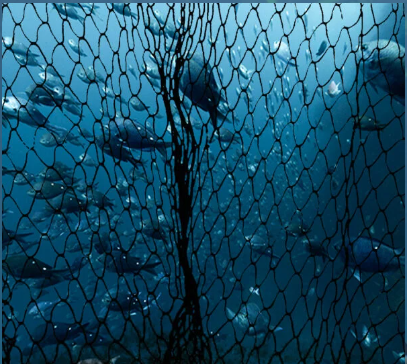
The minimum size clause was the lightning rod. Removing it reduces the immediate outrage. It does not resolve the deeper concerns.
Recreational fishers should not be fooled into thinking the job is done.
This episode demonstrates something important: fisheries policy is politically sensitive. The Prime Minister would not have intervened had the issue not gained traction. That tells us public engagement still carries weight – especially in this an election year.
It also tells us that vigilance works.
But vigilance cannot fade at the first concession.
The central question has not changed: who ultimately controls New Zealand’s fish?
Fish are a public resource held in trust. Quota provides access within limits. It does not transfer ownership of the biological system. Any legislative reform must strengthen stewardship, not weaken oversight.
The Bill, as drafted, still shifts practical leverage toward quota holders and reduces public visibility into how decisions are made. That is why confidence in the reform process has been fragile.
Removing one controversial clause does not rebuild that confidence.
The Select Committee process now becomes critical. Submissions must be made. The remaining provisions must be scrutinised. Transparency must be defended.
This is not a partisan issue. It is not a personality contest. It is about maintaining durable safeguards around a shared resource.
The pressure that forced this partial retreat must remain.
Policy shaped in the shadows rarely improves in daylight without sustained scrutiny. If the public disengages now, the structural elements of the Bill will pass with little debate.
Recreational fishers have shown that coordinated, informed advocacy can influence outcomes. That lesson should not be forgotten.
This moment should be seen for what it is: a reminder that Parliament listens when the public speaks loudly enough.
But listening once is not the same as fixing the problem.
The fight for transparent, fair, and biologically sound fisheries management is not over.
It has only entered its next stage.
Your article underlines the importance of eternal vigilance. Eternal is the key word. Politicians like Shane Jones with his close past and present association to the commercial corporate fishing companies will get away with returning favours to the corporate mates.
The public must jump on any shennigans. The public should have killed the Fast Track Approval Bill in its tracks. It is shocking undemocratic law. A famous quote is “eternal vigilance is the price of liberty.”
Here is a quote to match Thomas Jefferson’s one about “eternal vigilance is the price of liberty.”
Theodore Roosevelt said “The things that will destroy America are prosperity-at-any-price, peace-at-any-price, safety-first instead of duty-first, the love of soft living, and the get-rich-quick theory of life.”
Shed the apathy which afflicts far too many people.
There are over one million saltwater recreational anglers, a very powerful voting bloc.
The whole validity around Shane Jones as a Minister of Fisheries needs questioning.
Full credit to Matt Watson and others and to Legasea. Every anglers should link up to Legasea and support them.
This whole debacle makes me wonder if Shane Jones is lining himself up for a “shock jock” job alongside Mike Hoskings once the coalition is defeated.