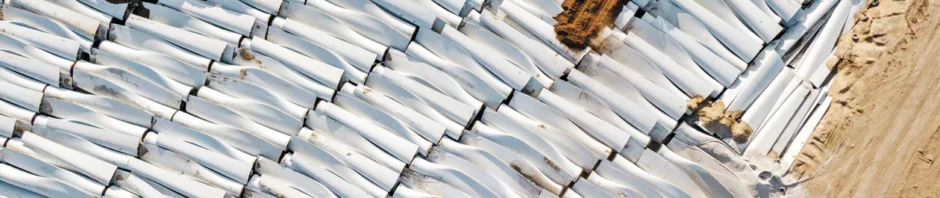
Electronic waste - often shortened to e-waste - is quietly becoming one of the fastest-growing waste streams in the world. It rarely features in public debate about land use or outdoor environments, yet its impacts are physical, place-based, and increasingly unavoidable. For outdoor recreation interests, this matters not because of where technology comes from or why it is adopted, but because its end-of-life footprint ends up somewhere - and that “somewhere” is often land, water, and landscapes people use and value.
CORANZ does not take positions on energy systems, consumer technology, or industrial policy. Our concern is much simpler and more practical: what happens on the ground when large volumes of modern electronic and composite materials reach the end of their useful life.
A growing, complex waste stream
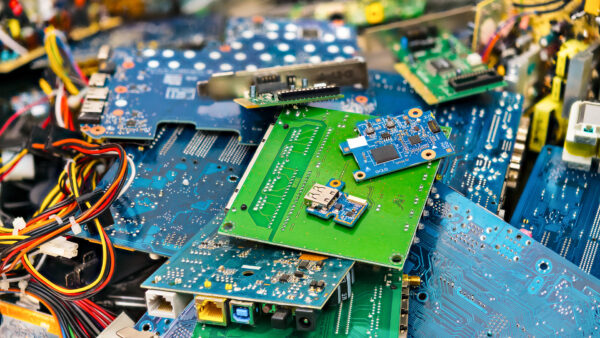
Unlike household rubbish, e-waste is not uniform or easily managed. It includes everything from phones, batteries and appliances through to large-scale infrastructure components such as solar panels and wind-turbine blades. Many of these materials are:
- chemically complex
- difficult or expensive to recycle
- long-lived in the environment
- poorly suited to existing landfill systems
In practical terms, this means disposal options are limited. Recycling capacity often lags far behind generation rates, and in many cases landfilling remains the default outcome - not because it is ideal, but because it is available.
For recreation users, the relevance is immediate: landfills, waste transfer stations, storage sites, and processing facilities are place-specific. They occupy land, influence catchments, and shape access decisions.
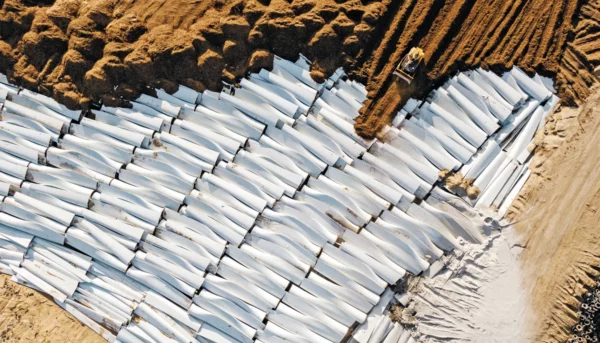
Wind turbine blades: a visible example
One of the most striking examples of emerging e-waste is the disposal of wind-turbine blades. These blades are large composite structures made from fibreglass and resins designed for strength and longevity. Those same properties make them extremely difficult to recycle.
Internationally, retired blades are increasingly:
- stockpiled in dedicated facilities
- cut into sections and buried in specialist landfills
- stored long-term pending future recycling solutions
Regardless of views on wind generation itself, blade disposal illustrates a wider point: some modern materials do not fit neatly into existing waste systems. When disposal becomes necessary, rural and peri-urban land is often where solutions are sought, because space is available and land values are lower.
From a CORANZ perspective, this raises familiar questions:
- How close are these facilities to recreation areas?
- What are the implications for access, landscape values, and neighbouring land uses?
- Are cumulative effects being properly considered?
These are not abstract concerns - they are the same questions raised whenever any new land-use pressure emerges.
Water, soil, and unintended exposure
E-waste is also a water and soil issue. Many electronic components contain heavy metals and other substances that, if poorly managed, can migrate into surrounding environments. While regulation and modern landfill design reduce risks, they do not remove them entirely - especially where systems are under strain or materials were never designed with disposal in mind.
Recreation users are often among the first to notice changes:
- water clarity
- unusual residues
- access restrictions
- precautionary warnings
Swimming, fishing, paddling, dog walking, and camping all rely on confidence in the surrounding environment. When contamination risks emerge, recreation is usually curtailed first.
The rise of “fast tech”
Alongside large infrastructure components sits a quieter but equally important trend: short-life consumer electronics. Cheap gadgets, novelty devices, disposable batteries, and low-cost accessories are increasingly treated as throwaway items. Individually small, collectively they add up to significant volumes of waste that are difficult to recover and rarely repaired.
This culture mirrors challenges already familiar to recreation advocates:
- disposable gear
- loss of repair skills
- products designed for replacement, not longevity
From an access and land-use perspective, the outcome is the same: more material moving through waste systems, more pressure on disposal sites, and more competition for suitable land.
Why this matters for recreation interests
CORANZ’s interest in e-waste is not ideological. It is practical.
Electronic waste:
- occupies land
- influences where facilities are sited
- affects water and soil quality
- can restrict access or change how landscapes are used
These impacts are cumulative and often incremental, which makes them easy to overlook until they become entrenched. By the time a disposal site is proposed or expanded, recreation values can already be marginalised in planning processes.
Questions worth asking - without taking sides
A neutral, constructive discussion does not require agreement on technology pathways. It requires asking grounded questions such as:
- Where is electronic and composite waste going?
- How is site selection affecting recreation landscapes and access routes?
- Are long-term liabilities being fully considered at the local level?
- Are recreation users being meaningfully consulted when disposal or storage sites are proposed?
These are governance and planning questions, not political slogans.
Looking ahead
Electronic waste will continue to grow, driven by multiple forces - economic, technological, and cultural. Whether that growth is rapid or gradual, its physical footprint will be real.
For CORANZ and its members, the priority is ensuring that:
- recreation values are visible in land-use decisions
- access is not quietly eroded by cumulative waste pressures
- environmental risks are identified early, not after the fact
E-waste may be an issue few people talk about, but for those who spend time outdoors, its consequences are increasingly hard to ignore.
Prepared with editorial assistance and reviewed prior to publication.
The more the world population increases so to will the waste mountain increase
It seems there might be silver in them there hills
Scientists extract silver from e-waste using cooking oil
New research shows how fatty acids in cooking oil can safely dissolve and recover silver from circuit boards without harmful chemicals or environmental damage.
https://www.foxnews.com/tech/scientists-extract-silver-from-e-waste-using-cooking-oil