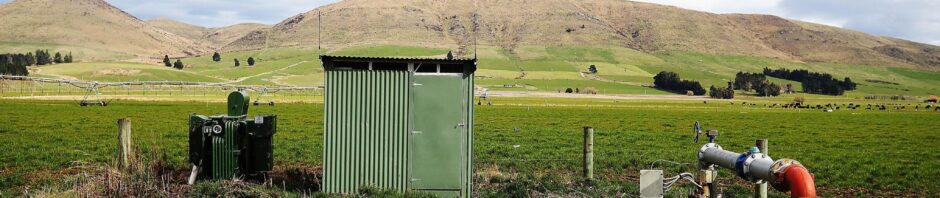
A recent media report summarising the Our Freshwater 2026 findings presents a familiar picture. Some indicators are improving, others are worsening, and overall trends remain mixed. The immediate reaction has been predictable, with terms such as “sobering” and “bleak” used to describe the results. That may reflect genuine concern, but it does not explain why these patterns persist.
The report itself is clear on one point. Freshwater systems are shaped by multiple pressures acting together over time, including land use, contamination, abstraction, and wider environmental change . Groundwater results underline this, with a significant proportion of monitoring sites exceeding acceptable levels for E. coli or nitrates at least once in recent years. Nearly half of New Zealand’s river length is also deemed unsafe for recreation at times. Taken together, these are not isolated issues but system-wide signals.
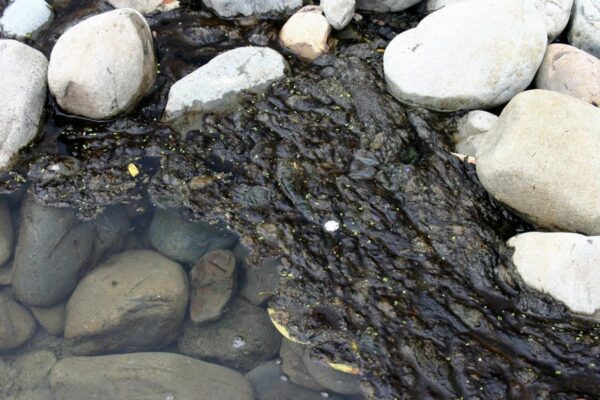
What changes here is not simply water quality in specific locations, but the overall responsiveness of the system. Long-term monitoring has been in place for years, and the pressures identified are not new. Yet improvements remain partial and uneven, while deterioration continues elsewhere. Individually, each issue can be addressed. Taken together, they reveal a system that is not adjusting at the pace or scale required.
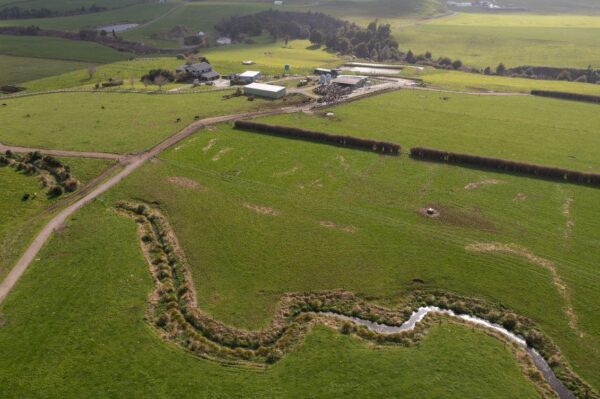
This raises a structural question. If the drivers are well understood, why do the outcomes remain broadly unchanged? Part of the answer lies in how responses are framed. Measures are often applied in isolation, targeting individual pressures or locations. That may produce local gains, but it does not necessarily shift the wider system. Freshwater does not respond in segments, and improvements in one area can be offset by decline in another.
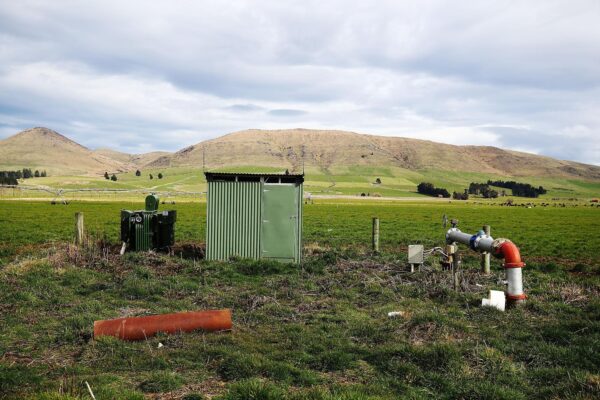
There is also a time dimension that is easily overlooked. Groundwater systems, in particular, respond slowly. Contaminants introduced years or decades ago continue to move through aquifers long after the original source has changed. This means current conditions often reflect past decisions, while today’s actions may not show measurable results for years. That lag complicates both policy and perception.
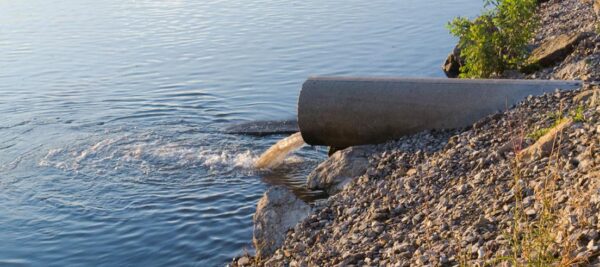
The principle is straightforward. Freshwater is a public resource shaped by cumulative use, and its condition reflects how well that use is managed over time. Addressing single pressures in isolation will not resolve system-wide decline. A more integrated approach is required, one that recognises how multiple influences interact and persist.
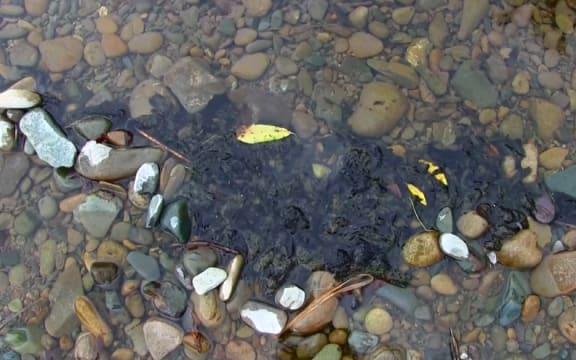
This is not a question of whether the issues are known. They are. The issue is whether the response matches the structure of the problem.
It was a major issue in 2017 and “She Who Must Be Obeyed” (Jacinda Ardern, newly elected PM) said to voters we will fix the degradation of rivers.
They didn’t.
It was a hollow promise.
Nor did they fix it in the next 6 years.
Not only did the Coalition government that then came to power (or should it be serve?) in 2023 election. It twas quite the opposite.
NZ First’s Shane Jones and National’s Chris Bishop said Labour left us in the financial mess, we need more exports so it’s onwards full speed ahead and to hell with the voting public. Both don’t remember the ballooned debt under National’s John Shrugitnov Key.
Who needs people? Only the people’s votes at election time otherwise full steam ahead with mining minerals, sucking water from rivers to get more cows etc., – in other words export, more and more.
Thus the Fast Track Approvals Bill was stampeded through Parliament. Select committee process tossed aside.
But the Greens will stand up?
No show kiddo, the Greens have discarded the environmental sowings by Greens of yore – Rod Donald, Ruussel Norman and Jeanette Fitzsimmons. The Greens today are no longer the saviour, the champion for the environment; the Greens today have been afflicted by woke and a desire to socially engineer the people.
So the next few months are when people have a brief possession of power because MPs need votes – it’s their life blood.
So it’s up to no political party in Parliament. They have spurned responsibility.
But if the people shout and yell and the politicians see votes judging by the clamour from the people, then it might be a big election issue.
The next half dozen or so months will tell.
It is over to you and me.
No room for selfish apathy, indifference or inertia.
Freshwater decline is often framed as a series of individual issues, but the evidence points to something broader. Multiple pressures-land use, contamination, abstraction, and time-interact in ways that are not easily separated. Monitoring has improved our understanding, yet system-wide responses remain uneven and slow. This is not a failure of information, but of alignment between what is known and how action is applied. Rivers and aquifers respond as connected systems, not isolated parts. Recognising that changes the question from what to fix first, to whether the overall approach reflects the structure of the problem.
Nothing to see here folks, Move along. This is not new information; it is a familiar pattern.
What a great comment by D J Dingwall.
All over the place, from the popular culture to the propaganda system, there is constant pressure to make people feel that they are helpless, that the only role they can have is to go along with politicians’ decisions and to consume and join the materialistic short sighted march. Well we’re not helpless!
Well of political parties in Parliament, who is going to stand up for the people and public property of drinkable water and fully flowing, clean rivers?
The public needs to stand up and stop being cowered by the likes of Shane Jones and Chris Bishop.
While our access remains, usability is increasingly conditional.
This groundwater report reminds us that consequences arrive later than deeds.
Just because we see improvement in one place it does not offset decline elsewhere.
No single pressure or undertaking explains this, but all of them contribute to a massive decline.
We measure extensively, publish endless reports yet outcomes shift slowly – and in the wrong direction.
It’s important that (a) we don’t trust M.P.s to sort it, and (b) we don’t get put off by the enormity of it. As somebody more famous than me once said “You can eat an elephant if you do it one mouthful at a time” or something similar. Take on one issue each and we can beat the bastards.