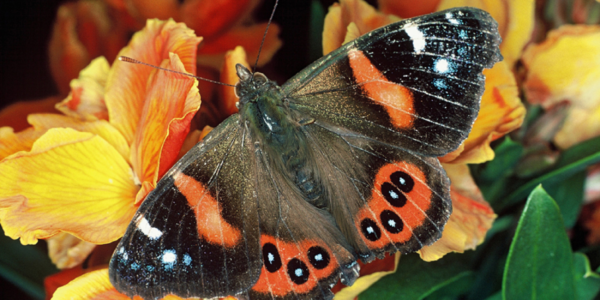
Most people notice it first in simple ways. Fewer butterflies in the garden. Fewer insects striking the windscreen after a long drive. These are not measured observations, but they are widely shared. They point to something changing, even if the cause is not immediately clear.
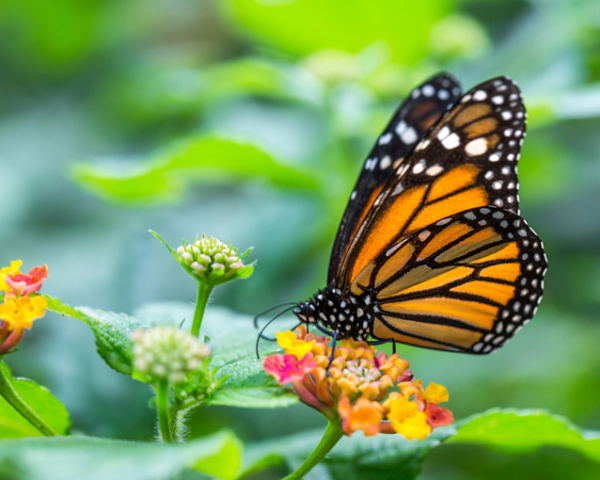
A recent report highlighted by Radio New Zealand suggests butterfly numbers have declined significantly over the past decade, with introduced wasps identified as a likely driver. That may be part of the picture. Taken on its own, however, it is unlikely to explain the full extent of what is being observed. No single pressure operates in isolation across a system as complex as this.
What appears to be emerging is a broader shift in invertebrate life. Butterflies are visible, but they sit within a much wider base of insects and soil organisms that are less often seen. Changes in land use, habitat simplification, introduced species, and chemical pressures all interact over time. Individually, each may seem manageable. Taken together, they alter the balance of what can persist.
Invertebrates sit at the base of multiple food chains. Birds, lizards, and freshwater species rely on them directly or indirectly for food, particularly during breeding cycles. A reduction at this level does not remain contained. It changes what is available higher up, often gradually and unevenly, but with real consequences over time.
Some of these changes are not visible at all. New Zealand’s native earthworms, for example, are less competitive in modified soils and are often displaced by introduced species in pasture and garden environments. This does not mean they disappear entirely, but it does reflect a shift in the composition of the system. What lives below the surface changes first, long before it is widely noticed above it.

There is also a tendency to look for single explanations. Wasps are one pressure and, in some places, a significant one. But focusing too narrowly risks overlooking the cumulative effects of habitat change, land management practices, and wider environmental pressures. Systems rarely shift for one reason alone.
The question is not whether these changes can be reversed quickly. It is whether they are recognised early enough to be understood properly. What people notice - fewer butterflies, quieter summers, cleaner windscreens - are signals. They arrive later than the processes that produce them, but they are still signals worth paying attention to.