
Freshwater fishing in New Zealand often begins at the water’s edge: from a riverbank, bridge, jetty, or lakeshore. It is usually done with simple tackle - a rod, line, hook, and bait or lure - and does not require wading, boats, or specialist techniques.
This form of fishing is widely practised and is often people’s first contact with freshwater recreation.
How people actually do it
- Short visits: an hour after work, a morning stop, or part of a day out
- Minimal equipment
- Little physical demand beyond walking and standing
- Often combined with picnicking, camping, or travelling
Many people learn informally, through family or friends, rather than formal instruction.
Where it happens
This activity typically takes place:
- Along river margins
- From bridges and formed access points
- Around lakes, canals, and reservoirs
- Near campgrounds and road ends
These are places where public access matters most, because fishing depends on being able to reach the water, not on exclusive facilities.
Access realities
Most freshwater fishing of this kind relies on:
- Legal river margins
- Roadside access points
- Walkable banks
- Informal parking and short tracks
Loss of these access points often ends fishing opportunities even when the water itself remains healthy.
Shared use
These areas are commonly shared with:
- Walkers and families
- Campers
- Other anglers using different methods
- Local residents
Good practice is largely informal and based on courtesy rather than rules.
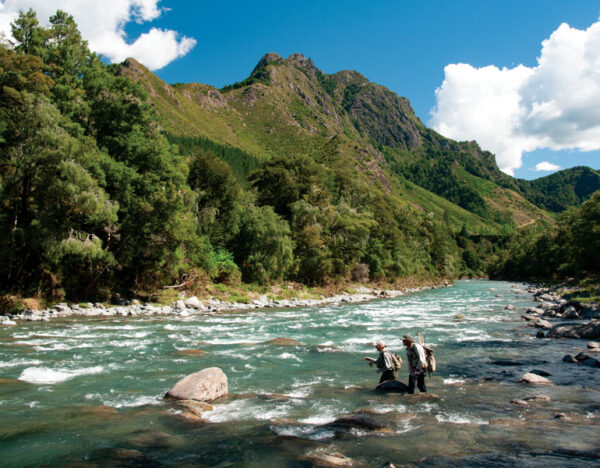
Who this suits
This form of freshwater fishing suits:
- Beginners
- Families and children
- Older people
- Casual or occasional fishers
- Travellers passing through
Many people fish this way their entire lives without moving on to more specialised disciplines.
Learning and local knowledge
Some people choose to improve their skills by connecting with local fishing clubs, where knowledge about conditions, safety, and techniques is shared.
One national body representing freshwater angling interests is the NZ Federation of Freshwater Anglers (NZFFA). They maintain a list of affiliated clubs around the country, which can be a useful starting point for finding organised groups and learning opportunities. See: https://nzffa.com/affiliates/
It’s also worth noting that some clubs and informal groups choose not to affiliate, and a simple local web search will often turn up additional options nearby. Many people continue to fish independently.