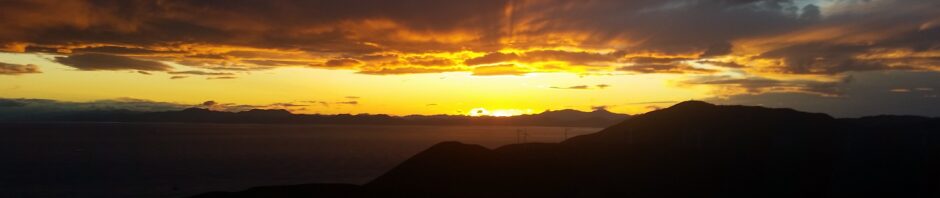
Outdoor photography is the practice of using public spaces to observe, record, and interpret landscapes, wildlife, weather, and human presence through a camera or phone. In New Zealand it commonly involves short walks, roadside stops, coastal margins, riverbanks, forest edges, and viewpoints rather than remote or technical terrain.
For many people, photography is their primary reason for being outdoors, not something added on to another activity.
How people actually do it
Most outdoor photography is:
- Opportunistic rather than planned
- Done in short time windows
- Shaped by light, weather, and season
- Often solitary or quiet
People frequently stop briefly, return repeatedly to the same place, or build routines around familiar locations rather than travelling long distances.
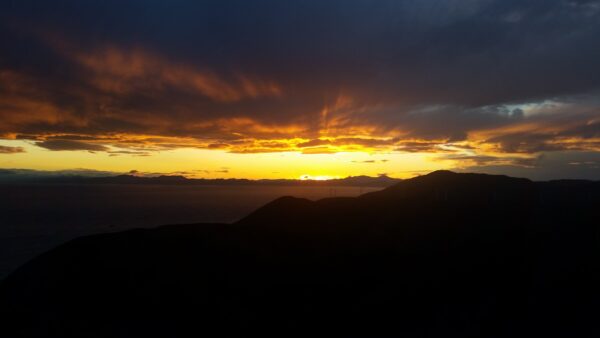
Where it happens
Outdoor photography commonly takes place:
- Along coastlines and harbours
- Beside rivers and lakes
- In forest parks and reserves
- From roadside viewpoints and lookouts
- Near town edges and access points
These are places where arrival matters more than endurance, and where access determines whether observation is possible at all.
Access realities
Photography depends heavily on:
- Legal roadside stopping
- Coastal and river margin access
- Walkable tracks and viewpoints
- Parking that allows short visits
- The ability to return at different times of day or year
When access is restricted, photography often becomes impossible even though the place itself remains visible from afar.
Shared use
Photography areas are commonly shared with:
- Walkers and runners
- Fishers and bird-watchers
- Campers and families
- Locals using familiar routes
Good practice is generally informal: staying aware of others, avoiding obstruction, and respecting privacy and space.
Who this suits
Outdoor photography suits:
- People of all ages and fitness levels
- Those rebuilding confidence outdoors
- People with limited time or mobility
- Visitors and locals alike
- Anyone who prefers observation to exertion
For many, photography provides a reason to go outside when other activities no longer appeal or are no longer possible.
“Some photographers later explore low-light or night photography, which brings additional considerations around location, access, and safety.”
Learning and community
Some people photograph entirely alone; others learn through clubs, informal groups, or online communities. You might even consider night-school options. Skills are often shared locally - about light, seasonal change, weather patterns, and safe access - rather than through formal instruction.
Participation is flexible, and people commonly move between casual and more focused involvement over time.