
Water quality matters to recreation and communities alike
Water connects everything: the places we explore, the rivers we swim in, the taps we drink from, and the landscapes that shape community life. Yet globally, access to safe drinking water remains far from universal - and even in New Zealand, where water supplies are often taken for granted, freshwater quality issues are real and growing in some places.
1. The Global Picture: Billions Still Lack Safe Drinking Water
According to the latest data from the World Health Organization (WHO) and UNICEF, around 2.1 billion people - about one in four worldwide - still lack access to safely managed drinking water, even though progress has been made in recent decades.
This challenge spans continents and affects health, education, livelihoods, and wellbeing. In many parts of the world, people depend on sources that are not reliably treated or protected, making waterborne diseases a persistent threat.
The global water crisis also underscores that water insecurity is not just about scarcity - it’s about safety, infrastructure, and sustainable management.
2. Water Quality Matters Everywhere - Including Here at Home
New Zealand generally enjoys high-quality public water supplies, but significant challenges exist beneath the surface.
Freshwater Health Trends
Nationwide monitoring shows widespread contamination:
- Two-thirds of monitored rivers and half of groundwater bores show E. coli contamination, a key indicator of faecal pollution and a direct risk to human and ecological health.
- Around half of groundwater sites in New Zealand exceeded maximum acceptable limits for E. coli or nitrate at least once between 2019 and 2024.
These figures aren’t abstract - they indicate that many waterways we swim in, fish in, and enjoy may be less healthy than we assume, and in some rural supplies even drinking water can be compromised.
Nitrate Contamination
Recent studies highlight nitrate contamination in rural drinking water:
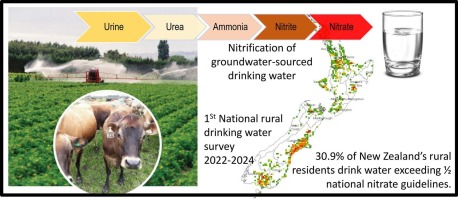
- About 31 percent of rural drinking water samples exceeded half the national acceptable value for nitrate, and around 5 percent exceeded the full limit.
- Higher nitrate levels have known links to health risks such as blue baby syndrome in infants and potential long-term health effects.
In places like Waimate and other rural communities, nitrate levels in drinking supplies have reached levels prompting health advisories.
3. Sources of Pollution: Nitrates, Sewage, Runoff and More
Although widely discussed globally in the context of water scarcity, in New Zealand the key drivers of water quality degradation include pollution sources that are often local and cumulative:
Agricultural Runoff and Nitrates
Intensive land use, particularly dairy farming and the use of nitrogen fertilisers, contributes significantly to nitrate leaching into waterways. Studies show elevated nitrates in groundwater and drinking water bores in several regions, including Canterbury, Waikato and Southland.
Microbial Contamination
E. coli and other bacteria entering waterways can result from:
- stormwater and surface runoff,
- rural effluent and animal waste,
- older septic systems, and
- wildlife and livestock near water sources.
This contamination affects both water users and ecosystem health alike.
Urban Discharges and Sewage
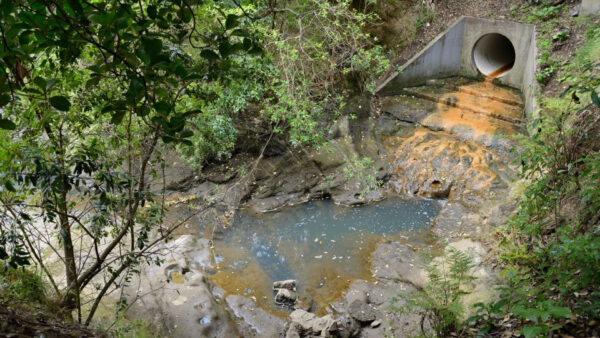
Even urban systems can contribute to contamination. Overflow events during heavy rainfall, ageing infrastructure, and pressures on treatment systems can introduce pathogens and pollutants into rivers and coastal areas - highlighting how interconnected water systems are. (See earlier coverage on wastewater and recreational water advisories.)
Self-Supplied Drinking Water: A Quiet Risk for Rural New Zealand
One aspect of water quality that receives far less public attention is the number of New Zealanders who do not receive drinking water from municipal or town supplies at all.
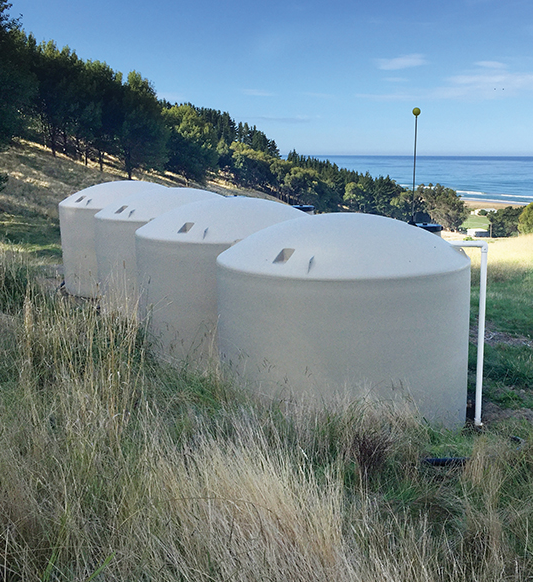
An estimated 800,000 people rely on self-supplied drinking water, including private bores, springs, roof-collected rainwater, and small community schemes. These supplies are common in rural areas and lifestyle blocks, and are often taken for granted as being clean and safe.
However, self-supplied systems are largely outside routine regulatory oversight, and testing is often infrequent or voluntary. Where problems occur, they can persist unnoticed for long periods.
Nitrates at Dangerous Levels
In recent years, testing has revealed that some self-supplied drinking water sources - particularly shallow groundwater bores in intensive farming regions - contain nitrate concentrations well above accepted health guidelines.
In at least one documented case, nitrate levels in a private drinking water supply were found to be ten times or more above the maximum acceptable value for safe drinking water. At those concentrations, water is considered unsafe for infants and potentially harmful for adults over long-term exposure.
Nitrates are colourless, odourless, and tasteless. Without testing, users may have no warning that their drinking water poses a health risk.
From a recreation and land-use perspective, this matters because:
- groundwater contamination reflects broader catchment pressures,
- private water supplies are often located near rivers, wetlands, and recreation areas, and
- people camping, hunting, or tramping may rely on untreated sources they assume are safe.
Why This Matters Beyond the Household
Self-supplied water issues are not just private matters. They highlight wider questions about:
- land-use intensity,
- cumulative nutrient loading,
- groundwater connectivity, and
- who bears responsibility when environmental limits are exceeded.
For recreation users, degraded groundwater quality often correlates with:
- declining spring flows,
- algal growth in lowland waterways,
- reduced water clarity, and
- precautionary restrictions on swimming or food gathering.
These effects tend to surface locally long before they attract national attention
4. Recreation and Risk: Why CORANZ Is Paying Attention
For CORANZ and outdoor recreation communities, water quality isn’t just an environmental statistic - it directly affects how people live and play:
- Swimming and contact recreation: Microbial contamination can make popular spots unsafe, especially during or after wet weather.
- Drinking from natural sources: Walkers, campers and hunters often rely on untreated surface water; pollution increases risk.
- Fishing and shellfishing: Water chemistry changes can affect fish health, taste, and safety.
- Campsites and access areas: Contamination issues can prompt boil water notices or restrictions, changing how and where people recreate.
Water quality events are increasingly common topics in regional water bulletins, reflecting longer-term trends rather than isolated incidents.
5. National Response and Progress
New Zealand’s water governance landscape continues to evolve as authorities and communities address these issues.
The water regulator Taumata Arowai has published a Compliance, Monitoring and Enforcement Strategy 2025–28 aimed at improving drinking water safety, including monitoring for contaminants and strengthening supplier practices.
Efforts are underway to better understand risks - for example, studies into viruses in groundwater could inform future rules for disinfection practices.
However, improvements are uneven and challenges remain, particularly for rural supplies and smaller community-level systems that are not centrally managed.
6. A Water-Aware Recreation Culture
While New Zealand’s water challenges are not as severe as those in many parts of the world where safe drinking water is lacking altogether, local water quality issues are real and affect communities directly.
For recreation users, a few practical habits can make a difference:
- Check water quality advisories before swimming or paddling, especially after heavy rain.
- Treat or filter surface water when camping or hiking.
- Support community monitoring and reporting of waterways.
- Engage in local freshwater planning processes.
These steps help ensure that recreation remains healthy, accessible, and enjoyable - whether at an urban river park or a remote backcountry stream.
7. Looking Ahead
The global context - where over 2 billion people still lack safe drinking water - reminds us that access to healthy water is a fundamental human need, not a given.
In New Zealand, the strong public awareness of the cleanliness and safety of water is a strength - but it also raises expectations for vigilance, continued investment, and shared stewardship.
Water quality issues such as nitrates, microbial contamination, and infrastructure impacts are not abstract concerns when they affect our rivers, lakes, and drinking supplies. For recreationists and communities, staying informed and advocating for transparent monitoring and strong freshwater management is not only responsible - it’s essential to sustaining the experiences and places we value.
Prepared with editorial assistance and reviewed prior to publication.
We await to see how important this issues becomes at election time this year in NZ. I can see the neoliberals wanting to privatize it so that they can export it.