
Guest Post by Dave Rhodes
Lake Rotomanu’s gold clam problem is not just a local issue. It is a reminder of how quickly freshwater biosecurity failures become expensive - and how limited the options are once an invasive species establishes.
Taranaki Regional Council has been told eradication could cost up to $1.3 million, with no guarantee of success. Faced with that figure, councillors are seeking funding partners rather than proceeding alone.
That decision is understandable.
But it also highlights a wider truth: prevention is cheaper than cure.
Once Established, Choices Shrink
Freshwater gold clams (Corbicula fluminea):
- Reproduce rapidly.
- Spread easily via wet boats and equipment.
- Compete with native species.
- Clog intake pipes and infrastructure.
Treatment options are blunt and costly. Copper dosing, draining lakes, or salinity treatments all carry ecological risk and logistical complexity. None offer certainty.
By contrast, stopping spread between waterways is straightforward - if done consistently.
Limits before tools.
Recreation: Risk and Responsibility
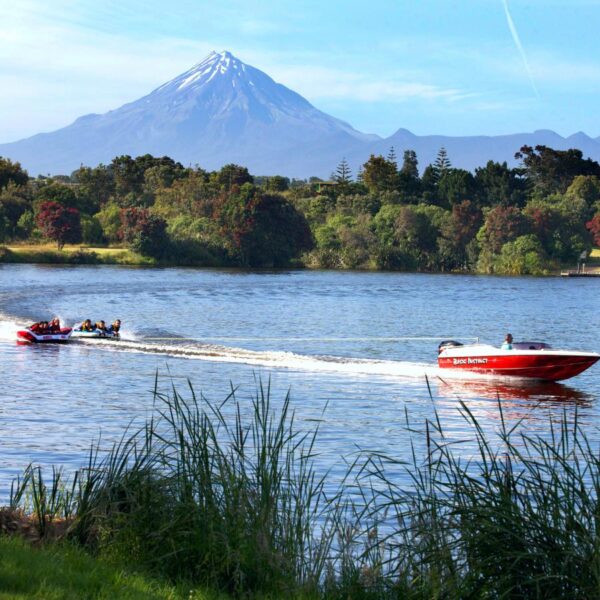
Motorised boats pose the greatest risk of spreading the clam, which is why Lake Rotomanu remains closed to them. Other recreational users - kayakers, swimmers, fishers - can still access the lake, but must follow strict Check, Clean, Dry protocols.
That balance matters.
Recreation is both:
- A potential vector.
- A potential safeguard.
Public resource, public responsibility.
If invasive species spread through carelessness, restrictions follow. If users demonstrate discipline, access remains defensible.
The Bigger Picture
The real concern is not a single lake.
If gold clams reach major river systems, hydro intakes or irrigation infrastructure, the costs multiply rapidly. The $1.3 million estimate for one lake would look modest by comparison.
Biosecurity success is usually invisible.
Failure is highly visible - and expensive.
Once a species spreads beyond early containment, eradication often shifts from “possible” to “improbable.”
A Practical Lesson
This is not a story about blame.
It is about timing.
When invasive species are first detected, the financial cost of action looks high. When action is delayed, the ecological and economic costs escalate.
Recreational communities have a direct stake in this outcome.
Check, Clean, Dry is not symbolic compliance. It is frontline defence.
The choice is simple:
Pay early and prevent spread.
Or pay later - and manage consequences.