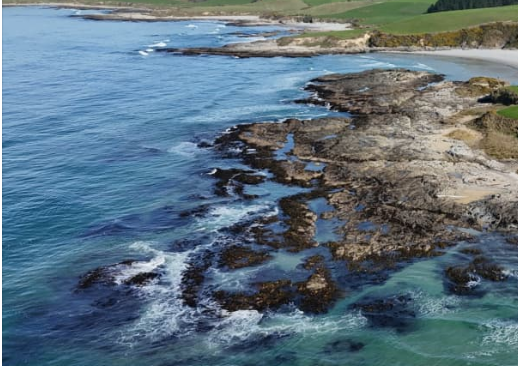
The establishment of the new Te Au Roa o Te Rakihouia marine reserve network along the Otago and South Canterbury coast introduces something new to New Zealand’s marine conservation. Rather than being managed solely by the Department of Conservation, the reserves will be jointly governed by DOC and Kāi Tahu. The announcement has been welcomed by many, while others have questioned whether this different governance model will improve conservation outcomes or simply add another layer of administration.
It is an understandable discussion, but perhaps not the right one. The question should not be whether management rests with DOC alone, iwi alone, or a partnership between the two. The more important question is whether the chosen model delivers healthier marine ecosystems, protects biodiversity, and maintains public confidence in the stewardship of New Zealand’s natural heritage.
The new reserve network has much to commend it. It has taken more than thirteen years to develop, involved extensive consultation with iwi, recreational and commercial fishing interests, scientists, tourism operators and local communities, and protects around four percent of the Otago coastal marine area while leaving the vast majority available for recreational use. Those are encouraging foundations for any conservation initiative.
However, governance arrangements should never become an end in themselves. Whatever structure is adopted, it should be transparent, accountable and open to independent evaluation. Conservation success should be measured by evidence: healthier habitats, recovering fish populations, thriving marine mammals and seabirds, and improved biodiversity. Those outcomes can and should be monitored over time and reported publicly.
Recreational users also have a legitimate interest in how these reserves are managed. Anglers, divers, kayakers and other outdoor recreationists are among the strongest advocates for healthy marine environments. They should continue to have opportunities to contribute local knowledge and practical experience alongside scientific research and mātauranga Māori. Effective conservation is strengthened when those who value the resource are part of the conversation.
CORANZ has consistently argued that public resources carry public responsibilities. That principle applies regardless of who is responsible for day-to-day management. Governance models may differ, but the standards expected of them should not. Transparency, accountability, sound science, respect for local knowledge and measurable environmental improvement should remain the benchmarks against which every conservation initiative is judged.
This is not a debate about structures or labels. It is about results. If this new partnership delivers healthier marine ecosystems while maintaining public confidence and recreational opportunities, it will deserve recognition. If it does not, then the governance model itself should be open to review. In conservation, success is measured by the health of the environment, not by the organisational chart.