
by Frank Henry
The melodramatic title screamed “Secret Weapon in War on Hedgehogs, under the subtitle “Conservation” to an article written by “Stuff” journalist Amber Allot.
High technology is being used against the small creatures termed a pest by the Pest Free Banks Peninsula organisation.
Drones equipped with thermal cameras under cover of darkness fly backwards and forwards along the Kaitorete Spit which separates Lake Ellesmere from the sea.
Team lead Tim Sjoberg said while hedgehogs may be cute, they were “a huge issue”.
“They eat seeds and seedlings --they really gobble up invertebrates, they really hammer the beetles and the flies and all the insects - (and have) a real appetite for the lizards and geckos and birds as well.”
This New Zealand fervour against hedgehogs is in sharp contrast to the UK. There the fervour is to protect hedgehogs.
Hedgehogs are protected in the UK under the Wildlife and Countryside Act 1981 and the Wild Mammals Protection Act 1996, making it illegal to kill or cruelly treat them.
Helping Hedgehogs
The British Hedgehog Preservation Society is a registered UK charity founded in 1982 “dedicated to helping and protecting hedgehogs native to the UK”.
Britain’s first National Hedgehog Conservation Strategy was been published in 2024 by People’s Trust for Endangered Species (PTES) and The British Hedgehog Preservation Society (BHPS).
What a pity the journalist did not research other perspectives on hedgehogs, to acknowledge the importance of balance to good journalism?
Sure, hedgehogs are native to the UK but not New Zealand.
Should that matter?
After all humans are self introduced to New Zealand and brought a host of creatures from rats to dogs with the first wave of migrants and sheep, cattle, potatoes and petunias with the 19th century migrants.
Really it boils down to a colossal misunderstanding, bordering on ignorance, of predator/prey relationships.
Within the New Zealand indigenous ecosystem and food chain, predators are active. The falcon preys on tuis and bellbirds, kiwis prey on worms and kingfish prey on kahawai.
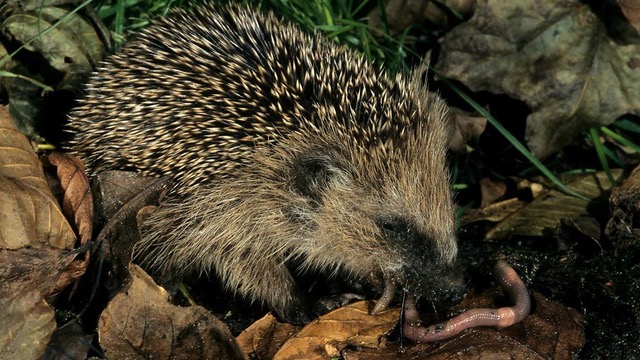
Yes Mr Sjoberg is quite correct. Hedgehogs according to UK information, eat beetles, earwigs, caterpillars, earthworms, millipedes and fly larvae.
He claims they eat birds. UK sources cite them eating bird’s eggs but how many birds nest on the ground?
Biological Control?
There’s a strong case to regard hedgehogs as biological control eating fly larvae and caterpillars. Eating seeds is a way of seed distribution.
But Nature knows best and it is only when Man ignorantly intervenes, that predator prey relationships and food chains get disrupted with side effects.
But then predator prey relationships are basically biological control.
The New Zealand zeal against predators is misplaced.
Predators are almost without exception, beneficial most wildlife biologists say. Typical is this type of comment:- “Predators are essential for maintaining healthy ecosystems by regulating prey populations, preventing habitat degradation, and boosting biodiversity. They remove sick animals, control smaller predators, and facilitate nutrient cycling, ultimately preventing ecosystem collapse. Their presence sustains a natural, balanced environment.”
The war against hedgehogs near Banks Peninsula needs scrutiny to test both its integrity and credibility.
Is it time for a change in the conservation conversation to a serious discussion of the important value of predators?
This an enlightened article. Well done on a very misunderstood subject, predators..
Any “ecosystem” is an intricate system of relationships and interactions based on the need for every creature to eat and reproduce. These (at times) complex interactions are called food webs. Predators are an important one of many parts to living, breathing Nature out there.
As we tramp the trail, cast a fly into the river, or go for a hunt, all around the environment’s organisms and creatures feed and often prey to simply exist. Predators kill to eat but one things for sure, they don’t wantonly kill.
Only Man does.
I regularly take in hoglets each year – and this is about that time of year when folks bring them to me. Last year’s all were released safely back into the wild in an area free from poisons and traps owned by more enlightened farmers. While here with me they have the run of the vege garden keeping all manner of nasties at bay A low fence around the perimeter keeps them here until they are ready for their permanent home – they should weigh at least 1kg to stand a chance.
Should you ever want to care for a hoglet over winter, they make excellent pets and are easily tamed. Never give them milk though it gives them the runs. Dog food is fine. PS they have razor sharp teeth but due to very poor eyesight like to nibble things to discover what they are – they can draw blood easily – but it’s not malicious it’s just their way of sensing their environment.
Me with my hedgehog Bertie! One very confused dog@!!
NZ’s paranoia about pests is not only stupid, it is costly to the tune of millions of dollars. Hedgehogs are being maligned. they do a good job around gardens and in fact everywhere keeping snails, slugs, flies etc down to reasonable numbers. The writer is quite correct.
Possums are on the pest list but they’re not a pest but a valuable resource in both meat and fur. But government wastes $3 m a 1080 drop to try to get rid of them. Again more waste, more ecoogical destruction with 1080, originally developed as an insecticide.
I saw the article and Conservation Minister Potaka announced $5.5 million to Predator Free Wellington. Potaka has been a very mediocre Conservation Minister in my view.
He is hooked into the pest phobia.
Pity he wouldn’t pay more attention to his inept Department of Conservation.
I’d just about calmed down from learning that helicopters are being used to drop Pindone on the 300 ha. Kaitorete Spit to kill rabbits when I now read they’re using drones in their latest absurd war on anything that moves – in this case hedgehogs.
For goodness’ sake, are these decision-makers clinically deranged or what? At this rate look out for tanks and light bombers.
To describe the “Stuff” writer Amber Allot as a journalist is stretching credibility.
Hedgehogs are becoming an endangered species in Britain because badgers have been given blanket protection and are breeding out of control causing massive damage to the countryside. There has to be balance in nature but, as usual, whenever so called “conservationists” get involved they end up making a hash of it.
Sign the petition please. https://peoplesinquiry.nz/
It would seem that there is very little credibility in the Stuff article, waging a war on Hedgehogs is a blatant waste of money that could be better used for legitimate environmental issues.
Possums compete for similar nooks and crannies as those favoured by some of our indigenous bird species. Videos and pics of possums poking around in these spots .. and interactions with indigenous birds while doing so .. has led to them being accused of eating birds and birds eggs .. despite an almost complete lack of real evidence of them actually doing so, on any scale (including stomach contents analysis, or similar behaviours undertaken by Brushtail Possums in their native Australia).
This is on top of the poor ole possum being vilified for spreading TB (which again, there is little evidence of .. most TB spread happens in the back of a Truck).
Stomach contents analysis of hedgehogs has, on the other hand, revealed significant predation on native insects, lizards etc?