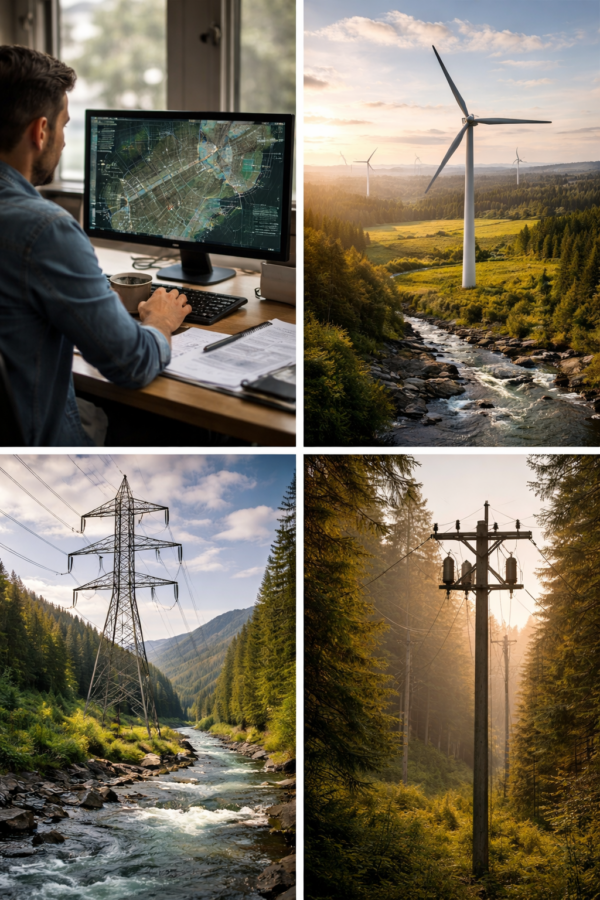
Transpower has told Parliament it will likely need to use the Public Works Act more often to expand the national grid.
Electricity demand is forecast to rise more than 60 percent by 2050. Transmission corridors will need upgrading. New generation must connect to the system. Infrastructure matters.
But so does how we build it.
The Public Works Amendment Bill aims to streamline land acquisition and compensation. It shortens timelines. It narrows appeal pathways. It increases executive efficiency.
This really matters.
The Public Works Act allows compulsory acquisition of land. That is one of the strongest powers the state can exercise. Once land is taken, it rarely returns.

Speed is attractive. Due process is slower by design.
When reform tilts the balance toward executive power and away from independent oversight, caution is required. Infrastructure projects operate on decades-long footprints. The legal framework governing them will outlast the Ministers promoting them.
Compulsory acquisition is described as a “last resort.” That is reassuring language. But legislation must be assessed on how it will function under pressure, not how it is framed during consultation.
With an “unprecedented” 30-year build programme ahead, frequency of use will matter. If last resort becomes routine, landowner confidence erodes.
This is not anti-infrastructure. The grid is critical national infrastructure. Electrification, industry, homes and rural communities depend on it.
But transmission corridors cross rivers, high country, farmland and recreational landscapes. They affect access routes, visual character and ecological systems.
Infrastructure must coexist with ecological limits.
The bill also alters what the Environment Court may consider when landowners appeal acquisition orders. Limiting judicial scrutiny in favour of pace shifts the constitutional balance. That shift deserves careful thought.
There are also specific sensitivities around Māori land and Treaty settlement redress. Compulsory acquisition in those contexts carries historical weight. Explicit protections should not be optional.
New Zealand has long relied on negotiation as the primary pathway. Transpower says the significant majority of access will remain commercially negotiated. That is appropriate. Long-term relationships with landowners underpin the resilience of the grid itself.
Voluntary agreement builds trust. Compulsion strains it.
Infrastructure delivery does not need theatre. It needs durability. Rushed frameworks often create conflict that delays projects more than consultation ever would.
Efficiency is not the same as legitimacy.
The question is not whether we build. We must.
The question is whether we preserve procedural fairness while doing so.
The Public Works Act has not been significantly rewritten since the 1980s. Reform may well be overdue. But rewriting is different from narrowing.
The land beneath our infrastructure is not abstract. It is farms, wāhi tapu, riversides and access corridors used by generations.
Public purpose must remain demonstrable and proportionate.
The grid will expand. That is certain.
How we expand it will define the balance between national need and private rights for decades to come.
That balance should be adjusted carefully, not casually.