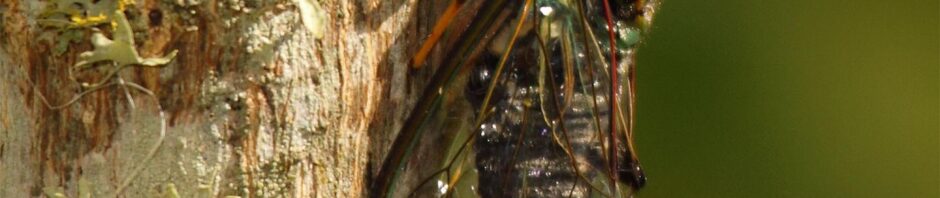
Step into lowland bush or sit quietly beside a river in February and you will hear it before you see anything move.
That high, sustained buzz - sometimes gentle, sometimes overwhelming - is the unmistakable soundtrack of a New Zealand summer.
Cicadas are not just background noise. They are part of the seasonal rhythm that outdoor recreation in this country is built around.
For anglers, trampers, hunters, campers and anyone who spends time beyond the driveway, the cicada call signals something simple: warmth, light and life above ground.
Years Underground for Two Weeks in the Sun
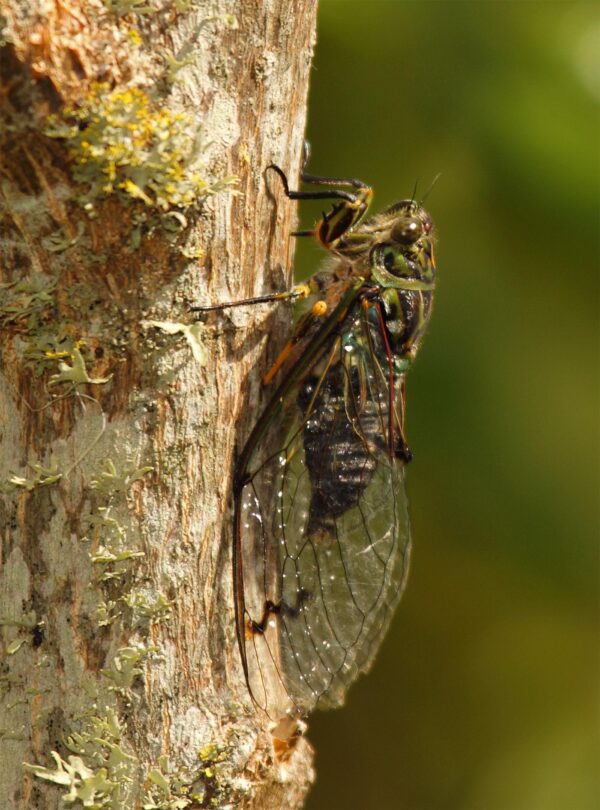
New Zealand has more than 40 species of cicada, many found nowhere else.
Most spend years underground as nymphs, feeding on plant roots and developing slowly. Then, in the warmth of summer, they emerge, shed their shells and begin a brief adult life focused almost entirely on reproduction.
The males sing. Loudly.
The sound comes from a specialised structure called a tymbal - effectively a built-in drum that vibrates rapidly to produce the familiar buzz. It is a remarkable piece of biological engineering.
For a creature that lives only a few weeks above ground, the noise is impressive.
Loud - But Not a Crisis
Some studies suggest cicada calls can exceed 80 decibels at close range. That sits in the same broad category as power tools or loud traffic.
In practice, the risk to hearing outdoors is low.
Sound disperses quickly in open air. Cicadas are rarely pressed against an ear for prolonged periods. For most people, the effect is irritation rather than injury.
Safety matters. But proportionate response matters too.
Summer does not require ear protection.
Seasonal Signals Matter
Outdoor recreation depends on reading landscape signals.
River levels after rain.
Wind patterns across a lake.
Snow conditions in the high country.
Cicadas are another signal.
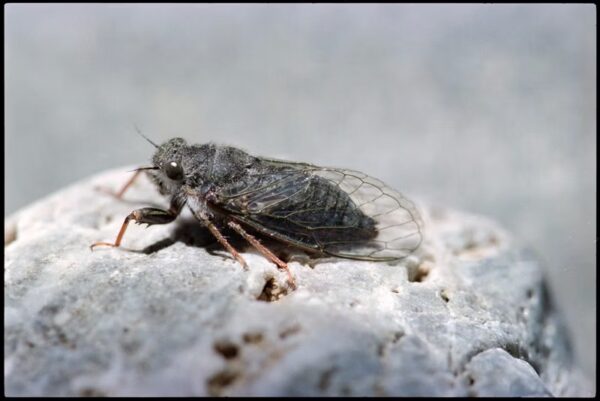
Their emergence reflects warmth and moisture patterns. Some summers feel louder than others. Rainfall timing, soil moisture and temperature all influence how many emerge and when.
No two seasons are identical.
Understanding that variability deepens connection. It shifts the sound from nuisance to indicator.
Competence is not only physical. It is observational.
The Soundscape Is Part of Ecological Integrity
When we talk about protecting rivers and forests, we often think visually - water clarity, native canopy, erosion control.
But landscapes are acoustic as well as visual.
The chorus of cicadas, the call of a tūī, the rush of wind through mānuka - these form the lived experience of being outdoors.
Ecological integrity includes these seasonal cycles.
If bush margins shrink, if habitat fragments, the soundscape changes. That matters.
Rivers first. Forests matter too.
Literacy Builds Stewardship
Outdoor New Zealand has always valued practical knowledge.
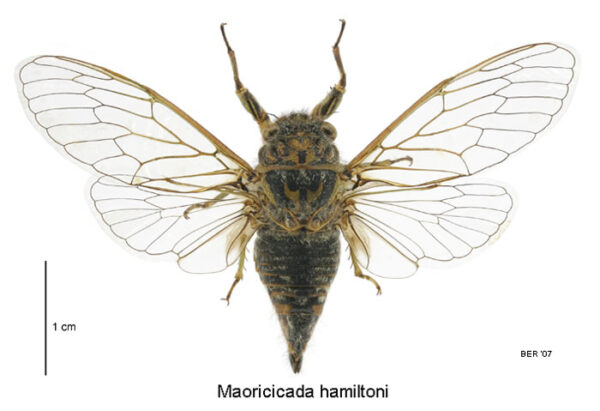
Knowing the difference between species.
Understanding when trout rise to cicadas.
Recognising the shed shells on tree trunks as evidence of emergence.
That literacy builds care.
A child who understands that cicadas spend years underground before surfacing for two weeks is less likely to treat them as disposable noise.
Connection fosters responsibility.
Public resource, public responsibility.
A Reminder, Not a Warning
For some, cicadas are the “drill in the ear” of summer. For others, they are reassurance that the season has arrived.
Both responses are human.
What matters is perspective.
Cicadas are temporary. By March their numbers thin. The bush quietens. The cycle resets underground.
Their sound is not a threat. It is a reminder.
Outdoor recreation is grounded in seasonal awareness. It depends on recognising rhythms rather than resisting them.
The buzz in the trees is one of those rhythms.
It belongs there.
And so do we.
Some have asked whether 1080 could be influencing cicada numbers. It is worth clarifying that 1080 (sodium fluoroacetate) was developed in the early 20th century as a vertebrate poison and is primarily used in New Zealand for mammal pest control. It is not designed or deployed as an insecticide, and insects are generally far less susceptible to it than mammals.
That said, long-term invertebrate monitoring around pest-control operations is limited. Seasonal variation in cicada numbers can also reflect soil moisture, temperature, rainfall timing and predator levels.
As with many ecological questions, careful observation and transparent data matter. If members have consistent local observations over time, those records are valuable.
I must disagree strongly here. Following 1080 drops the forest falls silent. All bird life and insect life is gone – for months.
Whilst it may return in time, drop 1080 when the cicadas are out and the effects will be catastrophic.
Sorry Graeme Wills, you’ve been misinformed, not surprisingly because DoC and OSPRI put a lot of hype and spin when they advocate for 1080.
Science Learning Hub says 1927 – “Monofluoroacetate is patented in Germany as an insecticide/moth repellent. ” It is an indiscrimate insecticide which kills antghing that ingests it.
The research by noted entomologists Mike Meads and Peter Notman looked at the effects of aerial 1080 on invertebrate organisms in the forest floor. The findings suggested that the poisoning had a detrimental impact on invertebrate organisms, crucial for the functioning of the forest ecosystem.
Cicadas spend severakl years in the soil in larval stage. Any insecticide spread will kill many.
Jack, you should’ve added that DoC “refused” to accept Mike Meads findings and effectively “buried” his research. Meads was an eminent entomologist – a true expert in his field.