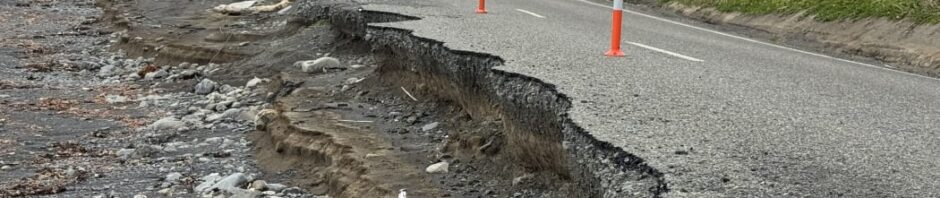
Prompted by this article from RNZ, John Davey writes
Ngawi and the Fragility of Getting There
The road to Ngawi has always been vulnerable. Anyone familiar with the coast beyond Lake Ferry knows this. The sea presses close, storms cut hard, and the margin for error is slim. None of this is new.
What is new is the sense of urgency now surrounding Cape Palliser Road - prompted by recent storm damage and the prospect that maintaining the route may become increasingly difficult.
That urgency deserves attention, not because the road is suddenly at risk, but because it highlights something easily overlooked: outdoor access often depends on infrastructure that quietly endures until it doesn’t.
More than a “tourist route”
Cape Palliser Road is frequently described as a tourist route. That description is incomplete.
The road serves:
- residents of Ngawi
- fishers and campers
- people visiting the seal colony and coastline
- those seeking a remote, uncurated coastal experience
For many, the road is not a convenience but the only practical means of access. Without it, the coastline beyond becomes effectively closed to all but a few.
Access that feels permanent - until it isn’t
New Zealanders often assume that access, once established, will remain. Roads are built. They are maintained. They become part of the landscape.
But coastal roads sit on borrowed time.
Rising seas, stronger storms, and ongoing erosion are not abstract risks. They are active forces already reshaping coastlines. What has changed is not the exposure of the Cape Palliser coast, but the frequency and severity of events testing it.
When access fails, it rarely fails quietly.
Why this matters for recreation
For CORANZ, the concern is not simply transport resilience. It is the loss of access to outdoor places that are otherwise public and open.
When a road goes:
- walking, fishing, and camping opportunities disappear
- use concentrates elsewhere, increasing pressure
- remote places become exclusive by default
This is access lost not by decision, but by neglect or delay.
Planning for access, not just repair
The current debate around Cape Palliser Road centres on funding, responsibility, and repair. These are necessary discussions - but they should also prompt a broader question:
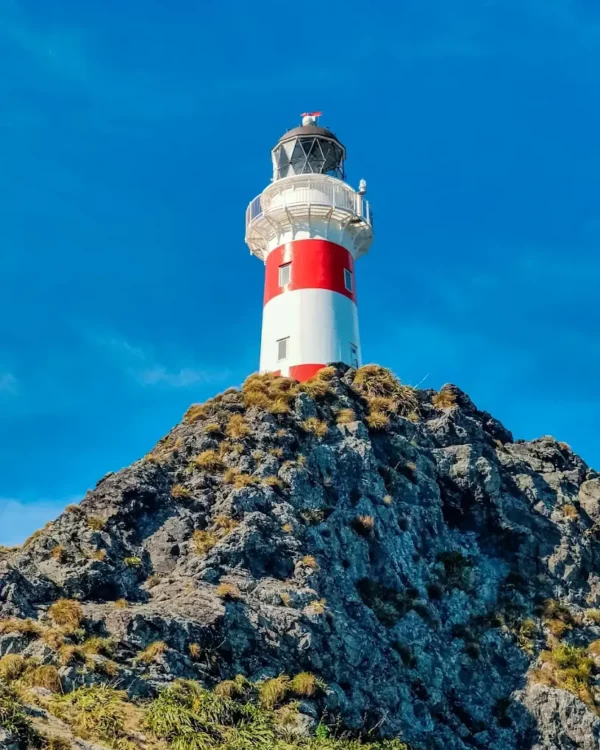
How do we plan for long-term access to coastal places in a changing climate?
This is not a question unique to Ngawi. Similar pressures exist around the country, particularly where:
- roads follow exposed coastlines
- small councils carry disproportionate responsibility
- access supports recreation as well as community life
Treating each case as an isolated problem risks repeating the same conversation, again and again.
Ordinary places matter
Ngawi is not Queenstown. Cape Palliser is not a marquee destination. That is precisely why the road matters.
Much of New Zealand’s outdoor life happens in places that are:
- modest
- windswept
- lightly serviced
- deeply familiar
When access to these places erodes, something important is lost - not spectacularly, but steadily.
A moment worth noticing
The current attention on Cape Palliser Road should be seen as more than a local issue. It is a reminder that access requires foresight, particularly where nature does not negotiate.
If we value the ability to reach and enjoy remote coastal places, we must be willing to think beyond short-term fixes and recognise that access infrastructure is as vulnerable as the landscapes it serves.
Because once the road is gone, the debate is over.