What Murky Water Means for Recreation
Guest Post by Dave Rhodes
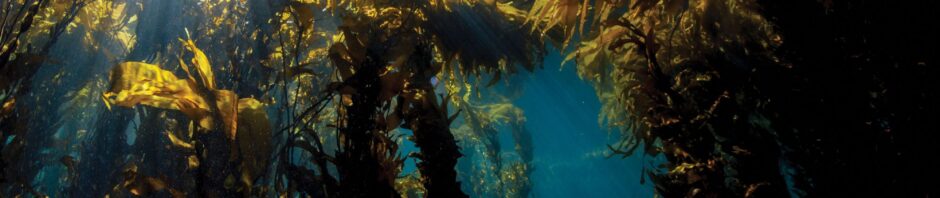
New research reported by RNZ has given a name to something many coastal users have noticed for years: “darkwaves” - periods when sediment and suspended material reduce light reaching the seabed, sometimes for days or weeks at a time.
While the term may be new, the effects are not.
For those who gather shellfish, fish from the shore, or simply enjoy clear coastal water, darkwaves describe a growing problem: marine environments that look intact from the surface, but are quietly losing productivity below.
Light matters more than we think
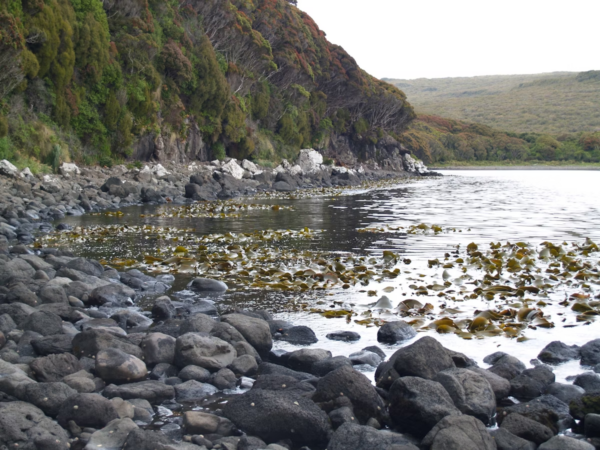
Light drives coastal ecosystems. Kelp forests, seagrass beds, and algae depend on it, and these in turn support shellfish, juvenile fish, and the wider food web.
When light is cut off:
- kelp growth slows or fails
- seagrass struggles to recover
- shellfish recruitment declines
- fish behaviour and feeding patterns change
These impacts are not always immediate or dramatic. They accumulate.
Shellfish gathering and quiet depletion
Shellfish beds sit at the frontline of these changes. Reduced light and increased sediment can smother juvenile shellfish or slow growth, making beds more vulnerable to harvesting pressure.
To the casual observer, legal gathering may appear sustainable. But when habitat quality declines at the same time as harvesting continues, the margin for recovery disappears.
This is not about individual behaviour. It is about cumulative pressure layered onto degraded conditions.
Fishing in changing water
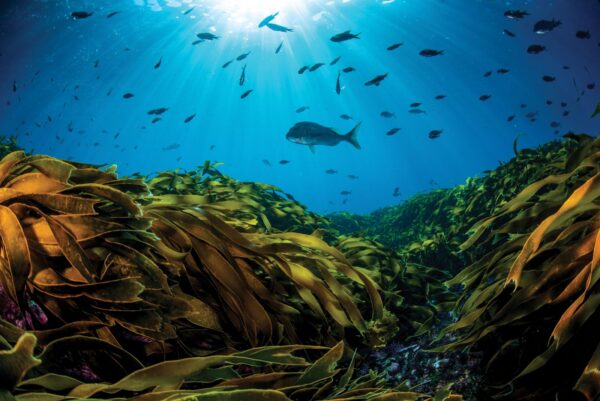
Recreational fishers are also affected. Murky water alters fish distribution and feeding, often pushing species into deeper or less accessible areas. Inshore fishing can become less predictable, and traditional spots lose their reliability.
Over time, this leads to a familiar pattern: people move, pressure shifts elsewhere, and the cycle repeats.
Again, nothing illegal occurs. The loss is gradual and widely shared.
Seaweed harvesting: the overlooked pressure
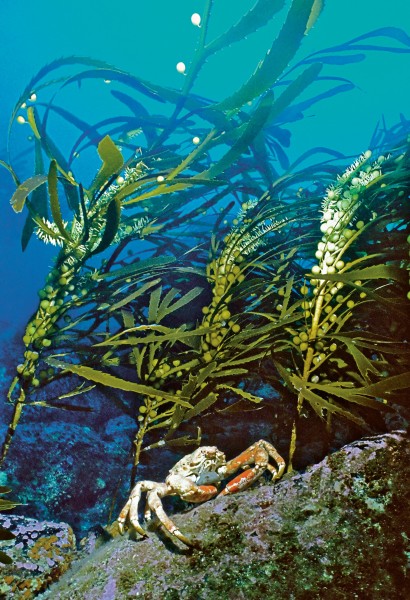
Seaweed harvesting is less visible, but increasingly relevant. Kelp and other macroalgae are not just harvestable resources; they are habitat-formers.
Removing seaweed from already light-stressed environments compounds the problem:
- less structure for juvenile fish
- reduced shelter for invertebrates
- slower recovery after storms or sediment events
In some areas, harvesting may be small-scale. In others, it adds yet another layer of pressure to ecosystems already struggling to function.
Land, water, and consequence
The research highlights what many have long suspected: what happens on land does not stay on land. Sediment from forestry, farming, earthworks, and storm-driven runoff ends up in the sea, often far from its source.
As extreme weather events become more frequent, darkwaves may become more common - not as anomalies, but as part of the new normal.
This raises an uncomfortable question: are current rules, limits, and expectations still fit for purpose?
This matters for recreation
For CORANZ, the concern is not abstract ecology. It is the loss of ordinary outdoor experience.
When shellfish beds thin out, fishing becomes unreliable, and coastal waters lose clarity, people disengage. Access remains, but enjoyment declines. Over time, places fall out of use not because they are closed, but because they no longer offer what they once did.
That is access lost by attrition.
A need for joined-up thinking
Darkwaves remind us that marine management cannot be separated from land use, and that recreational activities cannot be managed in isolation from habitat condition.
Shellfish gathering, fishing, and seaweed harvesting may each be lawful on their own. But when layered onto declining environmental quality, their combined impact can be far greater than intended.
A closing reflection
The sea does not fail all at once. It dims.
Darkwaves are a warning sign - not just for scientists, but for anyone who values New Zealand’s coast as a place to gather food, spend time, or simply be present.
If we want these activities to remain part of our shared outdoor life, we must pay attention not only to what is taken, but to what the sea can still sustain.
Kelp harvesting is already on the agenda of some exploitive companies. Regulations parallel to selective logging are quickly need to avoid kelp clear-felling with all the consequences predicted in the article. Well done Dave and CORANZ.