
How Hydro Operations Shape River Temperature, Pollution, and Public Use
Post by CORANZ Member
Hydroelectricity is often described as clean, renewable, and benign. In carbon terms, that is largely true. But carbon is not the only measure that matters - especially for the rivers and lakes New Zealanders swim in, fish, paddle, and camp beside.
The way hydro schemes store and release water has profound effects on river temperature, pollution concentrations, nitrate impacts, and ultimately whether waterways remain healthy and usable by the public. These effects are real, measurable, and too often overlooked in debates that focus narrowly on electricity prices and market efficiency.

Flow is the foundation of river health
River flow is not just about how much water moves downstream. It controls:
- temperature stability
- dilution of contaminants
- oxygen levels
- algal growth
- habitat availability
When flows are reduced or destabilised, everything else follows.
Hydro operations can alter flows in three main ways:
- Holding water back to optimise storage or prices
- Releasing water in pulses (hydropeaking)
- Flattening natural seasonal patterns
Each of these has consequences.
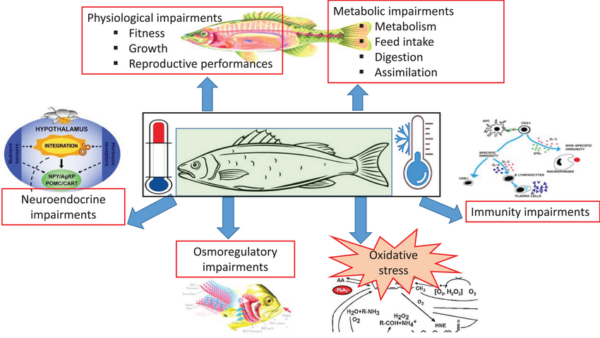
Temperature: the invisible stressor
Water temperature is one of the most critical - and least visible - determinants of river health.
When river flows drop:
- water warms faster, especially in summer
- shallow margins heat rapidly
- thermal refuges shrink or disappear
- fish experience chronic stress
Even small temperature increases can:
- reduce trout feeding efficiency
- disrupt spawning cues
- increase disease susceptibility
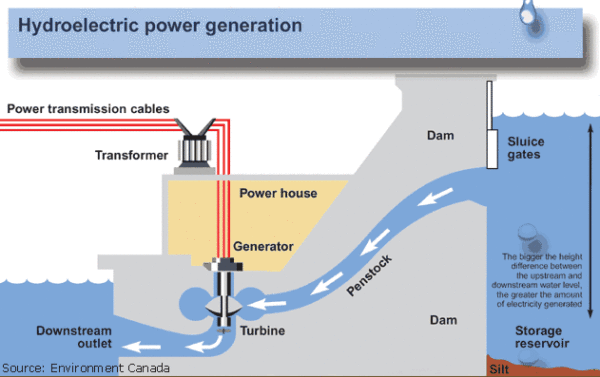
Hydro systems sometimes release cold water from deep lakes, which can briefly lower downstream temperatures. But these effects are often short-lived and followed by extended periods of low flow and warming. From an ecological perspective, stable base flows matter far more than occasional cold pulses.
Temperature stress also affects recreation directly. Warm, sluggish rivers are less appealing for swimming and become increasingly associated with health warnings.
Pollution: concentration is the key
Most pollution is regulated by concentration, not total load. That distinction matters.
When flows are reduced:
- the same discharge enters less water
- concentrations rise
- impacts intensify
This applies to:
- wastewater outfalls
- stormwater
- agricultural runoff
- industrial discharges
A river that meets standards at normal flow can breach them during low-flow periods - without any increase in pollution input. Hydro-related flow reductions can therefore turn “acceptable” discharges into harmful ones.
This is not hypothetical. It is a known and predictable outcome of reduced dilution capacity.
Nitrates: flow as a tipping point
Nitrate impacts are particularly sensitive to flow conditions.
Lower flows mean:
- higher nitrate concentrations
- longer residence time in warm water
- increased algal and periphyton growth
As concentrations rise:
- oxygen levels drop overnight
- invertebrate communities simplify
- fish growth and survival decline
In many farmed catchments, rivers sit close to ecological thresholds. Hydro-induced low flows can be the factor that tips them from marginal to degraded.
This matters because nitrate toxicity is not just about how much nitrogen enters a river, but how much water is available to absorb and process it.
Variability makes everything worse
Hydro does not only reduce flows - it often destabilises them.
Hydropeaking causes:
- rapid daily rises and falls
- bank erosion
- stranding of fish and invertebrates
- repeated ecological shock
From a water quality perspective, this is particularly damaging. Algal films are alternately scoured and left to regrow in warm, shallow water. Sediments are disturbed, then settle again. The river never stabilises long enough to recover.
For recreation users, this variability creates safety risks and unpredictability. A river that is safe to wade or paddle in the morning may be dangerous by afternoon.
The cumulative effect on public access
One of the most insidious impacts of hydro-driven flow change is functional loss of access.
As rivers become:
- warmer
- murkier
- slimier
- less predictable
people stop using them.
This is rarely framed as closure. Instead, it appears as:
- warning signage
- health advisories
- discouraged use
Over time, informal access points fall into disuse. Public presence declines. Arguments for maintaining access weaken.
From an access perspective, this is exclusion by attrition.
A regulatory mismatch
Electricity markets operate on:
- hourly price signals
- short-term optimisation
- competitive positioning
Rivers operate on:
- seasonal cycles
- biological thresholds
- long recovery times
Minimum flow rules often:
- rely on historic baselines
- focus on averages
- ignore short-term extremes
- fail to account for modern nutrient pressures
The result is a system where market incentives favour flexibility and scarcity, while rivers require stability and predictability.
Without strong constraints, the market always wins.
Renewable, but not neutral
None of this is an argument against hydroelectricity itself. Hydro remains a vital part of New Zealand’s energy system.
But renewable does not automatically mean benign.
Hydro schemes reshape rivers in ways that affect:
- temperature resilience
- pollution outcomes
- nitrate impacts
- ecological health
- recreation and access
These costs are rarely priced into electricity markets, yet they are paid by communities, river users, and ecosystems downstream.
The question we should be asking
When proposals arise to loosen lake level rules or increase operational flexibility, the key question should not be:
“Will this improve market efficiency?”
It should be:
“What will this do to downstream temperature, water quality, and public use?”
If those impacts are not explicitly assessed, we are simply shifting costs from power bills to rivers - and from balance sheets to the public.
Conclusion
River flow is not just an engineering variable. It is the foundation on which temperature control, pollution dilution, nitrate resilience, and recreation all depend.
Hydro operations that ignore this reality risk undermining the very waterways New Zealanders value most. Any serious conversation about electricity, water, and sustainability must put river health and public access back at the centre - not treat them as acceptable collateral.