
Guest Post by Dave Rhodes
Participation in organised sport among young people is strong through primary school years, yet the drop-off during adolescence is well established. Recent initiatives, including corporate-backed programmes and community festivals, highlight a growing effort to address this decline, particularly among girls. The assumption underpinning many of these efforts is that participation must be retained through more support, more visibility, and more opportunity. The question is whether the issue is one of insufficient provision, or whether something more structural is at play.
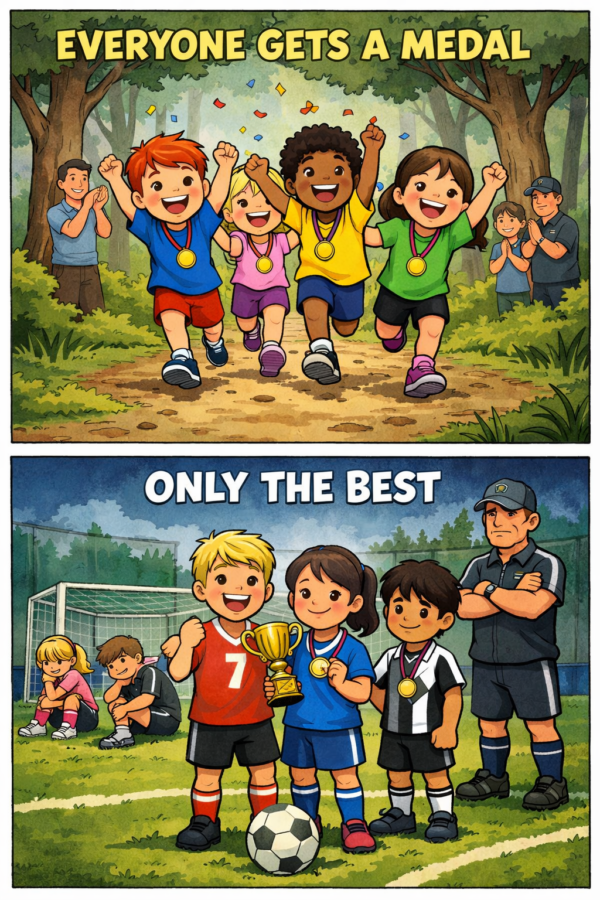
As children move into their teenage years, the nature of organised sport changes. Teams become more competitive, selection replaces inclusion, and expectations increase around performance and commitment. What was once social and flexible becomes structured and demanding. For some, this progression is welcome. For many others, it is not. The system begins to narrow participation, not expand it. Those who do not wish to follow a competitive pathway often find fewer options available to remain involved at a level that suits them.
This pattern is not limited to girls, although it is often more visible there. Boys experience similar attrition, particularly where ability, time commitment, or competing interests shift. The common factor is not a lack of interest in activity, but a mismatch between what organised sport becomes and what individuals want from it. Increasing the number of programmes or events does not necessarily address that mismatch if the underlying structure remains unchanged.
There is also a tendency to frame retention as a problem to be solved through encouragement and investment alone. While both have value, they do not alter the fundamental trajectory of organised sport as participants age. Systems designed to include young children often evolve into systems that select and filter adolescents. That transition is inherent, not accidental. Attempting to counter it without recognising its nature risks treating symptoms rather than causes.
The issue, then, is not simply how to keep young people in sport. It is whether we understand why they leave, and whether the current responses are aligned with that reality.